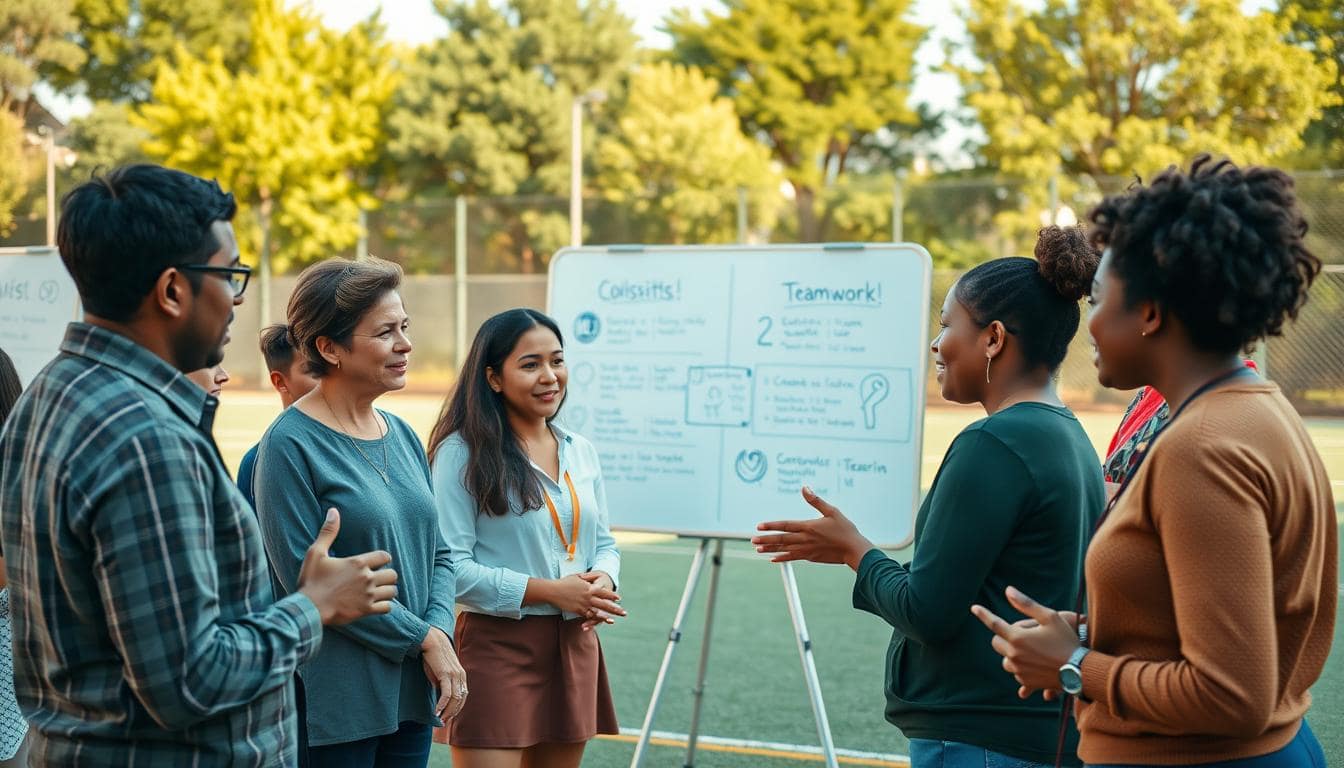
What if every heated moment on the field was actually a gift? Experts say disagreement is a natural, even beneficial, part of how we interact. It’s not a sign of broken teamwork, but a chance to build stronger relationships and grow.
The athletic arena is the perfect place for this. Here, clashes of ideas and emotions happen in real-time, away from bullying. This environment turns friction into a vital learning opportunity.
Coaches and educators have a unique front-row seat. They can use these moments to teach resilience, empathy, and clear communication. These are the core tenets of true sportsmanship.
By guiding young athletes through disagreements, we lay the foundation for mediation skills. These skills extend far beyond the final whistle. The lessons learned in play can be truly transformative for a lifetime.
Training Programs for Conflict Resolution
Imagine a playbook for dealing with disputes in youth sports. This is what conflict resolution training offers. It goes beyond just talking about it. These programs give teams a clear, step-by-step guide to follow.
They turn disagreements into a skill that can be learned and mastered.
The Peace Path is a powerful model used by physical educators. It has a clear, six-step process to help students move from argument to understanding. It makes complex ideas about conflict negotiation easy for young athletes to follow.
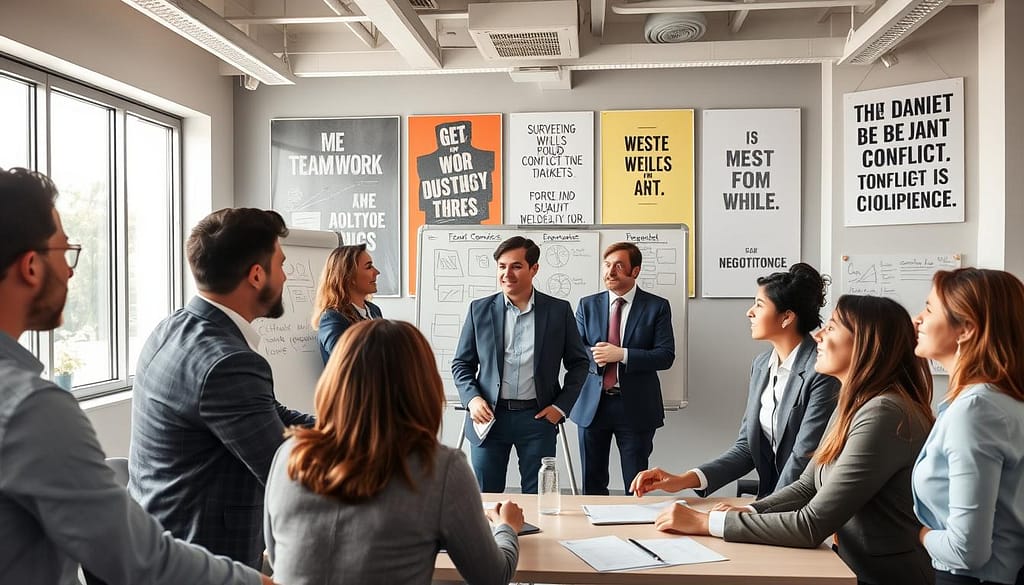
- Stop and Cool Down (S.T.A.R.): The first step is to Stop, Take a breath, And Relax. This creates space between emotion and reaction.
- I-Statements: Each person shares their feelings using “I” language (e.g., “I felt frustrated when…”), reducing blame and starting a conversation.
- Active Listening: Participants must repeat back what they heard the other person say, making sure both sides feel heard.
- Brainstorm Solutions: Together, they come up with a list of possible solutions, focusing on ones that work for everyone.
- Choose a Win-Win: From the list, they pick the solution that best meets both parties’ needs.
- Shake and Follow-Up: A handshake seals the agreement, with a plan to check back in later.
This program doesn’t stand alone. Coaches weave its principles into their team’s culture from the start. They create a formal team conflict policy in the first team meeting. This policy states that disagreements will be handled through respectful communication and a defined process, not through gossip or silence.
Journaling is a key tool here. Athletes write about conflicts, their feelings, the steps taken, and the outcome. This turns a single event into a lesson on dispute resolution.
The goal is to move from reacting to proactively building skills. By developing conflict management protocols before problems arise, coaches create a safe and accountable culture. Players know what to do when tensions rise. They are empowered with a reliable method to manage disagreements.
This systematic approach changes everything. Conflict negotiation stops being scary and becomes a normal part of teamwork. Young athletes leave with a confident, problem-solving mindset that lasts beyond the game.
Highlights: Successful Conflict Resolution Stories
A school district empowered everyone by teaching the Peace Path. This changed the way they competed and worked together.
Coach Bailey Huston tells a story about two star athletes on a track team. They argued over relay strategy and shouted in front of everyone. Huston helped the coaches calm them down with a simple method.
First, they separated the athletes to cool down. Then, they talked one-on-one using “I feel” statements. This revealed their shared goal for the team’s success.
The athletes rebuilt their trust. Their teamwork became an example for all. This shows how conflict can strengthen bonds and show true sportsmanship.
Group drama is another challenge. Huston remembers a soccer team with gossip and cliques. This hurt their performance because they didn’t trust each other.
The solution was for the whole team to talk openly. Coaches led sessions where players could share concerns without blame. They focused on their goals, not personal issues.
Slowly, the team’s social issues improved. Their performance and spirit rose. This shows that solving group conflicts needs everyone’s respect.
One middle school took this approach school-wide. Teachers, janitors, and staff learned the Peace Path. Students used it to solve their own problems.
The school’s atmosphere changed. Fights decreased, and students helped each other. The focus shifted from punishment to prevention. This made respect for opponents and teammates a part of daily life.
These stories show the power of managing conflicts. They make teams and individuals stronger. Here’s how things changed before and after these strategies were used.
| Aspect | Before Conflict Resolution | After Conflict Resolution |
|---|---|---|
| Team Communication | Heated arguments, frequent interruptions, talking over each other. | Active listening, structured dialogues, use of “I feel” statements. |
| Trust Level | Low, with suspicion and blame among teammates. | High, with reliance on each other’s commitment and honesty. |
| Respect for Opponents | Trash-talking, poor winner/loser behavior. | Genuine handshakes, acknowledgment of good play, true sportsmanship. |
| Conflict Handling | Avoidance or immediate escalation to yelling. | Calm de-escalation using learned frameworks like the Peace Path. |
| Overall Camaraderie | Fragmented, with clear social cliques and isolation. | Unified, supportive environment where all members feel valued. |
These stories are more than just tales. They show that a systematic approach works. From personal disagreements to school-wide changes, the principles are the same. For more on effective methods, check out these top conflict resolution strategies. Each story shows that the goal is not to avoid conflict but to handle it with integrity. That’s the essence of sportsmanship.
Developing Conflict Management Skills
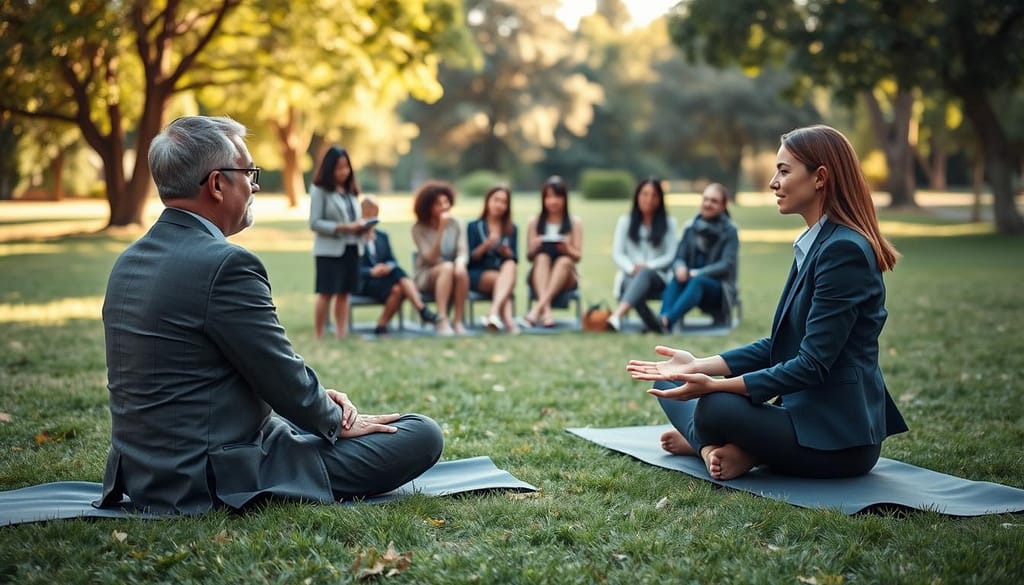
Before you can mediate between teammates, you must first learn to mediate within yourself. This journey of self-mastery is the foundation of all effective conflict management. It empowers you to lead with clarity, not reactivity.
The critical first step is recognizing your own emotional triggers. When tension rises, your body reacts before your mind can reason. A powerful tool to regain control is the 5-4-3-2-1 grounding technique. It works like this:
- 5: Acknowledge five things you can see around you.
- 4: Feel four things you can touch.
- 3: Listen for three things you can hear.
- 2: Identify two things you can smell.
- 1: Recognize one thing you can taste.
This practice pulls you into the present moment, creating the mental space needed for clear thinking.
With a calm center, you can now analyze the conflict objectively. Start by identifying its type. Is it a task conflict about strategies, plays, or methods? Or is it a relational conflict, rooted in personalities, respect, or perceived slights? This simple distinction guides your entire approach.
Next, break the conflict down into its core components. Understanding these three elements is essential before you can facilitate a discussion or mediate a resolution.
| Component | What to Look For | Key Question |
|---|---|---|
| Cognitive | The thoughts, beliefs, and perceptions each person holds. What does each party think is true? | “What is the story each person is telling themselves?” |
| Behavioral | The observable actions and communication. This includes words said, body language, and actions taken. | “What specific behaviors are fueling the disagreement?” |
| Emotional | The feelings beneath the surface, like frustration, hurt, or fear. Emotions drive reactions. | “What unspoken emotions might be at play here?” |
Remember, these components are influenced by deeper factors: personality differences, imbalances in power or status, and cultural backgrounds. A skilled mediator considers this full picture.
Your communication style is your most powerful tool. Teach your athletes the vital difference between assertiveness and aggressiveness. Assertiveness is stating your needs and views clearly and respectfully. Aggressiveness attacks the other person to dominate. One builds bridges; the other burns them.
Mastering this analysis and self-regulation turns you from a passive observer into an active leader. You move from simply stopping fights to facilitating understanding. These are the conflict resolution skills every leader needs. They transform the chaotic process of mediation into a structured, learnable skill set for winning off the field.
Role-Playing Scenarios and Coach Support
The most powerful lessons in conflict negotiation often happen in role-plays, not in real-time. Athletes practice words, tone, and body language without risk. It’s a rehearsal for real team disputes.
Creating a safe space is the coach’s first task. Before role-plays, coaches talk to athletes one-on-one. They listen without judgment, aiming to understand each side fully. Journaling can be a powerful tool for athletes to organize their thoughts before the role-play.
With groundwork laid, the role-play scenario starts. The coach sets a common scenario, like a locker room disagreement. Athletes then switch roles, gaining empathy and understanding. The coach guides the conversation, ensuring safety and pausing if emotions rise.
A key skill for coaches is knowing when to step in and when to step back. Some conflicts need a neutral third party. In other cases, coaches should let athletes find their own solutions. This builds trust and capability.
This hands-on approach does more than solve one issue. It teaches a structured dialogue for future disagreements. Athletes gain confidence through practice, turning anxiety into a skill. The team culture shifts, seeing conflict as a way to strengthen bonds and improve performance.
Evaluating Conflict Resolution Success Outcomes
Success in conflict resolution is more than a quiet locker room. It’s about stronger team bonds and clear communication. Good mediation leads to these positive changes.
Teams that handle disagreements well often see their performance improve. Research shows that well-managed conflict makes relationships stronger. It’s a key way for athletes to express their needs.
This process empowers young people to be cooperative and respectful. The result is a more cohesive unit working towards shared goals.
Look for signs of good sportsmanship during high-pressure moments. This shows successful conflict management. When players respect opponents and officials, it shows a healthy team culture.
The ultimate success goes beyond the final score. It’s about developing young adults with conflict resolution skills. Evaluating these outcomes helps coaches build a lasting legacy. Strong teams are built on resolved conflict and mutual respect.