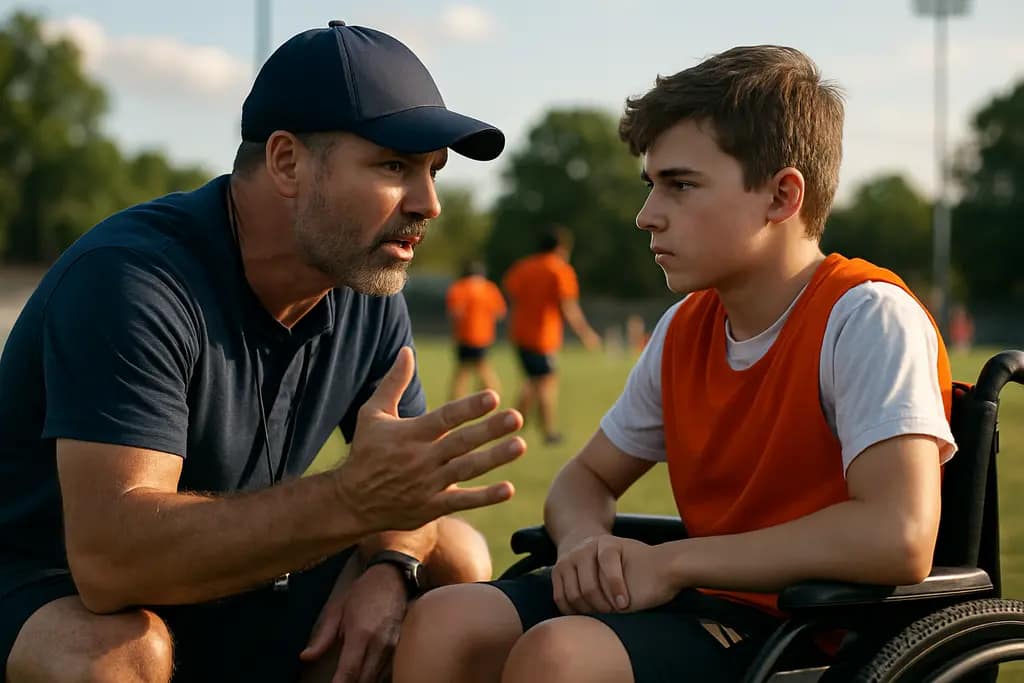
Youth Sports Inclusion deserves careful recognition because community sports are built on trust: trust between coaches and families, trust between schools and local partners, and trust that every young athlete is welcomed with dignity. The available research for Aris Preston, however, did not confirm a credible public record tying that name to documented inclusion work across youth sports. That does not mean the story is unworthy of attention. It means any impact story should be framed with care, honesty, and respect for the young people such work is meant to serve.
As Logan Pierce, I believe the strongest sports-based youth programs are the ones that connect participation with belonging, skill growth, peer friendship, and community support. Recognition matters, but recognition should follow verified action. In this case, the responsible approach is to use the Aris Preston topic as a reminder of what good documentation should look like when a coach, volunteer, student leader, or local organizer is credited with opening doors in youth athletics.
What Youth Sports Inclusion Requires Before Recognition
A strong impact story should show what changed for young athletes. Did more children get access to teams? Were adaptive activities offered? Did coaches receive support to include athletes with disabilities? Were costs reduced for families? Were schools, recreation departments, or community groups involved? Without sourced answers, a profile can drift from recognition into assumption.
Youth Sports Inclusion Starts With Verifiable Work
For Youth Sports Inclusion to be more than a phrase, communities need clear evidence. That evidence might include school district announcements, athletic department releases, nonprofit reports, public meeting notes, or reputable local reporting. The research available here found no high-authority confirmation that Aris Preston led, founded, coached, or organized a youth sports inclusion program. Because of that, it would not be fair to state that Preston created a program, served a specific number of athletes, ran events, or changed policy.
That standard protects everyone involved. It protects young athletes from being used in stories that cannot be checked. It protects families who deserve accurate information before trusting a program. It protects volunteers and coaches, too, because real work should be recognized through real records, not inflated claims.
Why Careful Credit Builds Community Trust
In youth sports, trust is a form of infrastructure. A court, field, gym, or track can bring children together, but trust is what keeps families coming back. If a community wants to honor a person for inclusive work, the record should be easy to follow. The public should be able to see what the person did, who partnered on the effort, and how young athletes benefited.
That does not require a national headline. Many meaningful programs begin small: a school club pairing athletes with students with disabilities, a recreation league adjusting rules so more players can join, or a coach changing practice routines so every child has a role. But even small programs can be documented through schedules, school newsletters, permission-based photos, or statements from official organizations.
Youth Sports Inclusion As Community Practice
Youth Sports Inclusion also asks communities to look at who is missing from the field. Two sourced findings show why this question matters. Ohio’s Inclusive Sports Project reported that 44% of Ohioans with disabilities reported no leisure-time physical activity, a barrier that points to the need for more accessible recreation and sport opportunities Ohio inclusive sports report. On August 13, 2026, The Washington Post, citing an AP-Ipsos poll, reported that about 70% of K-12 parents with household income of at least $100,000 said their children played organized sports, compared with about 40% among lower-income households AP-Ipsos youth sports poll.
Those two findings are not about Aris Preston specifically. They are useful because they show the kind of access gaps that any credible inclusion effort should address. Disability access, cost, transportation, equipment, coaching support, and family communication can all shape whether a child gets to join, stay, and feel valued.
What An Inclusive Program Can Show
A community program does not need to be large to make a difference. It does need to be clear about its purpose. If a local leader is promoting inclusion through soccer, basketball, track, volleyball, flag football, or another sport, the program should be able to show how athletes are welcomed and supported.
- Access: families can understand fees, schedules, transportation needs, and equipment options.
- Belonging: coaches set expectations for respect, teamwork, and shared responsibility.
- Adaptation: drills, rules, or roles can be adjusted so more athletes can participate safely.
- Partnership: schools, families, recreation staff, and community groups work from the same plan.
- Follow-through: leaders track participation and listen to families before changing the program.
These markers are practical. They help a community see whether a program is built around the needs of young people, not just a headline. They also help future volunteers continue the work if one organizer leaves.
Where Local Sports Leaders Can Start
Local leaders can start by asking families what keeps children from joining teams. The answer may be cost, lack of adaptive instruction, limited transportation, schedule conflicts, or concerns about whether a child will be welcomed. A coach who listens first can build a better practice plan. A school that invites families into planning can reduce confusion. A recreation department that works with local partners can stretch resources further.
For readers comparing this topic with other access issues, the site’s related piece on youth sports access connects income barriers with participation and local support. That same access lens is useful here because inclusion is not only about attitude. It is also about practical design.
How To Recognize Impact Without Inventing Facts

Recognition should be specific. Instead of saying someone changed youth sports, a well-sourced profile can say a coach created a weekly clinic, a student leader organized peer teams, or a school club added adaptive activities. Specifics let young athletes and families see the real value of the work.
In the case of Aris Preston, the current research record does not support those kinds of statements. A careful article should avoid assigning titles, programs, dates, outcomes, or partnerships to Preston without verified sources. If new records appear from a school, recreation department, nonprofit, or reputable news outlet, the story can be updated with proper context.
A Fair Standard For Community Storytelling
A fair standard is simple: name the work, name the source, and name the benefit. If the source is missing, say so. If the benefit has not been measured, do not claim it. If the program is still informal, explain what is known and what remains unconfirmed.
This approach is not negative. It is supportive because it keeps the focus on young athletes. It invites communities to document good work so it can be shared, learned from, and repeated. It also gives local leaders a path: keep records, invite partners, ask families for feedback, and make inclusion part of the sports culture from the first practice.
Aris Preston And Youth Sports Inclusion
The most accurate recognition of Aris Preston at this time is cautious: the available research did not confirm a credible public record of Preston’s role in Youth Sports Inclusion. Still, the topic points to a hopeful standard for every community sports program. If a young leader, coach, parent, or volunteer is doing inclusion work, that effort should be documented with care so the community can understand it and support it.
Sports can give young people a place to practice courage, patience, leadership, and friendship. Inclusion makes that promise wider. Whether the next verified story comes from a school gym, a local soccer field, or a community recreation center, the goal remains the same: more children welcomed into sport, more families connected to trusted programs, and more neighborhoods strengthened by teams that make room for every athlete.