Coach Support is bigger than practice plans, drills, and the final score. In youth sports, the adult on the sideline often becomes a steady voice who helps young athletes learn how to listen, recover from mistakes, respect teammates, and keep showing up. That is why recent coaching gatherings and training efforts matter for families, schools, and local leagues that want sports to build stronger kids and stronger neighborhoods.
The strongest message from recent youth-sport work is simple: coaches need training, care, and shared standards if they are expected to help children grow. By December 2025, the Million Coaches Challenge had trained more than one million youth sport coaches across 18 national, state, and local partner organizations in evidence-based youth development practices, according to the Million Coaches Challenge lessons. That scale gives local communities a useful model: coach education should not be an extra. It should be part of how every team welcomes children.
What Coach Support Means For Youth Teams
Good youth sports programs are not built only on access to fields, uniforms, or tournaments. Those pieces matter, but the daily climate of a team is shaped by the coach. The Million Coaches Challenge trainings stressed four connected skills: building strong relationships with athletes, creating safe and inclusive team settings, prioritizing growth and effort over winning, and supporting coach reflection and well-being, according to the same AIR review.
Coach Support Starts With Relationships
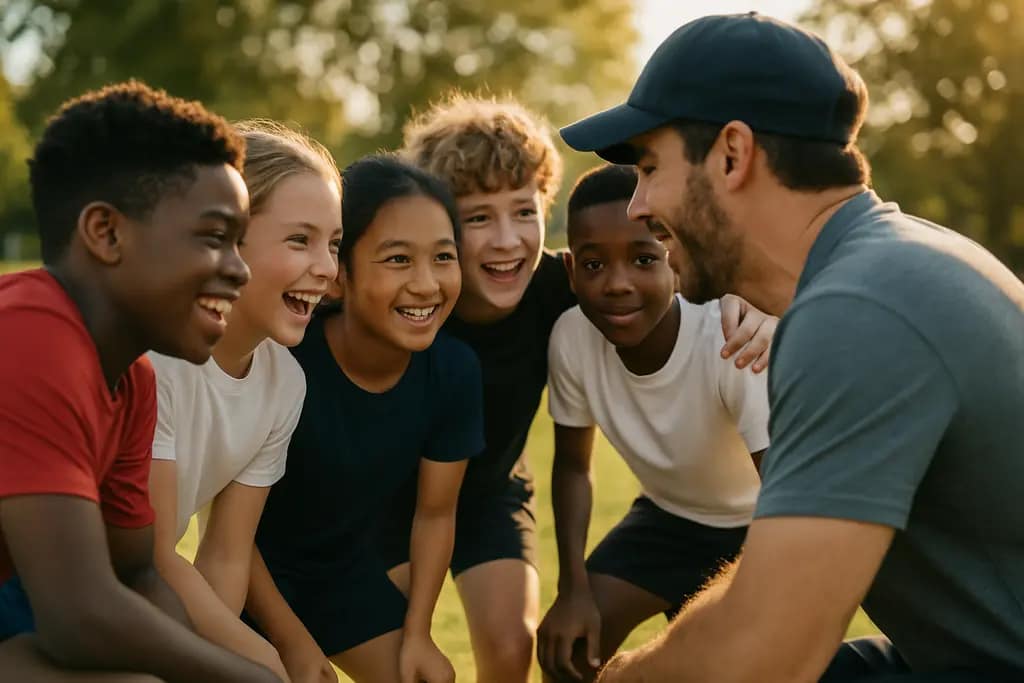
A young athlete can tell quickly whether a coach sees them as a whole person or only as a player in a lineup. Relationship-based coaching shows up in small moments: greeting players by name, asking how school went, noticing who seems quiet, and teaching teammates to encourage each other after a missed shot or rough inning. Those habits can make sports feel safer for children who are still learning confidence.
That is why Coach Support should include practical training on communication, trust, and team routines. A coach who knows how to correct without shaming can keep instruction clear while protecting a child’s sense of belonging. A coach who sets a clear tone for parents can reduce sideline pressure. A coach who reflects after practice can ask, “Did every child get a chance to learn today?”
Safe Teams Help Young Athletes Stay
The AIR review reported that after Million Coaches Challenge-supported trainings, coaches described improvements in communication, athlete enjoyment, relationships with coaches and teammates, and the likelihood that young athletes would keep participating. Those outcomes matter because staying in sport gives children more chances to practice teamwork, patience, leadership, and healthy routines.
For community leagues, safety should be understood in a broad way. It includes physical safety, but it also includes emotional safety: being able to make a mistake, ask a question, try a new position, or admit confusion without fear of ridicule. When children feel safe enough to learn, they are more willing to stretch. That growth can carry back into classrooms, homes, and peer groups.
Lessons From Recent Coaching Gatherings
Recent gatherings have pushed a hopeful idea: youth sport should be designed around the child, not around adult pressure. That message fits local programs of every size, from a school gym after class to a volunteer soccer field on a Saturday morning.
Million Coaches Challenge Lessons For Local Sidelines
The Million Coaches Challenge gives communities a clear starting point. Training more than one million coaches by December 2025 did not happen by accident; it required many partners working toward shared youth development practices. Local leagues can learn from that by setting common expectations across age groups rather than leaving every coach to figure it out alone.
- Begin each season with shared team values, not just game schedules.
- Give coaches short practice tools for praise, correction, and listening.
- Ask families what helps their children feel welcome and prepared.
- Create time for coaches to reflect on what worked after practices and games.
In this sense, Coach Support looks like a community system. Athletic directors, recreation staff, principals, parents, and veteran coaches can all help newer volunteers succeed. If a first-year coach receives guidance instead of being handed a whistle and a roster, young athletes benefit.
Madrid’s Child-Centred Message
On May 7, 2026, the global youth sport community gathered in Madrid for the ICOACHKIDS Conference, where participants focused on how sport can better support positive development, well-being, and lifelong participation through high-quality, child-centred coaching, according to the ICOACHKIDS conference report. That child-centred message is worth bringing into local gyms and fields.
Child-centred coaching asks adults to see development in stages. A child who is new to a sport may need simple instructions, repeated encouragement, and room to enjoy movement. A middle-school athlete may need help handling comparison, confidence swings, or changing friendships. A high-school athlete may need support balancing schoolwork, leadership, and pressure. The sport changes, but the need for caring adults stays constant.
Turning Training Into Community Practice

Training has the most value when it changes what children experience every week. A coach may attend a workshop, read a report, or hear a speaker, but the real measure is what happens at practice: Are athletes included? Are mistakes treated as learning? Are families respected? Are volunteers supported enough to keep serving?
A School-And-Club Rhythm
Schools and clubs can work together by using shared language. If a school talks about respect, attendance, and effort during the day, a team can repeat those same values after school. If a club teaches athletes to shake hands, listen during instruction, and help set up equipment, those habits reinforce classroom expectations without turning practice into another lecture.
Local leaders do not need a large staff to start. They can build a short coach meeting before each season, pair new volunteers with experienced mentors, and invite parents into a positive sideline agreement. For more on how local coaches can turn care into consistent habits, our related piece on positive coaching impact connects coach training with school connection, life lessons, and retention.
Caring For The Adults Who Care For Kids
The Million Coaches Challenge model also included coach reflection and well-being as part of its training focus. That point deserves attention. Coaches are often volunteers or part-time leaders balancing work, family, transportation, equipment, and parent communication. If a community wants patient, prepared coaches, it should not treat burnout as a private problem.
Support can be simple: shared practice plans, clear conduct policies, backup help for game days, and space for coaches to talk through challenges. These steps help coaches stay calm and consistent. Children notice that consistency. They learn that leadership is not loudness; it is preparation, fairness, and care repeated over time.
How Coach Support Can Shape Local Youth Development
Coach Support can shape youth development by turning a season into a shared community promise. The promise is that every child deserves a safe place to learn, a caring adult who knows their name, and a team culture that values effort as much as talent. That promise does not remove competition. It gives competition a healthier purpose.
When coaches teach effort, young athletes learn how to respond after disappointment. When coaches build belonging, families feel more welcome around the team. When coaches model reflection, children see adults learning too. Those lessons can follow a young person long after the final whistle.
The recent work from the Million Coaches Challenge and the Madrid ICOACHKIDS gathering points in the same direction: better coaching is community work. If local sports leaders keep investing in training, relationship-building, safety, and coach well-being, youth teams can become places where children grow stronger, families connect, and neighborhoods take pride in the adults helping kids thrive.