
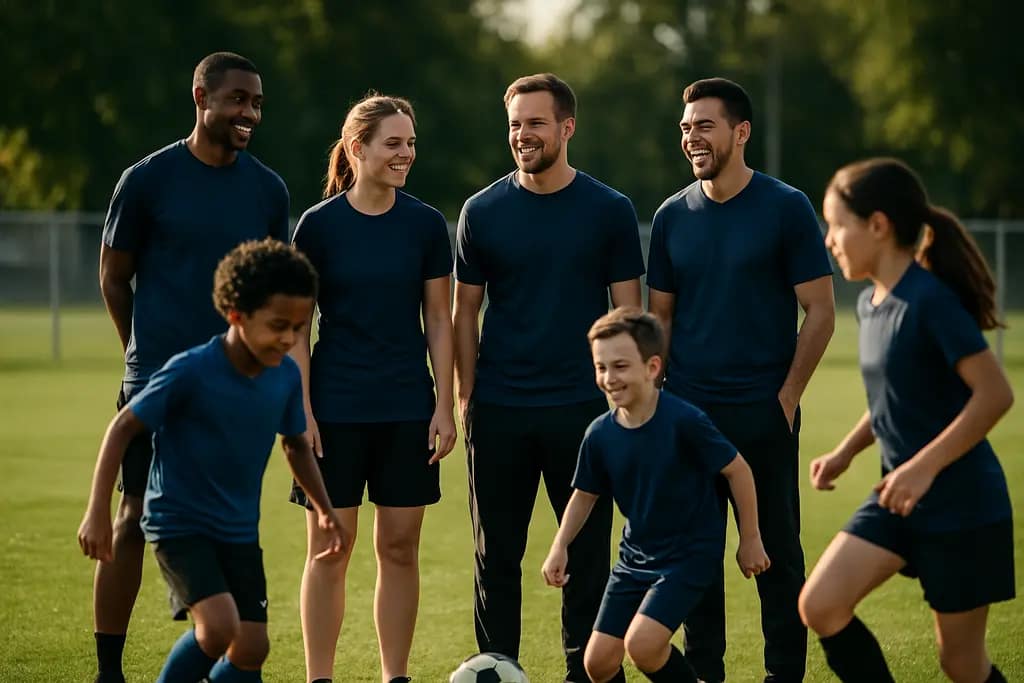
Youth sports mentorship begins with a simple belief: every practice, game, team meeting, and ride home can shape how a young person sees themselves. As coaches, we teach footwork, spacing, conditioning, and competitive habits. Yet the deeper win often shows up in quieter ways: a shy athlete speaking up in a huddle, a player learning how to handle a tough loss, or a team choosing encouragement over blame.
Local coaches sit close to a young athlete’s daily life. They see school stress, family pressure, confidence swings, and the pride that comes from earning a role on a team. That closeness gives coaches a powerful chance to mentor with care, but it also means the work should not be left to good intentions alone. The best programs support coaches with training, peer feedback, and a shared plan for helping athletes grow as people.
Youth Sports Mentorship Starts With Trained Coaches
Strong coaching starts with preparation. A coach may know the sport well, but youth development asks for another set of skills: how to communicate with patience, how to build trust, how to correct mistakes without shaming athletes, and how to create a team culture where effort and learning matter.
What Youth Sports Mentorship Looks Like In Practice
Youth sports mentorship is not a speech at the end of the season. It is the steady pattern of how a coach acts when an athlete misses a shot, arrives frustrated, argues with a teammate, or loses focus in practice. Mentorship happens when a coach asks a young person what they learned, not only what they scored. It happens when team standards are firm, fair, and explained in ways athletes can understand.
A systematic review and meta-analysis of 33 studies from 1979 through 2022 found that interpersonal coach development programs were linked with reduced anxiety, increased self-esteem, improved team social cohesion, a more task-oriented motivational climate, and greater enjoyment in youth sport coach development review. For a local coach, that finding supports what many of us see on the court and field: young athletes respond when adults lead with structure, warmth, and purpose.
Why Training Changes The Tone Of A Team
Training gives coaches common language. Instead of only saying “work harder,” a trained coach can name the behavior: recover after mistakes, communicate on defense, support the next player, or set a personal practice goal. Those small adjustments create a team setting where athletes know what success looks like beyond the scoreboard.
This matters because young people are still learning how to read feedback. A correction from a coach can either close a child down or invite them to try again. The difference often comes from tone, timing, and trust. Coaches who learn these skills are better prepared to keep athletes engaged while still holding them accountable.
The Coach As A Steady Youth Development Mentor
A steady coach can become one of the most consistent adults in a young person’s week. That does not mean coaches replace parents, teachers, counselors, or faith and community leaders. It means coaches can reinforce healthy habits in a setting young people often care deeply about.
Life Skills Need Repetition
Life skills grow through repeated practice. Teamwork is learned when athletes rotate roles, share the ball, and solve conflict after a hard drill. Leadership grows when older players model effort for younger teammates. Responsibility grows when athletes bring gear, arrive on time, and learn from choices. Confidence grows when effort is noticed, not just natural talent.
According to the U.S. National Coach Survey of about 4,964 coaches, coaches’ perceived impact on athlete life-skill development was most strongly predicted by organizational support and training, including life-skill-development training, peer support, coaching certification, prior evaluation, and whether coaches were paid National Coach Survey. That finding points local programs toward a clear lesson: if we want coaches to mentor well, we should build systems that help them do it.
Relationships Come Before Correction
Young athletes are more likely to receive correction from someone they believe cares about them. That care does not need to be soft or permissive. A mentor coach can be demanding and kind at the same time. The balance is key: standards give athletes direction, while connection gives them the courage to keep trying.
In practice, this may look like learning each athlete’s name quickly, checking in after an absence, praising a player for supporting a teammate, or asking captains to include younger players during warmups. None of these steps require a large budget. They require attention. As I often remind coaches, kids remember how they felt in your gym long after they forget the final score.
Building A Program Around Families And Schools

Mentorship works best when a program does not ask one coach to carry everything alone. Families, schools, athletic directors, volunteers, and community partners all help set the conditions for growth. A coach can lead practice, but the full circle around a child helps lessons stick.
Parents And Coaches Share The Same Sideline Goal
Parents want their children to be safe, supported, and challenged. Coaches want athletes who are ready to learn, compete, and grow. When communication is clear, those goals can work together. A preseason meeting, written team expectations, and a simple process for concerns can reduce confusion before pressure rises.
Families also help coaches understand the whole child. A player may be quiet because they are new to the school, tired from caring for a sibling, or nervous about making mistakes. Coaches do not need to know every detail of a child’s life, but respectful communication with families can help adults respond with wisdom instead of assumptions.
Schools Can Make Mentorship Part Of Team Culture
Schools and community leagues can help by making mentor habits part of coach onboarding. That may include training on positive feedback, athlete mental well-being, conflict response, and age-appropriate expectations. It may also include peer observation, where coaches learn from one another instead of working in isolation.
For programs building this kind of culture, the work connects closely with positive coaching impact, because the goal is not only better drills. The goal is a team environment where young people feel known, challenged, and supported. When schools treat mentorship as part of athletics, coaches receive a clear message: character growth belongs in the practice plan.
Why Youth Sports Mentorship Strengthens Local Teams
Youth sports mentorship strengthens more than one roster. It can lift school pride, encourage safer team environments, and help young people carry better habits into classrooms, homes, and neighborhood spaces. A well-coached team can become a small training ground for listening, resilience, leadership, and service.
Local coaches should take that responsibility seriously, but not fear it. Mentorship does not require perfect words. It asks for steady presence, teachable moments, and a willingness to keep learning. The coach who apologizes after losing patience teaches accountability. The coach who gives every athlete a role teaches belonging. The coach who celebrates effort teaches young people that growth is worth chasing.
For communities, the next step is practical. Support coaches before problems show up. Give them training, time to share ideas, and leaders who value youth development as much as wins. Invite families into the mission. Help athletes understand that being part of a team means contributing to something bigger than themselves.
When we get this right, youth sports mentorship becomes a community promise. We are telling young people that their character matters, their effort matters, and their future matters. That is the lesson local coaches can pass forward every season.