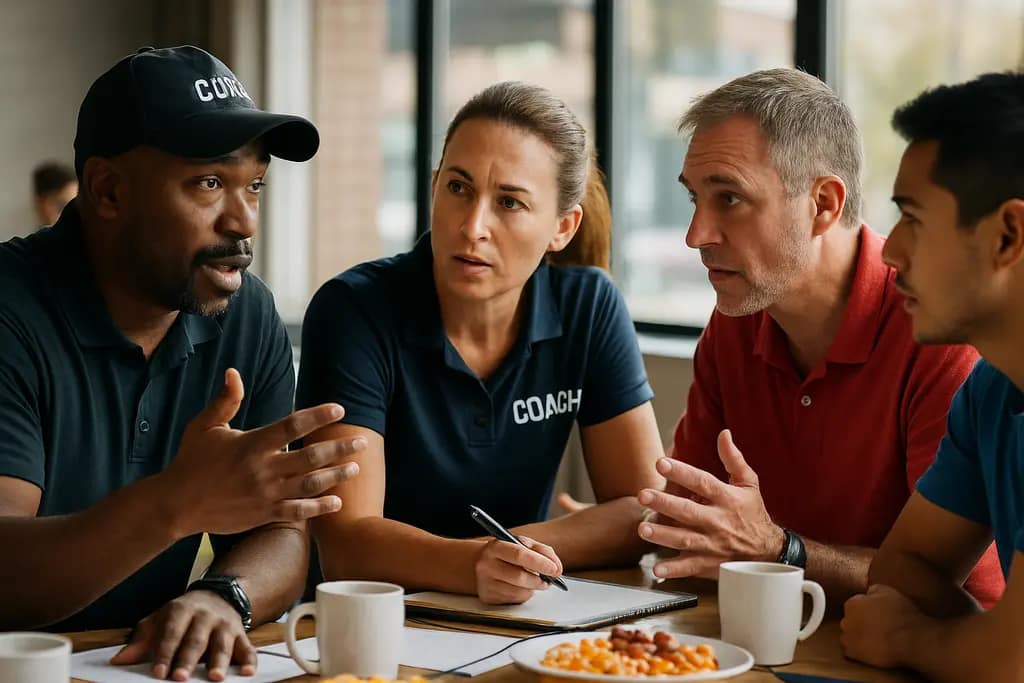
Coaches Impact Breakfast should feel like more than a morning meal. At its best, it can gather youth coaches, school leaders, parents, athletes, civic partners, and local volunteers around one shared question: how can coaching build safer, stronger, more connected communities through sports?
That question matters because coaching is often the first trusted bridge between a young person and a wider circle of support. A coach sees effort before a box score, hears frustration before it becomes withdrawal, and can help a student-athlete connect practice habits with classroom confidence. When a community sets aside time to honor and equip coaches, it sends a clear message: youth development is not a side benefit of sports. It is the heart of the work.
The research available for this topic does not confirm a specific date, venue, host, or speaker list for the breakfast. So the strongest way to frame the event is as a community-building model: a gathering where people who care about local youth can align around mentoring, school connection, safety, and long-term belonging.
How Coaches Impact Breakfast Can Connect Sports And Support
A breakfast built around coaching gives local sports programs a chance to slow down and name what often happens quietly on fields, courts, tracks, and sidelines. Coaches help young people learn how to show up on time, recover after mistakes, communicate with teammates, and respect shared rules. Those lessons carry into classrooms, homes, jobs, and neighborhood life.
Why Coaches Impact Breakfast Belongs In Youth Sports
Coaches Impact Breakfast belongs in youth sports because coaches are already part of a young person’s weekly rhythm. A trusted adult at practice may notice when an athlete stops smiling, misses schoolwork, or drifts away from friends. That early attention can open the door to help long before a crisis grows.
Sports also give coaching a natural setting for peer connection. Young athletes learn beside teammates from different grades, streets, schools, and family backgrounds. When coaches create a healthy team culture, they help young people practice listening, leadership, patience, and shared responsibility in real time. That is why a local breakfast should not only celebrate wins. It should lift up the daily acts of care that keep kids engaged.
What The Morning Can Make Visible
A strong event can make the invisible visible. It can spotlight the assistant coach who drives athletes home, the volunteer who keeps equipment organized, the teacher-coach who checks grades before practice, and the parent who turns snack duty into relationship building. These small habits are not extras. They are part of the support system young people remember.
The morning can also help schools and leagues compare what is working. Some programs may need better coach training. Others may need help with transportation, family communication, or safe practice spaces. A breakfast creates a friendly setting for honest conversation without blaming one group for challenges that require shared effort.
Evidence That Coaching Builds Belonging
While the breakfast itself is local in spirit, the case for coaching is supported by broader evidence. A five-year student success coaching initiative from Fall 2021 through Spring 2026 across 39 Historically Black Colleges and Universities supported more than 43,800 students; among students who had stopped out, the re-enrollment rate was 2.5 times the national average, and actively enrolled students had an 83.8% fall-to-spring retention rate, according to an InsideTrack report.
That example is not a youth sports program, and it should not be treated as if it were. Still, it shows how structured coaching can help people stay connected to goals, institutions, and support networks. For local sports leaders, the lesson is practical: coaching works best when it is consistent, relationship-based, and tied to clear next steps.
Community safety research also points to the value of trusted adult relationships. In April 2026, AP News reported that Oakland, California, credited a youth life-coaching program as one factor in a six-decade low in homicides; the program worked with young men at risk of gang violence by building awareness, community ties, and routes away from violence, according to an AP News report.
Again, that is not the same as a local team practice. But it should encourage sports communities to take mentoring seriously. A coach may not solve every problem, yet a coach can become part of a wider web of adults who help young people feel seen, valued, and guided.
Turning A Breakfast Into Action For Young Athletes
The most meaningful part of Coaches Impact Breakfast is what happens after the plates are cleared. A community gathering should lead to practical commitments that support athletes across the whole year. The goal is not to create another one-day program. The goal is to build stronger habits among the adults who shape youth sports.
Agenda Ideas With Real Community Value
A clear agenda can keep the morning focused on youth outcomes. It should blend gratitude, learning, and action so every guest leaves knowing how to help.
- Coach appreciation: honor coaches for mentorship, not only records or championships.
- Youth voice: invite student-athletes to share what makes them feel supported.
- School connection: ask coaches and educators to discuss attendance, grades, and practice expectations.
- Mentor commitments: pair new coaches with experienced coaches for the season.
- Family access: identify barriers such as transportation, fees, equipment, and communication gaps.
These steps are simple, but they can change how a season feels for a young athlete. A teenager who knows adults are talking to one another in a caring way is more likely to feel anchored. A coach who has support from peers is less likely to feel alone. A school that sees sports as part of youth development can treat athletics as a partner in student success.
Where Coaches Need Support
Community members sometimes ask coaches to be mentors, counselors, motivators, conflict managers, and role models all at once. That is a lot to carry, especially for volunteers or part-time staff. A breakfast can be a respectful place to say that coaches also need training, encouragement, and clear referral points when a young person needs help beyond the team.
This is where a same-site resource on positive coaching impact fits naturally into the conversation. Coach development is not about making adults perfect. It is about giving them tools to build trust, respond with care, and keep young athletes connected to healthy goals.
Building A Stronger Local Coaching Circle
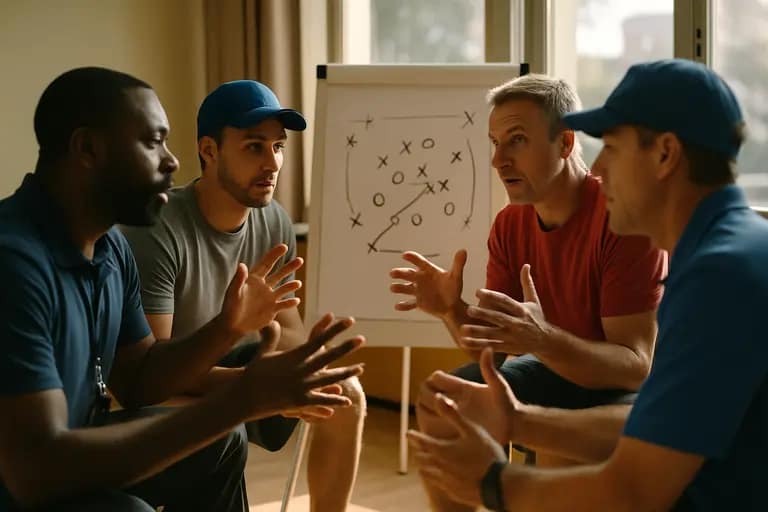
A local coaching circle works best when it includes more than head coaches. Athletic directors, teachers, parents, faith leaders, recreation staff, mental health partners, local business owners, and older student-athletes can all support the same youth pipeline. The breakfast can help those groups meet each other before problems arise.
For example, a middle school basketball coach may know that a player needs a safe ride home, while a community partner may know a transportation option. A high school track coach may see leadership potential in a quiet athlete, while a teacher may know that student needs encouragement to join a club. These connections happen faster when adults already have trust.
The sports-first value is clear: teams become healthier when young people have support around them. Better support can lead to steadier participation, stronger team culture, and more confidence in practice. Community value grows alongside it because families see local sports as a place where their children are known and cared for.
Why Coaches Impact Breakfast Matters Locally
Coaches Impact Breakfast matters because communities do not become stronger by accident. They grow stronger when adults choose to gather, listen, and commit to young people together. Sports give that work a familiar home. Coaching gives it a human face.
If the breakfast stays focused on youth development, it can become a yearly marker of shared responsibility. Coaches can leave encouraged. Schools can leave with partners. Families can leave knowing their children are surrounded by adults who care about more than the final score. Most of all, young athletes can feel the difference when a community treats coaching as a bond, not just a role.