
Youth Sports Initiative work in Indianapolis took a clear public step on July 21, 2026, when four federal agencies signed a memorandum of understanding with the NFL at the Indianapolis Colts’ practice facility. The agencies named in that agreement were the U.S. Department of Housing and Urban Development, Health and Human Services, Education, and Labor, according to Axios Indianapolis. For families, coaches, and school partners, the signing mattered because it framed sports not as an extra activity, but as a meeting place for health, academics, mentoring, and future work skills.
Indianapolis already knows that youth sports can carry community weight. A well-run practice can become the place where a young person learns to listen, reset after a mistake, and trust adults who show up week after week. A neighborhood field can also become a shared space where parents, school staff, local officers, and volunteer coaches see the same child from different angles. That is where public support, athletic structure, and daily encouragement can begin to reinforce each other.
The July 21 agreement should be read with both hope and care. The allowed source set for this story confirms the signing and the broad federal-NFL partnership, but it does not provide verified launch sites, schedules, funding levels, or binding measurements. That means the strongest community response is not passive excitement. It is thoughtful local planning: asking which gyms, fields, schools, and trusted coaches are ready to serve young people first.
What The Youth Sports Initiative Set In Motion
Youth Sports Initiative As A Local Model
The value of the Indianapolis announcement starts with coordination. Families often experience youth development as separate systems: school support in one building, recreation in another, health resources somewhere else, and job readiness conversations much later. Sports can connect those pieces because young people show up for teams with energy and identity. If agencies and sports partners use that motivation well, practice time can support school attendance, physical activity, peer connection, and steady mentoring.
For Indianapolis, the Youth Sports Initiative also arrived in a city with existing examples of sports-based outreach. Indy PAL, a youth sports and mentoring program in Indianapolis, served approximately 1,000 youths during a recent reporting period; about 50% lived in one of the city’s top five ZIP codes for gun violence, and the program spent about $100,000 on safe, quality sports equipment, according to the city’s federal recovery reporting filed with the U.S. Treasury recovery plan. Those numbers show why sports access is not a small side project. It can be aimed directly at young people growing up with higher exposure to community stress.
Why The Colts Facility Setting Mattered
The signing location carried meaning. Holding the event at the Indianapolis Colts’ practice facility tied the effort to a place associated with professional preparation, teamwork, coaching standards, and local sports pride. Young athletes may never play professionally, and most will not need to. The deeper message is that preparation habits belong to every child: showing up on time, learning a drill, respecting teammates, asking for help, and trying again after a tough rep.
That sports-first message matters in program design. If a youth program begins with paperwork and agency language, families may not feel invited. If it begins with a ball, a coach, a schedule, and a place where kids feel known, then academics and wellness support can become part of the rhythm. A coach can remind players about homework. A school partner can help identify transportation gaps. A community organization can help parents understand what equipment is needed and what can be provided.
How Indianapolis Sports Partners Can Turn Policy Into Play
Start With Coaches And Consistent Places
The heart of any community sports model is not the press event. It is the weekly practice. Indianapolis partners can build from the July agreement by identifying coaches who already have trust in neighborhoods and pairing them with schools, recreation sites, and youth-serving groups. That approach respects the relationships that families have already built. It also helps avoid a common problem in youth programming: launching a new effort without enough adults who know the community well.
Consistency is just as valuable as ambition. A young person benefits when practice is held at the same time, in the same place, with adults who remember their name. That kind of structure can make sports feel dependable, especially for children who have had too many programs start and stop. For a city model, the first measure of strength should be whether families can count on the program after the announcement fades.
Connect The Field To School Support
Sports can support learning when the connection is direct and respectful. Coaches do not need to become classroom teachers, but they can reinforce the habits that help students succeed: attention, effort, teamwork, and accountability. Schools can help by sharing space, identifying students who might benefit from after-school structure, and working with families on transportation and communication.
This is also where community investment matters. Equipment, field access, uniforms, background checks, and staff time all shape whether a child can participate. A related Youth Rise piece on community investment in youth sports makes the same point: strong programs depend on the people and resources around the coach, not only on the coach’s effort.
- Access: Reduce cost barriers by planning for shared equipment, clear registration help, and nearby practice sites.
- Trust: Work through coaches, school staff, and mentors who already know local families.
- Learning: Link team expectations with attendance, homework routines, and positive school behavior.
- Health: Keep physical activity at the center while making space for nutrition, rest, and mental well-being conversations.
Youth Sports Initiative Lessons For Access
Youth Sports Initiative And Trusted Mentors
Access is not only about opening a gym door. It is about whether a family can afford the sport, reach the site, trust the adults, and understand the schedule. Indianapolis has a chance to treat those details as core program design. If flag football is part of the early work, as Axios reported in its coverage of the federal launch, organizers can think about why that sport may fit community needs: it can serve many athletes, teach spacing and communication, and create leadership roles for players who learn plays and encourage teammates.
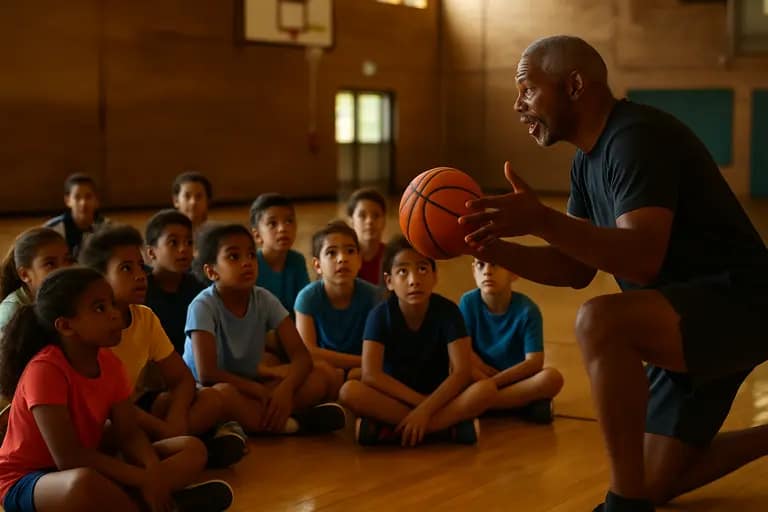
The bigger lesson applies to all athletics. Basketball, soccer, track, volleyball, football, and fitness programs can each become youth development settings when adults are trained to teach more than technique. A good coach sees the player who is quiet, the player who is angry, the player who is hungry to lead, and the player who needs a second chance. That human attention is hard to measure from a podium, but families feel it quickly.
Use Existing Local Strength
The Indy PAL example shows that Indianapolis does not have to begin from zero. A program that has reached about 1,000 youths and focused many of its services in ZIP codes affected by gun violence offers a local reference point for targeted sports outreach. The federal agreement can learn from that kind of work by asking practical questions: Which neighborhoods already have trusted youth sports mentors? Which facilities need equipment first? Which schools can host after-school activity without adding strain to staff?
That approach also protects against one-size planning. A northside gym, a westside field, and a public housing-adjacent recreation space may need different schedules, sports, transportation support, and volunteer pipelines. Community sports succeed when they reflect the real lives of the young people they serve.
Why The Indianapolis Model Matters For Youth Sports
The strongest promise of the Youth Sports Initiative is its invitation to treat youth sports as public support, not just play. The July 21, 2026, signing gave Indianapolis a visible starting point. The harder work will be local: building schedules families can use, training coaches to mentor with care, keeping equipment available, and making sure young people in high-need neighborhoods are not left waiting for access.
If Indianapolis gets that part right, the model can show other cities how to connect federal attention with neighborhood trust. The measure should be seen in simple, powerful moments: a child getting a uniform without shame, a coach checking on grades, a parent feeling welcome at practice, and a team becoming a steady circle of support. That is how sports strengthen community ties one season, one practice, and one young person at a time.