
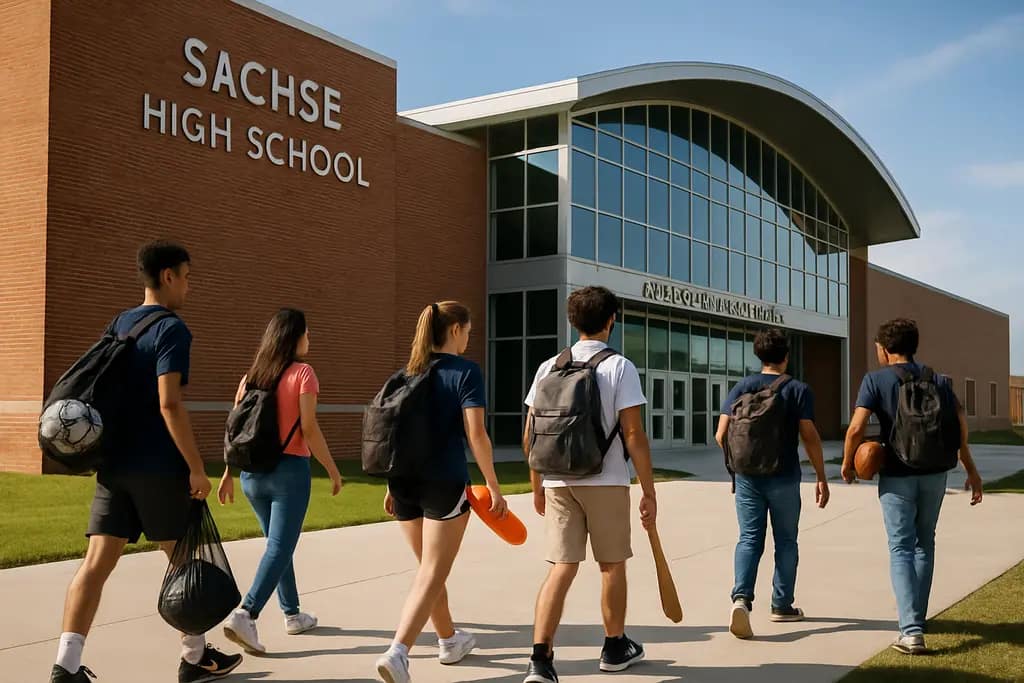
Sachse High MAC opened as more than a new building for practices. For students, coaches, directors, and families, it gave Sachse High School a shared space where preparation could happen with more safety, consistency, and pride. Garland ISD held the ribbon-cutting ceremony on September 3, 2026, after the project opened in fall 2026 as part of the district’s voter-approved 2023 Bond Program Garland ISD announcement.
As a coach and mentor, I see facilities through the eyes of the young people who use them. A student does not just walk into a fieldhouse to lift weights or rehearse. That student walks into a routine, a standard, and a group that expects effort. The new Multi-Purpose Activity Center gives Sachse students a place where those habits can grow, whether they wear a football helmet, carry a band instrument, work with a theater crew, or need a flexible program space that fits their school day.
The available public sources focus on the facility, opening, and intended campus uses. They do not yet provide long-term student outcome data, so it would be too early to claim measured gains in participation, grades, or performance. What can be said, with confidence, is that Sachse High now has a climate-controlled indoor practice and rehearsal space designed to reduce weather disruptions, ease space pressure, and serve several student groups.
Sachse High MAC Opens With A Student-First Purpose
Why The Sachse High MAC Matters To Coaches
Good coaching starts with trust. Students need to know where to be, what to bring, and how practice will run. When space is limited or weather keeps changing plans, young athletes can lose focus before the first drill begins. The Sachse High MAC gives coaches and sponsors a more dependable setting for practice plans, team meetings, strength work, and preparation.
The district described the facility as a full-length indoor turf field for athletics, fine arts, and other campus programs, giving students a climate-controlled place to practice and rehearse throughout the school year Garland ISD announcement. That detail matters because youth development depends on repeated positive routines. A quarterback running footwork, a marcher learning spacing, and a student in a campus program building confidence all benefit from consistent expectations.
For a coach, the most meaningful part is not the size of the building. It is the chance to teach responsibility in a setting built for students. Showing up on time, caring for shared space, listening to instruction, correcting mistakes, and supporting teammates are lessons that follow students into classrooms, jobs, and families.
A Bond Project With Campus Reach
The new center was part of Garland ISD’s $1.279 billion 2023 Bond Program, which funded Multi-Purpose Activity Centers at all seven district high schools Garland ISD announcement. For Sachse, that placed the campus within a broader district effort to update student spaces and support school programs.
Bond projects can feel distant until students step inside and use the space. At that point, a public investment becomes personal. A sophomore learning how to lift safely, a senior helping younger teammates understand expectations, or a student group finding room to rehearse all give the project its real meaning. The building becomes a tool for belonging.
A Practice Space Built For More Than One Team
Athletics, Fine Arts, And Flexible Programs
The center was not described as a single-team facility. A local facility report said the project included a fieldhouse with locker rooms for outdoor sports, coaches’ offices, a weight room, meeting space, laundry facilities, and athletic training rooms local facility report. That mix supports the daily rhythm of school athletics: preparation, recovery, instruction, and care for equipment.
The same report said space was planned for fine arts storage, including band, choir, and theater equipment, along with flexible use by special education programs local facility report. That is the kind of detail families should notice. A school building that supports several groups can help students feel that their activity counts, even if their schedule, role, or talent looks different from someone else’s.
On a high school campus, space can send a message. When students see athletics, fine arts, and flexible programs all tied to the same facility plan, the message is that school pride is shared. The band matters on Friday night. The training room matters after a hard practice. The meeting room matters when a coach needs to teach leadership before teaching technique.
- Students gain access to an indoor turf field for practice and rehearsal.
- Outdoor sports receive locker room and fieldhouse support.
- Fine arts programs receive storage space for major equipment needs.
- Flexible program use helps the facility serve a wider group of students.
What Shared Space Teaches Students
Shared space teaches respect. Athletes learn that their practice is not the only event on the calendar. Performers learn to prepare around other groups. Coaches and directors learn to communicate, adjust schedules, and protect student time. Those lessons are not always listed on a scoreboard, but they shape character.
For young people, community begins with small actions. Put equipment away. Leave the room ready for the next group. Encourage someone who is new. Take pride in the facility without acting like it belongs only to one team. Those habits help build a campus culture where students recognize their connection to one another.
How Weather Protection Supports Player Development
Safety And Consistency In North Texas Conditions
North Texas weather can interrupt practice with heat, storms, cold, and fast-changing conditions. Garland ISD said the indoor center was intended to protect students from extreme and unpredictable weather while helping campus programs avoid disruptions Garland ISD announcement. That safety purpose sits at the center of youth sports development.
Young athletes need challenge, but challenge should be guided. A climate-controlled indoor option allows coaches to keep teaching when outdoor conditions are not right for the plan. It can also help students stay engaged with team goals instead of losing valuable practice time to sudden changes.
For student growth, consistency matters. A coach can build a practice week around skill stations, walkthroughs, strength work, and team meetings. A director can plan rehearsal with fewer concerns about outdoor limits. A student can arrive knowing the day still has structure. That kind of routine helps teenagers build discipline one practice at a time.
Development Beyond Competition
The Sachse High MAC supports competition, but its deeper value is preparation. Not every student who uses the building will play college sports, earn a chair in a top ensemble, or lead a school production. Every student, though, can practice being dependable.
As mentors, we should measure a facility by how it helps adults teach and students grow. Does it give students a safer place to train? Does it give staff better ways to organize? Does it create room for more programs to operate with dignity? Based on the published facility details, Sachse’s new center was built to answer those needs.
Community Pride Around The New Activity Center
A Visible Symbol For Sachse Families
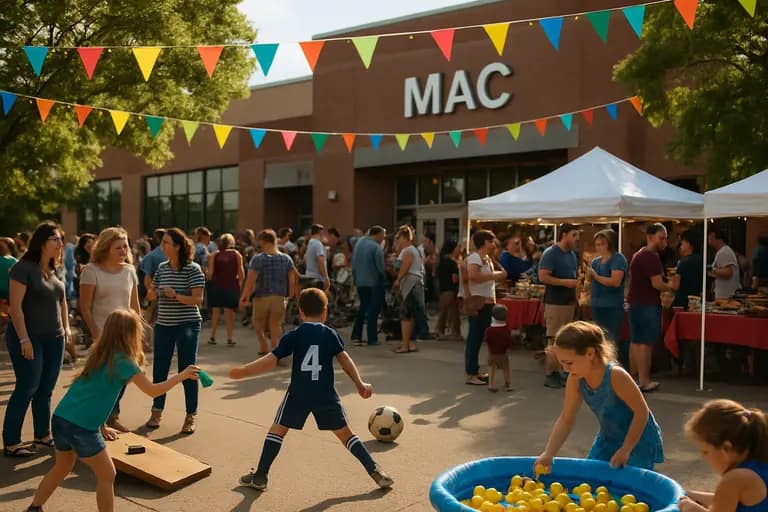
Garland ISD described the center as a landmark for the Sachse community, visible from Bunker Hill Road and the President George Bush Turnpike, with Mustang branding tied to campus pride Garland ISD announcement. Visibility can matter in a community because families often connect school identity with the places they pass every week.
For parents and guardians, a facility like this can signal that student activities are being taken seriously. For younger children in the area, seeing a high school space tied to teams, programs, and school pride can help them imagine their own future on that campus. For alumni, it gives a new marker of how the school has grown.
Community engagement is not only about large events. It is also about the steady support that surrounds students: parents driving to practices, staff opening doors early, coaches teaching after long school days, and neighbors taking pride in a campus that serves local families. The new center gives those efforts a clear home.
Accountability To The Public
Because the project came through a voter-approved bond program, the building also carries public responsibility. Facilities should serve students well, be scheduled with fairness, and reflect the needs that were presented to the community. Public trust grows when families can see how a school improvement supports daily student life.
The early story is promising, but the best evidence will come through use over time. The community should keep asking student-centered questions: Are programs getting the access they need? Are students safer during weather challenges? Are coaches and sponsors able to teach more effectively? Are more students feeling connected to school through activities?
What The Sachse High MAC Means For Sachse Students
The Sachse High MAC gives Sachse students a place to prepare, belong, and take pride in the work that happens before the public sees the result. The building opened on September 3, 2026, but its real impact will be shaped across many ordinary days: early lifts, careful rehearsals, team talks, equipment checks, injury care, and quiet moments when a young person decides to keep improving.
That is why this project matters. Sports and school activities are not only about wins, performances, or public recognition. They are about helping young people learn effort, patience, teamwork, and service to something larger than themselves. When a community invests in a space that supports those lessons, it invests in the students who will carry those lessons beyond campus.
As a coach, I hope the center is judged by the students it helps shape. If a freshman feels welcomed, if a senior learns to lead, if a team handles adversity with more maturity, and if a campus group finds the room it needs to prepare well, then the facility is doing its job. The new center stands as a daily reminder that youth development grows when schools, families, and communities build around students first.