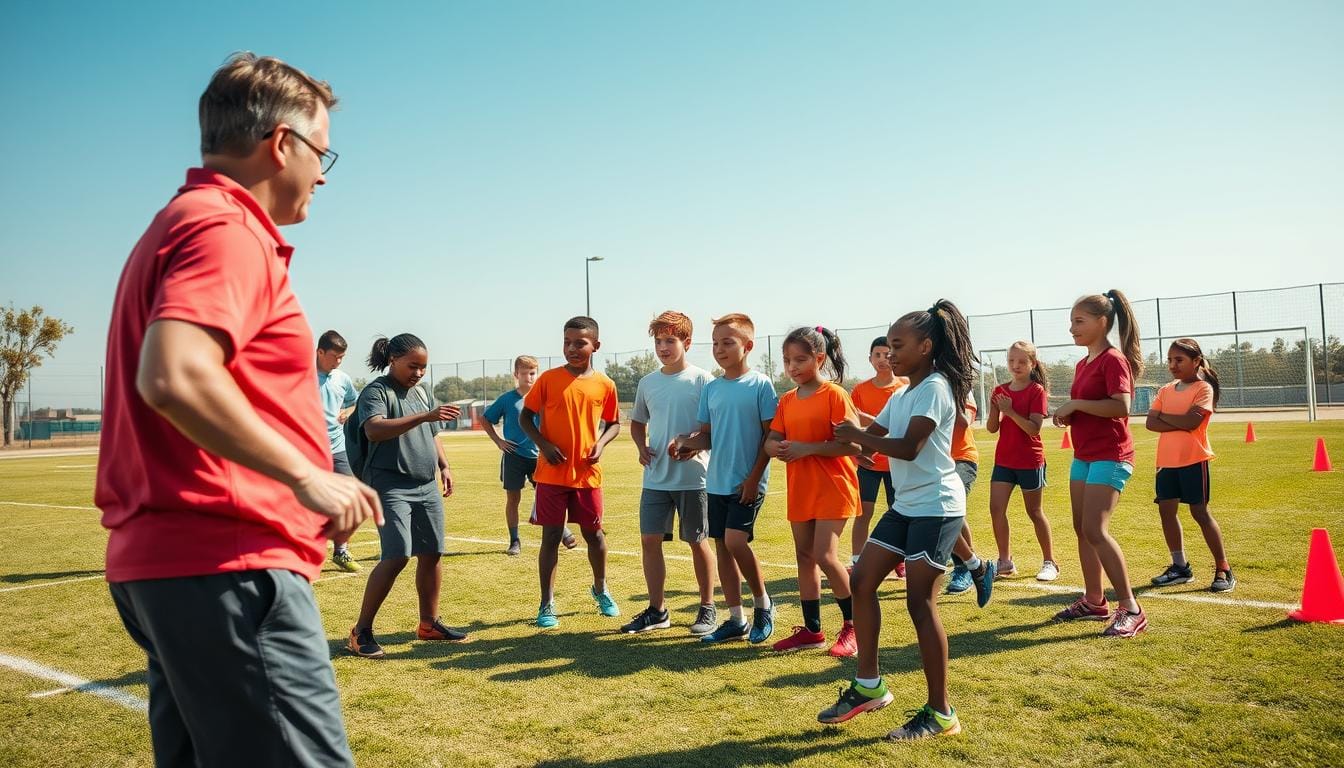
Remember the classic training montage? The hero sweats in a dojo, mastering a skill alone. But when real-world chaos hits, they freeze. It’s a great movie moment, but a bad plan for coaching.
We’ve made the same mistake in youth sports for years. We focus on passing and dribbling drills, hoping character will magically appear. We see social-emotional learning, or SEL, as a bonus, not the main goal.
This is the “isolated skill” fallacy. A kid might ace a towel-folding task in therapy but struggle with laundry. Skills don’t always transfer. This is why teamwork talks often fade by the first timeout.
The solution isn’t more speeches. It’s changing how we practice. By using new methods from applied behavior analysis, we can teach skills in real, daily activities—the game itself.
Imagine every layup drill teaching focus. Every lap building resilience. Let’s stop hoping and start designing. We want athletes who know the plays and live the game of life with grit and awareness.
The SEL Framework for Sports
Most sports focus on X’s and O’s, but the real game-changer is different. It’s not a new defense. It’s the Social and Emotional Learning (SEL) framework.
Think of SEL as your team’s core software. The five CASEL competencies—self-awareness, self-management, social awareness, relationship skills, responsible decision-making—are as important as stats. They are performance metrics as critical as batting average or free-throw percentage.
These skills don’t stick from lectures alone. A team talk on teamwork is forgotten by halftime. Real character education happens in the game itself, where emotions and teamwork are tested.
The game is the perfect place for learning. Players face real challenges and make decisions under pressure. The rewards are tangible, like winning or earning a teammate’s respect.
Where is the curriculum? It’s in the moments after a mistake, when a player manages their emotions (self-management). It’s in the water cooler chats, where players read each other’s cues (social awareness). It’s in the split-second decision to pass, even when it’s tempting to score (responsible decision-making).
Your field or court is a real-world mirror. It shows the highs, lows, and teamwork needed in life. Treat it as a life-skills lab, not just a playing area. For more on incorporating the SEL framework into your practice, the principles are your new drills.
We move past lectures to real teaching moments. The best lessons happen in the heat of the game, in recovery, or through quiet leadership. That’s when the framework truly comes to life.
Converting Drills into SEL Lessons
Transforming your practice plan isn’t about adding more drills. It’s about seeing them in a new light. Most drills focus on muscle memory through repetition. They teach a skill, but what if they could teach a person?
Let’s pivot to event-based teaching. This method uses real-life activities like making a sandwich. It adds learning objectives to these tasks, making success a natural reward.
Apply this to sports. A passing circle isn’t just a drill. It’s a learning event. Your job is to add specific SEL objectives to your drills.
Let’s look at the Passing Circle. The old goal was 50 passes without a drop. Now, it’s more than that.
- Skill: Accurate passing technique.
- Self-Management (SEL): Managing frustration and resetting focus after an error.
- Relationship Skills (SEL): Giving a constructive cue to a teammate.
- Social Awareness (SEL): Reading a teammate’s non-verbal cues.
The drill’s structure hasn’t changed. Your coaching points have. You’re teaching teamwork under pressure. Success is the smooth flow of the circle.
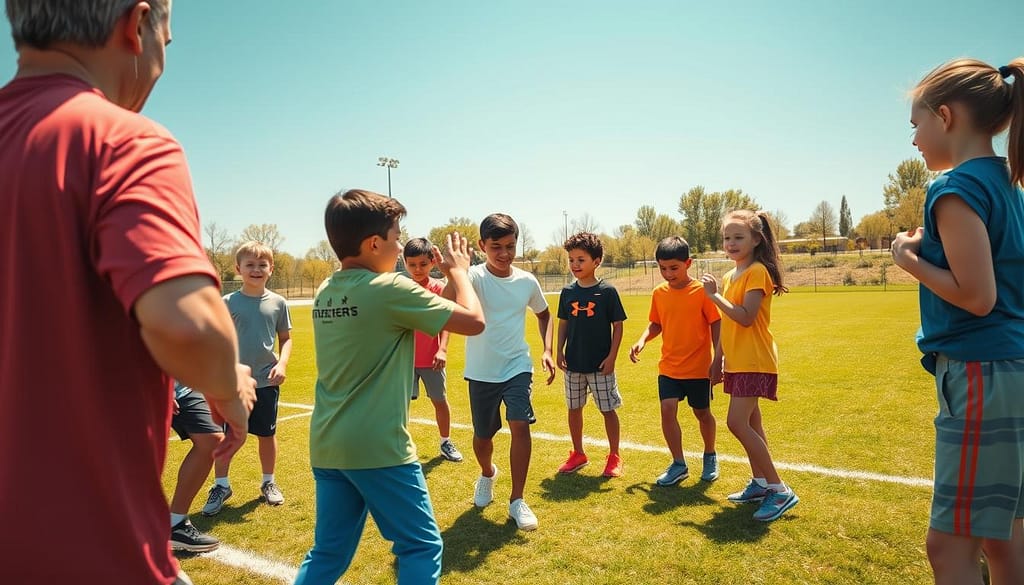
This method of infusing SEL into existing curricula turns drills into meaningful moments. Defensive drills are now about more than just staying in front of the player.
Skill: Defensive stance and slide.
Social Awareness & Communication (SEL): Calling out “Screen!” or “Help!” before the play develops.
Self-Management (SEL): Regulating panic and recovering calmly.
Responsible Decision-Making (SEL): Understanding your role in the team’s defense.
The drill is now a lab for life skills. It’s about real pressure, communication, and emotional control. You’re building resilient, aware, and cooperative people.
This pivot is simple. You don’t need new equipment or more time. You need a new intention. Ask yourself: “What life skills could this activity teach?” Then, coach to that. The wins will follow, both on and off the field.
Reflection Circles and Journaling
Metacognition in cleats—that’s what we’re building when we shift from post-game lectures to reflection circles. A drill is just data input. Without reflection, that data gets lost in the noise of the next whistle.
It evaporates. The first source in our research hammered this home: skill generalization—that magical transfer from the field to real life—doesn’t happen by accident. It needs a debrief.
Enter the reflection circle. This isn’t a touchy-feely campfire sing-along. It’s a structured, Socratic interrogation of experience. The goal? To move past the hollow “good job” and into the messy, beautiful territory of “why?” and “how did that feel?”
Imagine a huddle after a brutal scrimmage. Instead of dissecting the failed zone defense, you ask, “What was one moment you showed resilience today?” The silence that follows isn’t awkward; it’s fertile. Or try, “How did you contribute to the team’s emotional energy in the last quarter?” These questions force introspection. They make character education tangible.
The third source offers brilliant tactical advice here. Celebrate *all* attempts, not just successes. This isn’t about participation trophies. It’s about wiring the brain to value effort and learning. Consistency is the other secret weapon. Use the same reflection frameworks on the field, in the locker room, and—crucially—in prompts sent home. Why? Because active and engaging reflection across settings acts like synaptic glue. It solidifies the learning.
This is where journaling becomes your stealth MVP. A simple notebook transforms from a diary into a cognitive training tool. Strategic prompts are key:
- “Draw the play where you felt most frustrated. Now, write what you’d tell yourself in that moment.”
- “List one teammate you supported today and how.”
- “What’s one thing the coach said that clicked for you? Why?”
This isn’t homework. It’s a software update for the athlete’s mind, running in the background.
Now, for the coach’s role. This is the hardest pivot. You must morph from a dictator of drills into a Socratic guide. Your new power tool isn’t the whistle; it’s the well-timed, open-ended question that hangs in the air, demanding an answer more thoughtful than “I dunno.” Training for this is non-negotiable. We’re applying caregiver coaching models to the sports field. The data is clear: parent-mediated interventions boost daily living skills. Translated? When adults are trained to facilitate, not lecture, kids learn deeper.
So, build the culture. Start small. One reflection circle per week. One journal prompt per practice. Watch as the kids begin to think about their own thinking. Watch as SEL moves from a poster on the wall to the language of your locker room. The witty truth? The most profound coaching you’ll ever do might happen when everyone is sitting, silent, and actually thinking. Now that’s a winning strategy.
Youth Leadership Rotations
The old way of picking team captains is like a monarchy in a world that needs democracy. We pick one or two players and forget about the rest. This is not only old-fashioned but also a missed chance for deep character education.
Imagine a team with a rotating leadership team instead. Each player gets a chance to lead for a week or a month. They handle real tasks like managing equipment or leading warm-ups.
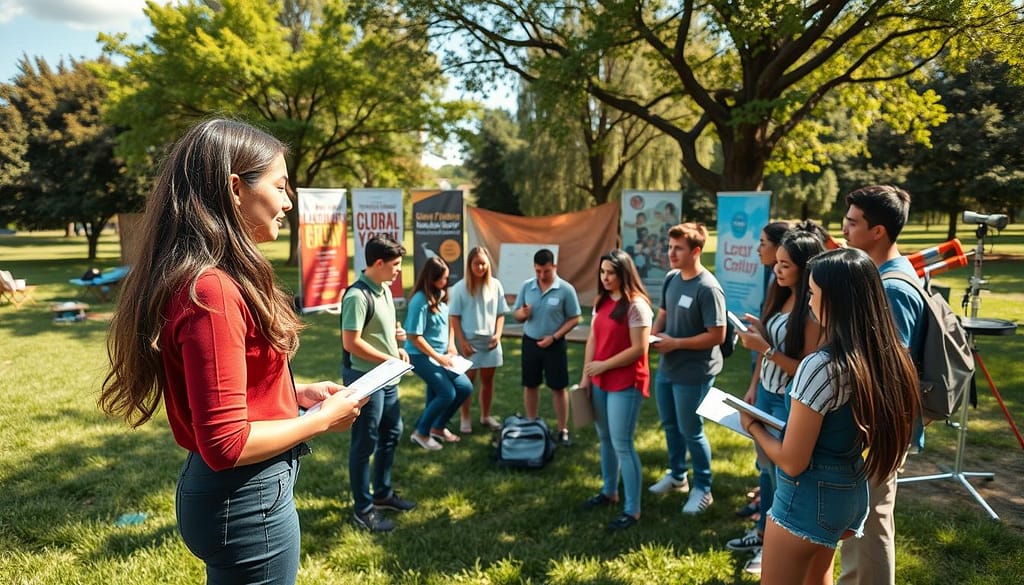
This isn’t just about giving players something to do. It’s about teaching them important life skills. They learn about responsibility, teamwork, and how to manage others. It’s like a real-world job, where they practice every day.
The key is the group contingency idea. The team works better when everyone does their job. If someone forgets the equipment, practice gets worse. This makes leadership real and tangible.
By doing this, we teach players about power and responsibility. They learn to take charge because they actually have a role. This is character education in action. Players gain life skills by doing, not just listening.
It’s funny. We trust teens to handle complex sports strategies but not simple tasks like managing equipment. This sends a mixed message. We believe in their skills but doubt their ability to organize.
Let’s give them a chance. Give them the clipboard and the key. A rotating leadership team makes every player a leader. They become active participants in their sports journey. This way, they learn life skills that help them both on and off the field.
Progress Rubrics and Badging
We track batting averages with NASA precision but measure kids’ grit vaguely. It’s odd. We know the spin rate of a curveball but not character. It’s like our analytics team forgot about character.
This gap is not just a problem; it’s laziness. We praise “leadership” and “resilience” without clear standards. What does “showed leadership” mean in the third inning? Did a player listen well in a huddle?
We need clear, observable rubrics for life skills. Forget vague terms. Break them down into actions we can see.
For example, a rubric for “Emotional Regulation” after a bad call might include:
- Level 1 (Developing): Player visibly scowls, kicks dirt, makes a negative comment audible to teammates.
- Level 2 (Progressing): Player takes a deep breath, turns away from the play briefly, returns to position without comment.
- Level 3 (Mastering): Player immediately re-engages with the next task, offers a quick “let’s go” to a nearby teammate.
This approach is like the AFLS. We’re not just checking if a skill can be done calmly. We see if it’s done well in real games. That’s when SEL really matters.
But we need to see progress. That’s where badging comes in. Imagine a visual tracker—a poster, a digital profile—where earning a “Communicator” badge means using “I” statements in three conflicts.
The reward isn’t just a badge. It’s the feeling of earning it. The badge shows who you are. “I am a Resilient Defender.” “I am a Collaborative Teammate.”
This makes growing in citizenship as visible as hitting home runs. It turns SEL into a documented record of who these young people are becoming. The data tells their whole story.
Coach Observation Forms
The final piece of our puzzle isn’t a new drill. It’s our own eyes. Our job shifts from spotting a missed layup to catching the moment a player helps an opponent off the floor. That’s where the Coach Observation Form enters, not as a bureaucratic burden, but as a focused lens.
It formalizes the gut feeling. We move from “Johnny had a good attitude” to noting he demonstrated leadership by organizing post-game cleanup. This turns snack-time confessions into data. In fact, 62% of coaches report better insights from post-game juice-box talks than formal interviews. A structured form captures those fleeting moments of character education in action. For more on turning observations into data, explore these measurement strategies.
This form becomes our bridge to parents. We’re not just sending home a score. We’re sharing that their child demonstrated resilience after a missed shot. This mirrors the most effective models where caregiver coaching is essential for skill generalization from the court to the kitchen table. It aligns the entire ecosystem—coach, parent, teacher—around reinforcing life skills.
So here’s the final analysis. We started with purposeful practice. We added reflection, leadership, and rubrics. Now we complete the loop with documented observation. We’re not just running drills. We’re conducting a long-term experiment in building better people, one observed moment at a time. The lab notebook is open. Let’s get to work.