
Preparing young people for future careers increasingly requires experiences that extend beyond the traditional classroom. Across Texas, employers, nonprofit organizations, universities, and educators are working together to provide students with hands-on learning opportunities that combine science, environmental stewardship, leadership, and workforce development.
One of the newest examples is the 2026 Conservation Job Corps, a collaborative initiative launched by ExxonMobil and Watersong Wild Space. Designed for high school students in the Permian Basin, the program introduces participants to conservation science, habitat restoration, environmental research, and career pathways connected to natural resource management.
Rather than limiting learning to textbooks, the Conservation Job Corps places students in real-world environments where they work alongside environmental professionals, researchers, and educators. These experiences help participants develop technical knowledge while strengthening communication, teamwork, leadership, and problem-solving skills that remain valuable across numerous industries.
As environmental careers continue expanding throughout Texas and the United States, initiatives like this demonstrate how partnerships between industry and nonprofit organizations can prepare students for meaningful careers while encouraging long-term community stewardship.
Conservation Education Meets Career Development
The 2026 Conservation Job Corps provides high school students with opportunities to explore careers connected to environmental science through practical field experiences.
Participants engage in conservation activities that introduce concepts such as ecosystem restoration, habitat management, biodiversity, wildlife conservation, and environmental monitoring. Students also learn how scientific research supports sustainable management of natural resources across Texas.
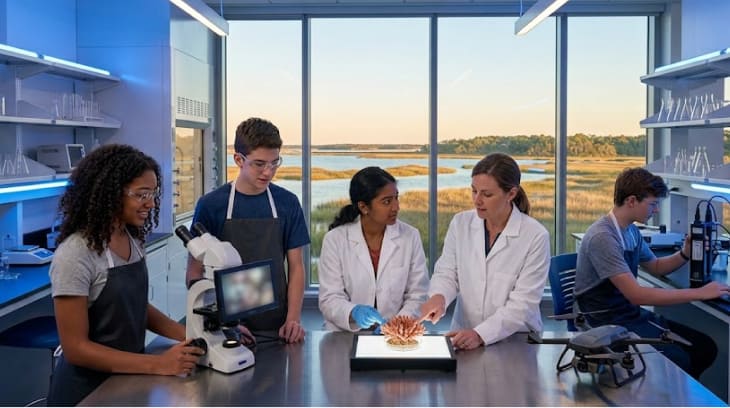
One of the program’s signature experiences includes educational visits to the Harte Research Institute for Gulf of Mexico Studies at Texas A&M University–Corpus Christi, where students interact with researchers studying marine ecosystems, coastal resilience, fisheries, and environmental conservation.
Exposure to professional laboratories and active research environments allows participants to see how classroom science connects directly to careers addressing real environmental challenges.
Young people interested in developing leadership through experiential learning can also explore our guide to STEM youth programs for additional opportunities that combine education, innovation, and community impact.
Industry and Nonprofits Create Meaningful Learning Opportunities
The partnership between ExxonMobil and Watersong Wild Space demonstrates how collaboration expands educational opportunities beyond what individual organizations could accomplish independently.
ExxonMobil contributes financial support and industry engagement while Watersong Wild Space provides environmental education expertise and program coordination.
Together, these organizations create learning experiences that introduce students to conservation careers while emphasizing responsible environmental stewardship.
Programs built through public-private partnerships also expose students to professionals working across multiple disciplines, including biology, ecology, engineering, environmental policy, sustainability, and resource management.
Students benefit from interacting with scientists, educators, conservation specialists, and community leaders who share practical knowledge about career pathways and higher education opportunities.
More information about conservation education and youth environmental initiatives is available through the National Park Service Youth Programs, which highlights opportunities for students to develop leadership through environmental stewardship.
Hands-On Learning Builds Leadership Skills
One of the defining strengths of the Conservation Job Corps is its emphasis on experiential learning.
Students participate directly in outdoor projects rather than observing environmental science from a distance.
Field experiences require participants to collect data, solve problems collaboratively, communicate observations, and adapt to changing environmental conditions.
These activities strengthen leadership qualities that employers consistently value.
Students learn how to:
- Collaborate within multidisciplinary teams.
- Analyze environmental challenges using scientific methods.
- Communicate findings effectively.
- Take responsibility for project outcomes.
Leadership develops naturally when young people work together toward shared goals while contributing to projects that benefit their communities and natural environments.
These experiences also encourage resilience, critical thinking, and confidence—qualities that remain valuable regardless of future career choices.
Environmental Careers Continue Expanding Across Texas
Texas supports one of the nation’s largest and most diverse environmental workforces.
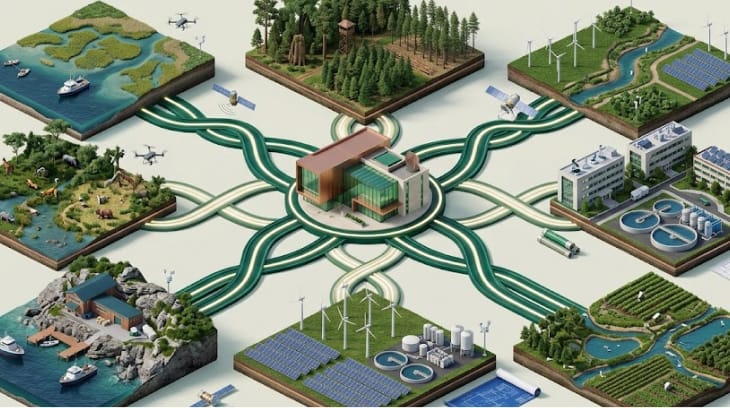
Growing demand exists for professionals specializing in wildlife biology, environmental engineering, water resource management, renewable energy, coastal restoration, forestry, conservation planning, and ecosystem science.
Programs like the Conservation Job Corps help students explore these fields before entering college or technical education programs.
| Career Field | Skills Students Explore |
|---|---|
| Environmental Science | Research, ecology, data collection |
| Marine Biology | Coastal ecosystems, biodiversity |
| Conservation Management | Habitat restoration, sustainability |
| Environmental Engineering | Problem-solving, resource management |
| Natural Resources | Field observation, environmental planning |
Early exposure allows students to make more informed educational decisions while discovering careers they may not have previously considered.
The program also illustrates that environmental careers extend well beyond traditional scientific research, incorporating technology, engineering, education, policy, communications, and community engagement.
University Partnerships Inspire Future Scientists
The educational visit to the Harte Research Institute provides students with valuable insight into university research environments.
Located within Texas A&M University–Corpus Christi, the institute conducts internationally recognized research focused on the Gulf of Mexico, fisheries, coastal resilience, and environmental sustainability.
By interacting with university researchers, students gain firsthand exposure to scientific careers while learning about ongoing conservation projects that address real-world environmental challenges.
These experiences often help students envision themselves pursuing higher education in STEM disciplines.
University partnerships also demonstrate how research institutions contribute directly to community education by making scientific knowledge accessible to younger audiences.
Additional information about marine and environmental research can be found through the Texas A&M University–Corpus Christi Harte Research Institute, which highlights ongoing work supporting Gulf Coast conservation and scientific innovation.
Stewardship Creates Stronger Communities
Environmental education benefits communities as well as individual students.
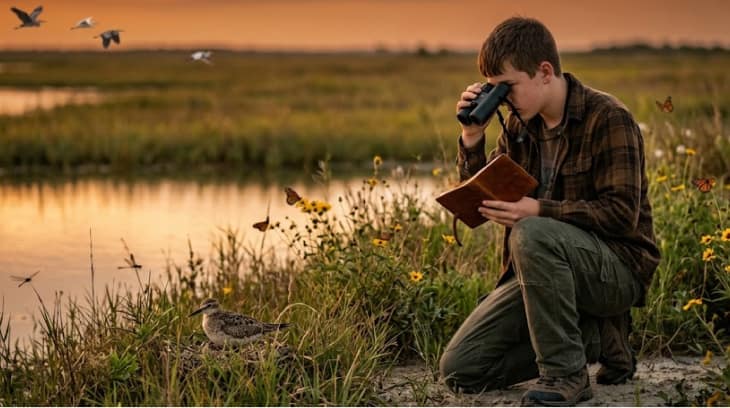
Young people who understand local ecosystems often become advocates for responsible resource management, environmental sustainability, and community improvement.
Programs centered on conservation encourage participants to recognize the relationship between healthy natural environments and healthy communities.
Students frequently continue volunteering with parks, conservation organizations, community cleanup projects, and educational outreach programs after completing similar initiatives.
These experiences strengthen civic engagement while encouraging long-term responsibility toward public spaces and natural resources.
Community service also reinforces leadership by demonstrating that meaningful change often begins through consistent local action.
By combining education with environmental stewardship, the Conservation Job Corps encourages students to view leadership as both professional development and community responsibility.
Preparing Students for Tomorrow’s Workforce
The Conservation Job Corps reflects a growing shift toward career preparation that integrates academic learning with practical experience.
Today’s employers increasingly seek candidates who combine technical knowledge with adaptability, collaboration, communication, and critical thinking.
Programs that expose students to authentic workplace environments help build these competencies before graduation.
Participants not only gain environmental knowledge but also develop transferable skills applicable across engineering, healthcare, technology, education, business, and public service.
The collaboration among ExxonMobil, Watersong Wild Space, educators, and university researchers demonstrates how cross-sector partnerships can strengthen workforce development while inspiring young people to pursue meaningful careers connected to science and community service.
As Texas continues investing in STEM education and environmental innovation, initiatives like the 2026 Conservation Job Corps offer a valuable model for preparing future leaders. By connecting students with researchers, conservation professionals, and hands-on field experiences, the program encourages curiosity, responsibility, and lifelong learning while helping young Texans discover how they can contribute to both their communities and the natural world.