
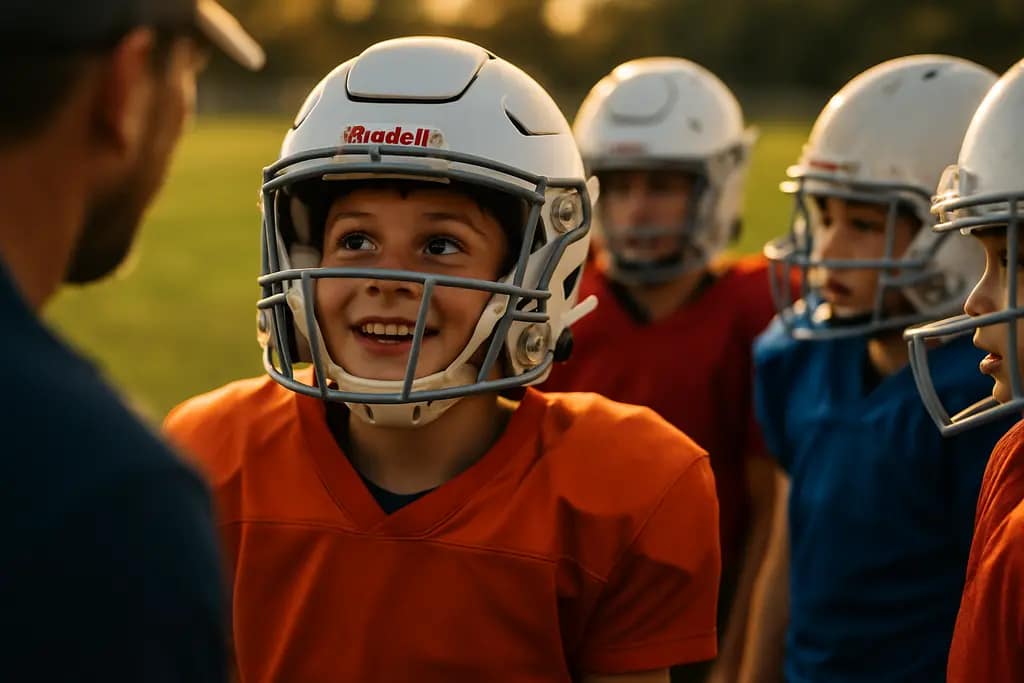
Bryan Youth Football has taken a meaningful step forward with the Bryan Youth Sports Association launching its first tackle football league for children in grades 4 through 6 in Bryan, Texas. The program is being led by Hall of Fame Division I head football coach Jackie Sherrill, and KBTX reported that the league includes a $100 athlete registration fee, scholarships for families in need, a custom mouthguard, and new player equipment such as Schutt youth helmets, shoulder pads, and pants with sewn-in padding KBTX league report.
For a community that cares deeply about school pride, neighborhood ties, and giving kids positive places to grow, this is more than another fall sports option. It is a program model built around access, structure, coaching presence, and shared responsibility. Tackle football asks a lot from a young athlete: listening, discipline, patience, courage, and respect for teammates. Those same habits can follow a child back into class, into family life, and into the wider community.
The timing also matters. As of September 14, 2026, fall registration has been open through the BYSA website, and the league schedule has been shaped around late-September, October, and November activity rather than the hottest part of the summer. That planning gives families a clearer picture of where and when the program fits into school routines, homework time, and evening transportation.
Why Bryan Youth Football Starts With Access
Bryan Youth Football For Grades 4-6
The grade range is one of the most important pieces of this launch. By focusing on fourth, fifth, and sixth graders, BYSA is serving athletes who are old enough to learn football structure but still early in their development. This age window can be powerful because players are forming ideas about effort, belonging, confidence, and what it means to be part of a team.
In many families, the barrier to youth sports is not interest. It is cost, gear, timing, transportation, or the feeling that a child is entering too late to catch up. The reported $100 registration fee, included mouthguard, and new equipment help answer some of those concerns. Scholarships for families in need are especially important because a community league should not be limited only to children whose families can easily absorb sports costs.
That access point connects with a wider truth about youth sports: participation depends on more than the game itself. Parents need clear schedules. Coaches need equipment standards. Athletes need a setting where learning is valued. Community partners need to see that their support reaches kids in direct, practical ways. For readers interested in the broader support system behind local leagues, our piece on community investment in youth sports looks at why resources around a program often decide whether children can stay involved.
Equipment As A Trust Builder
Football families notice equipment. Helmets, shoulder pads, pants, and mouthguards are not side details; they shape trust before the first drill begins. BYSA’s plan to provide new equipment gives parents a more consistent baseline. It also helps reduce the unevenness that can show up when families are left to find gear on their own.
That matters for player confidence, too. A child who receives team-issued gear can feel like they belong from day one. They are not borrowing random pieces or wondering if they showed up prepared. They can focus on stance, footwork, hand placement, play calls, and listening to coaches. In a youth setting, confidence often starts with simple signs that adults planned well.
Safety Planning Builds Family Confidence
Heat Guidelines And On-Site Trainers
Fall football in Bryan has to account for heat. The league’s safety plan includes following University Interscholastic League wet-bulb global temperature guidelines to monitor heat and humidity risk during practices and games, with trainers on site throughout, according to KBTX. That is a key piece of the program model because parents need to know the adults in charge are watching conditions, not just the clock.
For young athletes, safety planning can also teach self-awareness. Coaches and trainers can help players learn that hydration, rest, and speaking up are part of being a good teammate. That lesson is valuable beyond football. A child who learns to pay attention to their body and communicate clearly is building habits that support long-term participation in sports.
This approach also shows respect for families. Parents are asked to trust a new league with their children during a physically demanding sport. Clear heat protocols, trainer presence, and organized practice windows give families more reason to believe the program is being run with care.
Practice Windows That Fit School Life
The fall mini-camp sessions are scheduled for September 22, September 24, September 28, and October 1, 2026, at Stephen F. Austin Stadium from 6:00 to 7:30 PM. BYSA lists fall league practices from 6:00 to 7:30 PM at Stephen F. Austin Middle School Stadium on October 6, 8, 13, 15, 19, 22, 27, and 29, plus November 2, 5, 9, and 12, with games tentatively set for October 10, October 24, October 31, and November 7 at Merrill Green Stadium BYSA fall registration.
Those dates give the program a steady rhythm. A consistent evening window can help parents plan rides, meals, and homework time. It can also help coaches build progression into practices. Early sessions can focus on fundamentals, while later sessions can connect skills to team concepts and game settings.
For young players, repetition builds security. They begin to know where to go, what to bring, how practice flows, and how their coaches communicate. That kind of routine can make a new sport less intimidating, especially for children who have never played tackle football before.
Coaching Presence And Player Development
Learning From Experienced Football Voices
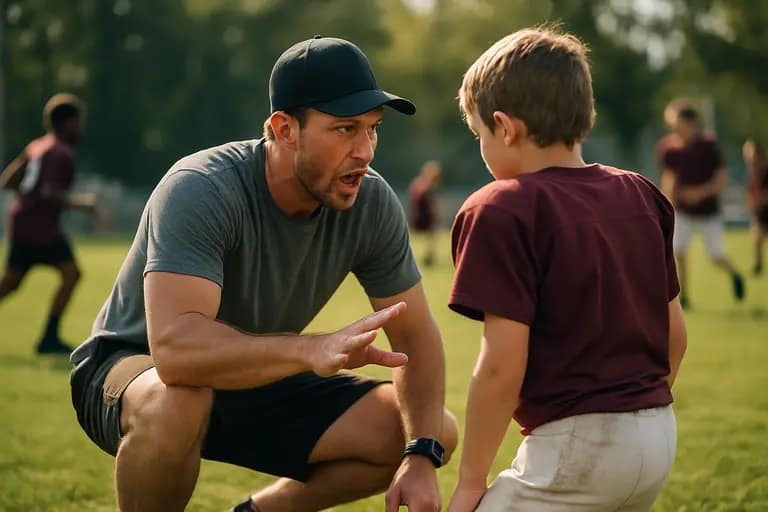
The presence of Jackie Sherrill gives the launch a clear football identity. His leadership does not mean fourth through sixth graders should be treated like college players. It means the program can draw from years of organized football knowledge while keeping the teaching level age-appropriate. That balance is the heart of strong youth development.
The summer pathway also matters. Before the fall league, a one-day combine and four days of mini-camps gave players an early introduction to drills, coaching language, and football expectations. The research notes show that legendary coaches and players from Texas A&M were part of those summer mini-camps. For children, that kind of exposure can make the sport feel connected to local football culture rather than separate from it.
Good youth coaching is not only about calling plays. It is about teaching kids how to respond after a missed block, how to encourage a teammate, how to line up again after confusion, and how to listen when they are tired. Those small moments are where sports can shape character. They are also where a league can become a community asset instead of just a schedule of games.
From Skills To Belonging
Bryan Youth Football can help children see themselves as part of something shared. A player may arrive shy, unsure of the rules, or nervous about contact. Over several weeks, that same child can learn how to take coaching, celebrate a teammate, and handle correction. Not every athlete will become a varsity starter someday, but every athlete can gain a stronger sense of effort and belonging.
That is why the launch deserves attention from more than football families. Schools, neighborhoods, and local partners all benefit when children have structured places to spend energy in positive ways. The field becomes a meeting point for parents who might not otherwise know each other. Coaches become trusted adults. Older football traditions become connected to younger students who are still finding their confidence.
What Bryan Youth Football Means For Local Kids
The launch of Bryan Youth Football is still new as of September 14, 2026, so its long-term impact cannot be measured yet. What can be seen now is the shape of the opportunity: a first tackle football league for grades 4 through 6, clear fall dates, named practice and game venues, new equipment, scholarship availability, heat-risk planning, and experienced leadership.
That combination gives Bryan a strong starting point. The next measure of success will be whether children feel safe, supported, challenged, and welcome. If families from many parts of the city can take part, and if coaches keep teaching both football skills and life habits, the league can become a steady part of the local youth sports pipeline.
For me, the most hopeful part is the way this program brings many pieces together around kids: city youth sports energy, school-age athletes, football mentors, trainers, family schedules, and community support. Bryan Youth Football is not just about learning how to tackle. It is about helping children learn how to prepare, listen, recover, lead, and stand shoulder to shoulder with teammates under Friday-night dreams that begin on a middle school field.