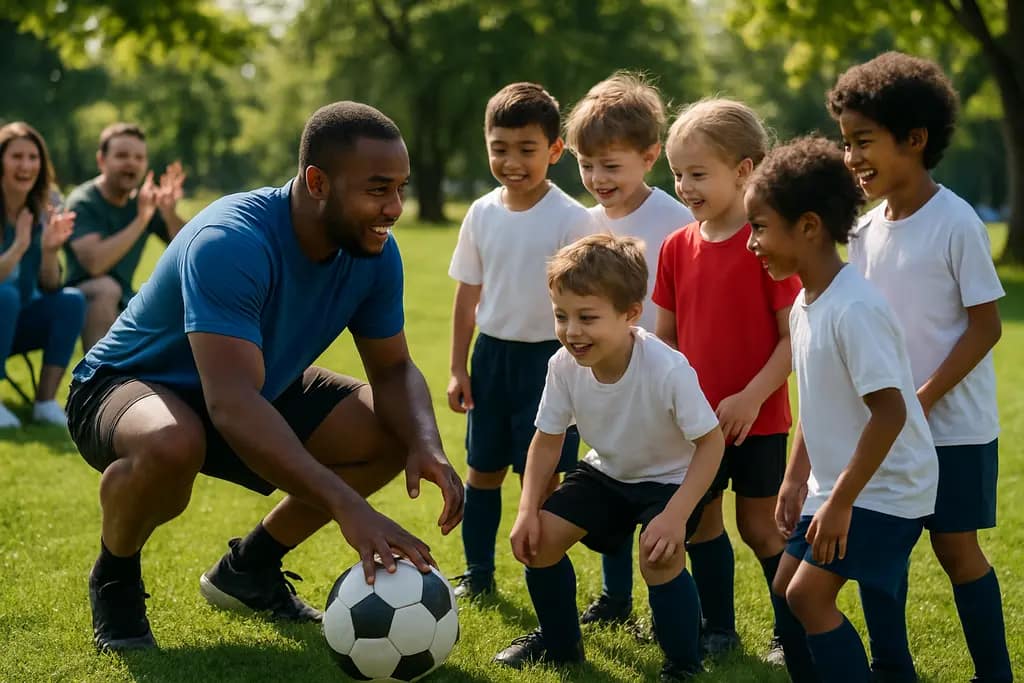
Houston Youth Sports is giving families a clearer path into organized play by placing free programs at the center of the 2026 youth calendar. As of August 27, 2026, the Houston Parks and Recreation Department listed several no-cost options, including a Youth Basketball Program for ages 9–14 that was running from August 3 through September 12, 2026, and ending with a September 12 tournament at Fonde Community Center HPARD youth sports schedule. For coaches, parents, and neighborhood partners, the meaning is bigger than a single season: free access helps more children enter team settings where practice habits, peer support, and positive adult guidance can grow together.
How Houston Youth Sports Builds Free Access
Free access works best when families can understand the schedule, age ranges, and location without needing special contacts or insider knowledge. HPARD’s 2026 calendar offers that kind of structure across basketball, soccer, flag football, and school-year enrichment. Soccer for Success, for example, is a free after-school program for ages 5–14 that serves approximately 1,500 youth through eight Houston-area sites, with Fall 2026 scheduled from September 14 through December 5, 2026, and registration listed from July 15 through August 31, 2026 city youth recreation details.
Houston Youth Sports Access Points For Families
The city’s program model gives families several entry points rather than one narrow doorway. A child who is not ready for a competitive travel team can still learn through a free city league. A younger player can start with after-school soccer. An older child may find a place in basketball or flag football. That range matters because children develop at different speeds, and inclusive coaching begins by meeting athletes where they are.
HPARD’s Youth Flag Football Program for ages 9–14 was scheduled for October 5 through November 7, 2026, with twice-weekly practices and an end-of-season tournament on November 7 at Gragg Park. Registration was listed for September 1 through October 25, 2026. HPARD also listed a free After-School Enrichment Program for ages 6–13, scheduled from September 3, 2026, through May 7, 2027. Together, these offerings show how recreation departments can connect a short season, a tournament goal, and school-year support without placing a fee at the front door.
Why No-Cost Entry Supports Belonging
The strength of Houston Youth Sports is not just that programs are free. It is that the model can help coaches build teams where attendance, effort, and care are treated as shared values. When cost is reduced as a barrier, a coach can focus more energy on welcoming first-time players, teaching safe fundamentals, and creating routines that help children feel known by name.
For many young athletes, the first practice sets the tone. A simple station rotation, a partner drill, and a closing team circle can teach more than the rules of a sport. Those moments show children how to listen, take turns, respond to feedback, and celebrate a teammate’s progress. Free programs become more effective when coaches pair access with a warm team culture.
Coaching Methods That Make Free Play Inclusive
Inclusive coaching is practical. It is not a slogan for a flyer; it is the daily work of helping every athlete take part with dignity. In a city program, that may mean offering beginner-friendly drills, using clear instructions, rotating positions, and making sure quieter players get meaningful touches during practice. It may also mean planning for children who arrive late because of transportation, siblings, or family work schedules.
Start With Skill Confidence
Young athletes are more likely to stay engaged when they can feel progress early. In basketball, that could mean practicing footwork before full-court play. In flag football, it may mean learning a handoff, route, or flag pull in small groups before a scrimmage. In soccer, coaches can use short passing games that let players repeat a skill many times without the pressure of a full match.
This approach supports both beginners and advanced players. Beginners gain confidence because the task is clear. Experienced athletes can become peer leaders by demonstrating skills, encouraging others, and learning patience. The coach’s role is to make effort visible so the team values growth, not only scoring.
Use Teams To Teach Community Habits
Sports programs have a unique place in youth development because they create repeated moments of shared responsibility. Players learn to arrive, warm up, listen, compete, cool down, and reset after mistakes. Coaches can turn those routines into lessons about school and community life by asking simple reflection questions: Who helped you improve today? What did you do when a play went wrong? How did the group respond when someone needed support?
Those questions are small, but they help children connect sport to everyday character. They also help families see that a recreation program is not just child care or a scoreboard. It can be a neighborhood setting where young people practice respect, leadership, and steady effort in front of caring adults.
Program Models Families Can Read Clearly
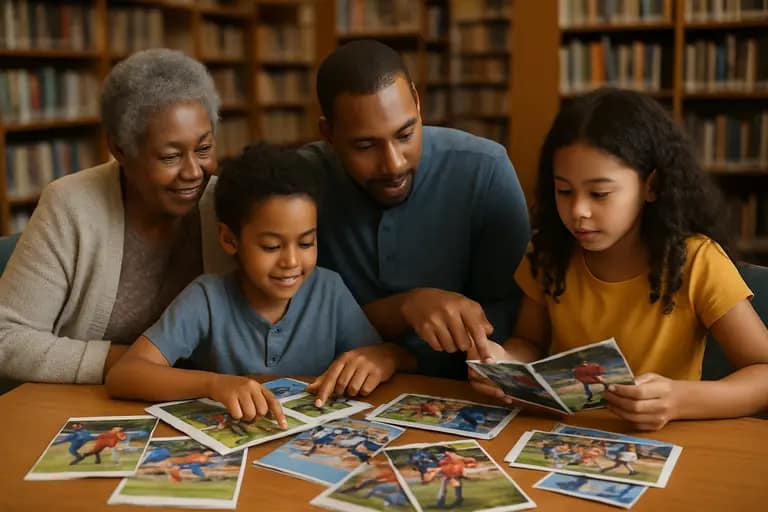
Clear dates and age ranges are part of equity. A family should be able to see who can register, when the season begins, when it ends, and where a final event will take place. The HPARD basketball and flag football examples show one useful structure: defined age groups, practice windows, and a tournament at the end. That gives young athletes a goal while giving parents a predictable calendar.
Baseball and softball add another piece to the citywide youth pipeline. The Astros Youth Academy, operated through MLB, offered free spring and summer baseball and softball opportunities in 2026. The Astros Nike Jr. RBI Free Spring League for ages 7–14 held evaluations from March 10–13, 2026, with league play from March 23 through May 1, 2026. Free summer camps for ages 7–17 ran from June 8 through June 26, 2026 Astros Youth Academy program page.
Those completed spring and summer dates matter because they show how free access can be spread across the year. A child might play baseball in June, join basketball in August, take part in after-school soccer beginning in September, and try flag football in October. Not every child will choose that full path, but the presence of multiple options gives families more ways to match a child’s interest, age, and schedule.
Partnerships Keep The Youth Pipeline Open
Public recreation and professional-sport youth programming serve different roles, but both can strengthen local access. City programs bring sports close to community centers and parks. MLB’s academy model brings baseball and softball instruction into a dedicated development setting. When families see multiple free doors into sport, the local youth pipeline becomes less dependent on private fees alone.
Community investment also matters because free programs still need coaches, facilities, equipment, communication, and safe practice time. For a related look at how local support shapes program success, see this discussion of community investment in youth sports. The same idea applies in Houston: access grows when schools, recreation staff, families, civic groups, and sports organizations all see youth development as shared work.
What Free Access Means For Houston Youth Sports
The clearest lesson from the 2026 program calendar is that Houston Youth Sports can support development when free access is paired with caring coaching and steady community presence. A no-cost season opens the door. Inclusive coaching helps children stay in the room, on the court, and on the field. Reliable schedules help families plan. End-of-season events give players a goal they can work toward with teammates.
For Houston neighborhoods, the value is also social. A free basketball tournament at Fonde Community Center or a flag football tournament at Gragg Park is more than a date on a schedule. It can bring parents, siblings, coaches, and neighbors together around young people’s effort. That kind of shared attention tells children that their growth matters to the whole community.
Houston Youth Sports should be judged not only by registration numbers or final scores, but by whether children feel welcomed, whether coaches have the support to teach well, and whether families can keep finding safe, free entry points into organized play. The 2026 programs show a practical model: publish clear opportunities, remove participation fees, use trusted local sites, and coach every athlete as someone with potential worth developing.