

Sports Mentoring gives a young athlete more than a place on a roster. It gives that young person a steady adult, a reason to keep showing up, and a team setting where effort, respect, and accountability can be practiced week after week. As Athletics & Beyond marks 21 years, the celebration is not just about seasons completed or games played. It is about the quiet wins that coaches, families, volunteers, and mentors see up close: a student learning to speak with confidence, a teammate choosing patience after a mistake, or a young person realizing that discipline on the court can carry into school and home.
As a coach and mentor, I believe the best youth sports programs are built on trust before trophies. The scoreboard can teach pressure, but the relationships around the game teach purpose. A young athlete may remember a big play, but they often carry the words of a trusted mentor much longer. That is why a 21-year milestone matters for a community program. It reflects commitment through many practices, many conversations, and many chances to help youth grow through sports and character development.
Why Sports Mentoring Still Matters
Sports Mentoring Builds Trust Through Practice
Effective Sports Mentoring starts in ordinary moments. A coach greets an athlete by name. A mentor notices when a student is quieter than usual. A teammate is asked to repair harm after speaking out of frustration. These moments may seem small, but they form the foundation of belonging. Young people need adults who are present, consistent, and willing to teach both skill and character.
The national investment in mentoring also shows that this work is seen as a serious youth development strategy. In fiscal year 2024, the Office of Juvenile Justice and Delinquency Prevention awarded more than $89.2 million in grants to increase mentoring opportunities for youth and improve mentoring program quality across the United States OJJDP mentoring grants. That public commitment lines up with what many community coaches already know: young people benefit when caring adults are trained, supported, and connected to programs that take youth development seriously.
Consistency Is A Coaching Skill
One of the strongest gifts a sports mentor can offer is consistency. Youth do not need perfect adults. They need adults who keep showing up, set clear expectations, and respond with fairness. In practice, that may mean holding every athlete to the same team standard, even when talent levels are different. It may mean praising effort in conditioning, not just points scored. It may mean teaching a young athlete how to apologize, reset, and return to the drill with a better mindset.
That kind of consistency helps a team become a safe learning space. When youth know the rules are fair and the adults are dependable, they are more willing to take healthy risks. They ask questions. They try new skills. They accept correction without feeling rejected. Over time, that atmosphere can shape stronger athletes and stronger students.
Turning Sports Mentoring Into Character Habits
From Team Rules To Life Skills
Sports give mentors a clear way to teach character because every practice creates real examples. Hustle can become a lesson about responsibility. Passing the ball can become a lesson about trust. Sitting on the bench can become a lesson about patience and readiness. A tough loss can become a lesson about emotional control. These are not abstract values to young athletes; they are lived experiences that happen while sweat is still on their jerseys.
Character development grows best when coaches name the lesson. If a player stays late to help clean up equipment, a mentor can connect that act to leadership. If a student-athlete encourages a teammate after a mistake, a coach can point out empathy. If a player responds to correction without shutting down, the adult can affirm resilience. Young people learn character faster when adults help them see the connection between the game and the person they are becoming.
- Respect is practiced when athletes listen before responding.
- Accountability is practiced when players own mistakes and make repairs.
- Leadership is practiced when older athletes guide younger teammates.
- Service is practiced when the team gives back to its school or neighborhood.
For communities building similar youth spaces, the lessons shared through community sports camps show how athlete mentorship can connect skills training with confidence, communication, and responsibility.
Why The Adult Example Matters
Young athletes watch adults closely. They notice how a coach speaks to officials, how a mentor handles a parent concern, and how staff respond when practice does not go as planned. Character development is strongest when adults model the same standards they ask from youth. Calm correction, steady encouragement, and honest feedback all teach young people what mature leadership looks like.
That adult example can also shape how young people view their own future. A mentor who asks about schoolwork, family responsibilities, or career interests sends a clear message: the athlete is valued as a whole person. That message can be especially powerful for youth who may not always hear it in other parts of life.
What Research Says About Sport-Based Growth
Social Skills Can Be Coached
Research on sport-based positive youth development supports what many coaches see in the gym and on the field. A randomized LiFEsports study assessed a four-week sport-based positive youth development intervention in summer 2025 among 78 youth with limited access to sport. Compared with controls, participants averaged a 10-percentile improvement in social skills, while controls declined by about six points LiFEsports study. That finding matters because it treats social skill growth as something that can be intentionally taught through sport, not left to chance.
The key word for coaches is intentional. A program can run drills all day and still miss the youth development opportunity if adults do not coach communication, cooperation, and decision-making. The ball is the tool, not the whole lesson. When mentors ask athletes to speak clearly in a huddle, listen to a teammate, or solve a conflict respectfully, they are building skills that support school, work, and family life.
Growth Needs Structure
Programs that want to build character through sports need structure that protects the mission. That means training adults before they lead youth, setting shared expectations for behavior, and creating routines that help every athlete know what comes next. Structure does not take the heart out of coaching. It gives young people a steady frame where they can grow.
Good structure also helps mentors respond with care rather than reaction. If a player misses practice, the first question can be about support, not punishment. If a young person acts out, the response can include accountability and guidance. The goal is not to excuse poor choices. The goal is to teach better ones in a setting where youth still feel connected.
Coaching Practices That Keep Youth Connected
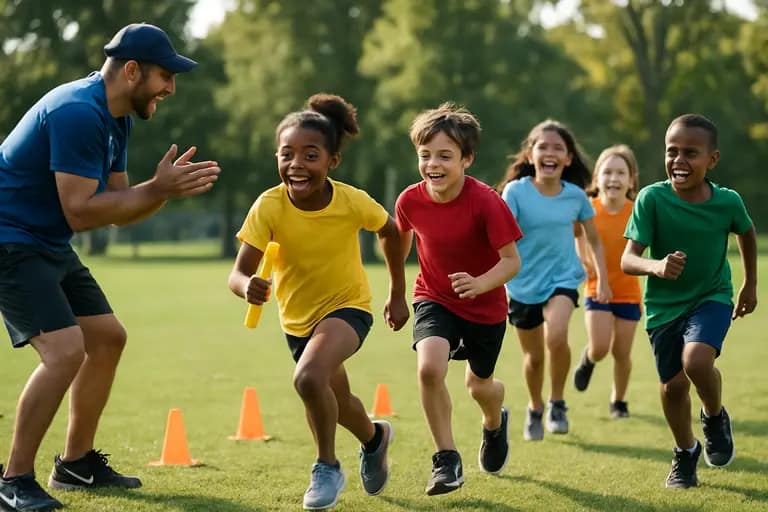
Belonging Before Performance
Athletes compete better when they know they belong. That does not mean every athlete gets the same minutes or the same position. It means every athlete is known, taught, and valued. A mentor can build belonging by learning each player’s goals, checking on school progress, and making room for different personalities within the team culture.
Belonging also helps families trust the program. Parents and caregivers want to know that coaches care about safety, effort, and character. When communication is clear and respectful, families become partners. That partnership can strengthen the link between the team, the school, and the neighborhood.
Celebrating The Right Wins
Anniversaries are a good time to celebrate championships, standout athletes, and memorable games. They are also a good time to celebrate the wins that may not appear in a record book. A student returning after a setback is a win. A quiet player leading warmups is a win. A team choosing service over self is a win. A young person learning to stay calm under pressure is a win.
When a program publicly values those moments, youth learn that character counts. They see that effort, care, discipline, and service are not side notes to athletic success. They are part of what success means.
What 21 Years Of Athletics & Beyond Means
Twenty-one years is enough time for a youth program to become part of a community’s memory. Former athletes become parents, volunteers, coaches, and neighbors. Younger players hear stories from older ones. Families begin to see the gym, field, or practice space as more than a venue. It becomes a place where people invest in the next generation.
That is why Sports Mentoring deserves to be celebrated with gratitude and renewed commitment. The work is personal. It happens one practice, one conversation, and one relationship at a time. Athletics & Beyond’s 21-year mark is a reminder that sports can help youth build confidence, character, and connection when caring adults keep the mission bigger than the game.