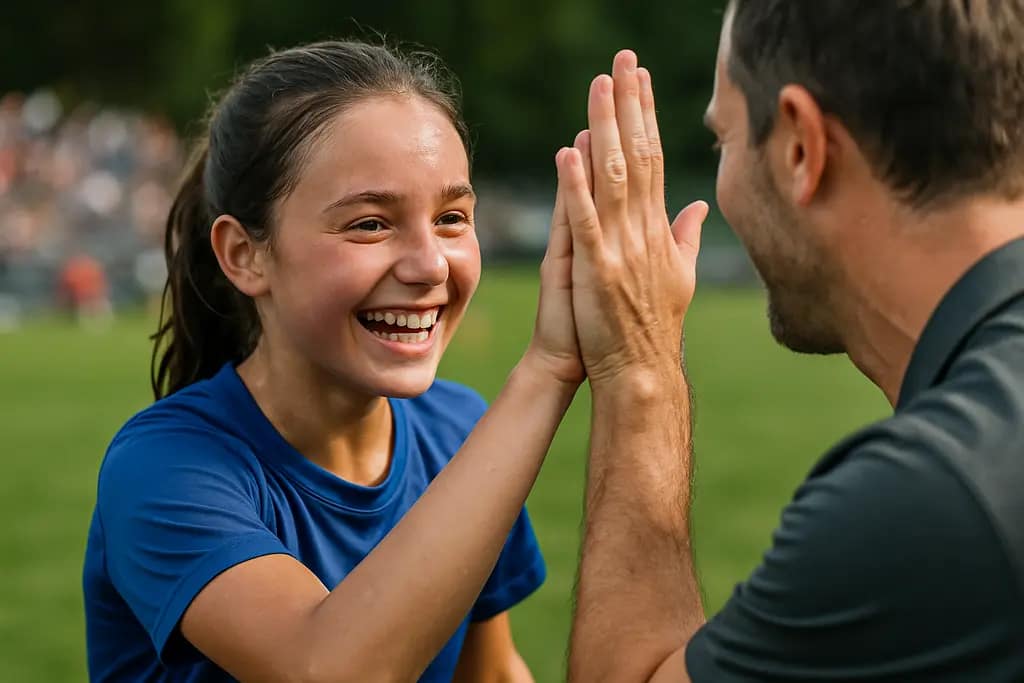
Positive Coaching Impact is best seen in the daily habits of coaches: how they speak after mistakes, how they define success, and how they help young athletes feel connected to a team. Positive Coaching Alliance, often called PCA, has reported clear reach through school-based workshops, coach training, and community sports partnerships. The strongest lesson from its recent data is simple and hopeful: youth sports can support personal growth when adults receive practical training and programs keep belonging at the center.
For families, school leaders, and community coaches, the value of this work is not limited to wins and losses. PCA data points to youth development outcomes tied to life lessons, coach retention, athlete retention, and school connection. Those areas matter because a sports program is often one of the most steady places where a young person meets caring adults, learns how to respond to pressure, and practices being part of a group.
Why Positive Coaching Impact Shows Up In Youth Development
Positive Coaching Impact Looks Like Daily Coach Behavior
PCA’s FY2023 impact survey reported that 79% of coaches said they increased their focus on using sports to teach life lessons, while 60% of organization leaders observed coaches doing so more often FY2023 impact summary. That finding matters because it shifts coaching from a narrow focus on instruction to a wider view of what young athletes need. A coach can still teach spacing, footwork, conditioning, or ball control, but the tone changes when effort, resilience, teamwork, and respect are named as part of the practice plan.
For a local team, that may look like a coach asking players what they learned after a close loss, giving quiet encouragement to a player who is still building confidence, or creating roles for athletes who are not yet starters. PCA’s data does not claim that every program uses the same method or sees the same result. It does show that workshop participants reported a stronger focus on life lessons after training, which gives youth sports leaders a useful signal about where coach education can help.
School-Based Reach In Miami-Dade County
One of the clearest examples came from PCA’s Great Minds-Great Athletes program in Miami-Dade County Public Schools in Florida. The program began in the 2020-2021 school year, and in 2023 it reached more than 14,000 student-athletes through nearly 300 PCA workshops across 45 schools. PCA reported that, in those schools, 90% of students are minorities and 55.2% are economically disadvantaged PCA Annual Report. Those numbers are significant for community sports because access to trained, positive adults should not depend on family income, school resources, or neighborhood opportunity.
In a school setting, coach training can reach far beyond the varsity athlete. It can touch middle school players learning how to manage competition for the first time, students who join a team to find friendship, and young people who need a stable routine after class. The Miami-Dade example also shows why inclusive coaching is not only about welcoming athletes at registration. It is about the full season experience: who feels seen, who keeps showing up, and who learns that sport can be a place for growth.
What Coaches And Program Leaders Reported
Retention Begins With A Better Team Climate
For youth sports leaders, Positive Coaching Impact is closely tied to whether adults and athletes want to stay involved. PCA’s FY2023 survey found that 62% of coaches said they were likely to continue coaching for longer, 67% expected greater retention of their athletes, and 75% of organization leaders anticipated greater retention of athletes in their organizations FY2023 impact summary. These findings are especially useful for community programs that depend on volunteer coaches, school staff, and families working together.
Retention is not only an operations issue. When athletes return, coaches get more time to teach, relationships deepen, and teams can build a healthier culture across multiple seasons. When coaches return, programs spend less energy starting over and more energy supporting athletes. PCA’s survey does not prove that one workshop alone keeps every coach or player in place. It does suggest that trained coaches and leaders connect positive coaching habits with stronger staying power.
Tools That Coaches, Parents, And Leaders Use
PCA also reported high use of its tools after workshops. More than 75% of coaches, leaders, and parents said they used PCA tools; 86% of coaches believed the tools helped them become better coaches; and 100% of leaders responding to the survey believed PCA tools improved their leadership FY2023 impact summary. The value here is practical. Training only helps if adults can bring it back to practice, parent meetings, team talks, and game-day adjustments.
Programs that want to build from this kind of data can focus on a few coach habits that are easy to observe and repeat:
- Use practice time to name one life lesson, such as effort after a mistake or support for a teammate.
- Give parents a shared language so sideline support matches the team culture.
- Ask leaders to check whether coaches are using the tools after the workshop, not only during training day.
- Invite athletes to reflect on what made them feel connected, respected, and ready to return.
Those steps are not a substitute for local planning, safe facilities, or fair access. They are coach-level actions that fit the evidence PCA reported: adults used the tools, and many believed the tools helped their leadership or coaching.
Equity, Belonging, And Community Connection
Oakland Data Points To Community Value
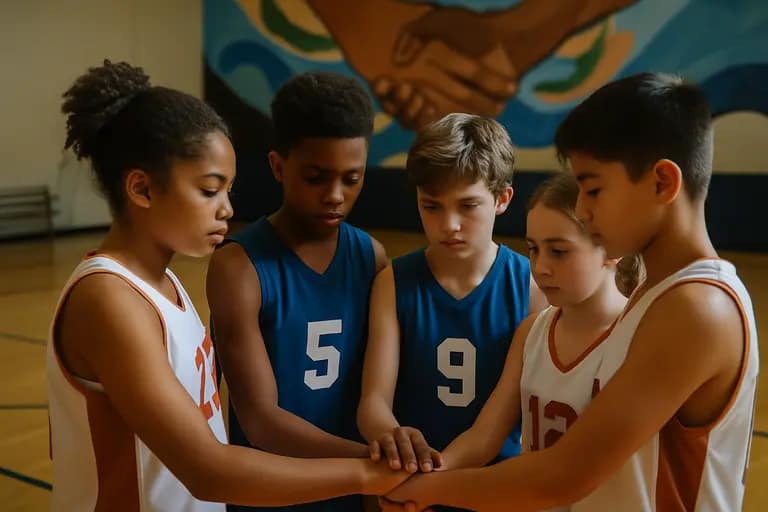
In Oakland in 2023, PCA’s Sports Equity Coalition helped create nearly 4,000 new youth sports opportunities. PCA reported that 72% of participants in those opportunities were low-income youth of color, 81% of youth reported a stronger connection with their schools and communities, and 80% said they formed supportive bonds with their coaches and increased their physical activity PCA Annual Report. These outcomes connect sports access with belonging, not just participation counts.
That distinction is meaningful for communities working to include more young people in organized sports. A new roster spot matters, but the experience after a player joins matters just as much. If a young athlete feels connected to school, has a supportive coach relationship, and becomes more physically active, the program is doing more than filling a schedule. It is helping build trust between families, schools, and local sports organizations.
Why Inclusive Coaching Needs Local Support
Inclusive coaching works best when the surrounding community supports it. Coaches need training, but they also need parents, athletic directors, school staff, and local organizations to reinforce the same values. For communities weighing barriers around fees, transportation, and family support, related coverage on youth sports access and affordability can help frame local conversations without losing sight of the coach-athlete relationship.
PCA’s 2023 national reach offers one way to understand scale. In 2023, PCA trained 3,685 coaches, impacted 55,275 kids, worked with 40 organizations, and reached 30 cities nationwide PCA Annual Report. Those figures show activity across many communities, but they also remind local leaders to ask what impact means in their own gyms, fields, and school hallways. A citywide number is useful; a young person choosing to stay on the team because a coach helped them feel valued is the local win families remember.
Positive Coaching Impact For Youth Development
What Local Programs Can Take From PCA’s Results
The recent PCA data gives youth sports programs a grounded way to talk about coach development. Positive Coaching Impact is not only a slogan for kinder sidelines. It is a framework for training adults to teach life lessons, strengthen coach and athlete retention, and create more welcoming team environments. The strongest supported findings from PCA’s 2023 materials point to reported changes among coaches, leaders, parents, and youth participants after workshops and community sports efforts.
For local school and community programs, the next practical step is to treat coach training as part of player development. A season plan can include skill progression, conditioning, and competition goals, while also setting expectations for communication, belonging, and post-game reflection. That approach respects sport as sport. Athletes still compete, coaches still teach, and teams still care about improvement. The difference is that development includes the person wearing the uniform, not just the stat line.
Used with care, Positive Coaching Impact can help communities build sports programs where young people feel challenged, supported, and connected. PCA’s reported impacts do not answer every local question, and each community still needs to measure its own participation, retention, and athlete experience. Yet the recent evidence gives coaches and leaders a hopeful starting point: when adults are trained to lead with purpose, youth sports can become a stronger setting for confidence, connection, and growth.