
Project Rampart success is a clear reminder that student-athletes need more than uniforms, schedules, and scoreboards. They need coaches who see the whole young person, schools that connect athletics with academics, and a community that believes sports can open doors. Under Armour’s Baltimore-based effort, launched in 2017, gives us a useful case study in how organized support around school sports can lift attendance, grades, graduation, confidence, and belonging.
As a community sports writer, I love stories where the gym, field, track, and classroom all point in the same direction. Project Rampart is especially relevant for coaches because its reported results are not framed only around wins. The program connects athletic participation with mentoring, academic support, facility investment, and shared school pride. That mix is where youth sports can become a steady source of growth for teenagers who are trying to balance school pressure, family responsibilities, friendships, and their own dreams.
What Project Rampart Success Shows Coaches
Project Rampart Success Starts With Coaches
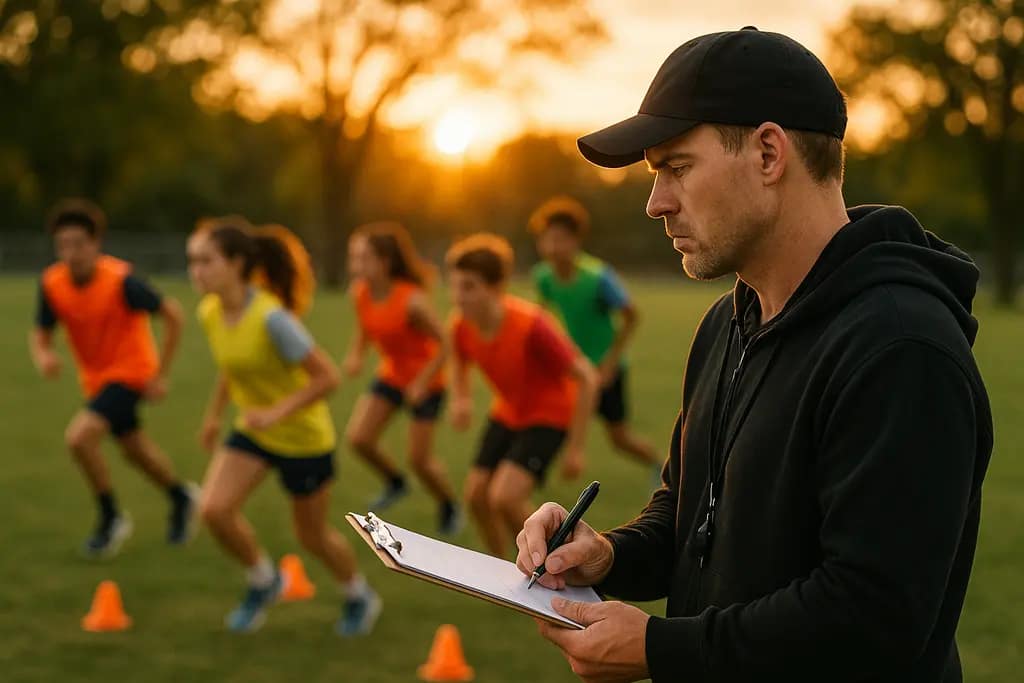
For coaches, the clearest lesson is that structure matters. Since 2017, Project Rampart has trained 1,831 coaches, according to Under Armour’s public reporting. That figure matters because a trained coach can influence far more than practice tempo. Coaches set expectations for attendance, model how to respond to mistakes, communicate with families, and help athletes see the link between daily habits and long-term goals.
The best youth coaches are culture builders. They notice the athlete who has stopped showing up on time. They encourage the student who is quiet after a hard school day. They make it normal to ask about grades before talking about playing time. The clearest sign of Project Rampart success is that the program treats coaching development as part of student development, not as a side project.
Academic Support Builds Trust
The program also places academic support close to the team experience. Under Armour reports that 17 Academic Athletic Coaches are present in participating schools to support academic progress and college or career readiness. That model is powerful because it removes the false choice between being an athlete and being a student. In a healthy school sports culture, the two identities strengthen each other.
This is where local programs can learn from the approach. A coach does not need a national brand partnership to ask better questions, celebrate classroom effort, or connect athletes with tutoring. Community leagues and school teams can also build mentoring habits into weekly routines. For families interested in that deeper kind of growth, our piece on sports camps teaching leadership shares a similar message: young athletes benefit when adults teach character with the same energy they bring to skill work.
The Numbers Behind Student-Athlete Growth
Graduation, GPA, And Attendance
The reported academic outcomes help explain why Project Rampart success has gained attention. In 2026, participants recorded a 97.5% graduation rate, more than 12 percentage points above the citywide average. The same cohort reached a cumulative 3.01 GPA, compared with a 2.18 average among non-athletes in Baltimore City high schools. Participants also maintained an 87.7% attendance rate, more than 12 percentage points higher than the citywide average, according to the Under Armour impact report.
Those numbers do not mean athletics alone caused every outcome. Student success is shaped by families, teachers, school leaders, counselors, peers, and personal determination. Still, the data shows a strong pattern worth respecting: when school sports are paired with mentoring and academic attention, young people can experience a stronger connection to school.
Attendance is especially meaningful from a coaching viewpoint. A student who shows up more often has more chances to learn, build relationships, and receive support before a problem grows. For a teenager, being expected at practice after school can create a daily reason to stay connected. That dependable rhythm can be one of the quiet strengths of sports-based youth development.
How Facilities And Uniforms Shape Belonging
Safe Spaces Send A Message
Project Rampart has also invested in the physical side of school sports. Since 2017, 81 athletic facilities across Baltimore City have been refurbished. For student-athletes, a refreshed court, field, locker room, or training space is not only about appearances. It tells young people that their effort is valued. It tells families that their children deserve safe spaces. It tells the neighborhood that school sports are part of community pride.
Facilities can affect participation in practical ways, too. If a field feels safe, if equipment is available, and if a team has a consistent place to practice, students have fewer barriers between interest and involvement. Coaches can plan better sessions. Families can feel more comfortable attending. Schools can host events that bring classmates, parents, alumni, and local supporters together.
Uniforms Help Teams Feel Seen
Under Armour also reports that it provides uniforms to all participating city teams, equipping more than 4,000 student-athletes to compete. A uniform cannot teach discipline by itself, but it can help a young athlete feel part of something larger. For many students, putting on a school jersey is a proud moment. It says, “I belong here.”
That sense of belonging can be a bridge to stronger school identity. A student may first join because of basketball, soccer, track, football, volleyball, or another sport. Over time, the team can become a reason to care more about class attendance, school events, and personal conduct. This is where Project Rampart success connects sports to the broader life of a school.
What Local Youth Programs Can Learn

Mentorship Should Be Built Into The Schedule
One of the strongest takeaways for local programs is simple: mentorship should not depend on spare time. It should be part of the schedule. If coaches, athletic staff, and volunteers set aside regular moments for leadership lessons, grade check-ins, goal setting, and reflection, young athletes learn that personal growth is part of being on the team.
Project Rampart also points to the value of bringing many supports under one team-centered umbrella. Training coaches, improving facilities, offering academic guidance, and equipping athletes all help reduce friction for students. Each piece may look small on its own, but together they create a more welcoming path into school sports.
Communities can also adapt this idea through partnerships. Local colleges, health providers, alumni groups, recreation departments, and businesses may be able to support physicals, transportation, gear drives, or mentoring events. A program does not need to copy every part of Project Rampart to apply the principle: remove barriers, raise expectations, and surround students with adults who care.
Leadership Grows Through Repetition
Sports teach leadership best through repeated moments. A captain encouraging a younger teammate, a runner finishing a hard workout, or a bench player staying engaged during a close game can all build maturity. Our article on athlete mentorship in community sports camps looks at this same idea: young people often learn responsibility by watching older athletes and trusted adults live it out.
For coaches, that means every practice is a teaching space. The drills matter, but so does the language around the drills. Are athletes learning to listen? Are they learning to respond to correction? Are they learning to support teammates who are struggling? These daily habits are part of the lasting value of school sports.
Why Project Rampart Success Matters For Local Teams
Project Rampart success matters because it gives local teams a hopeful model without pretending that one program can solve every challenge. The reported gains in graduation, GPA, attendance, coach training, facility improvements, and athlete support show what can happen when sports are treated as part of youth development rather than an after-school extra.
For Baltimore student-athletes, the impact described by Under Armour is tied to real school experiences: showing up, practicing, competing, studying, receiving support, and being celebrated. In June 2026, Under Armour hosted more than 800 Baltimore City student-athletes at its global headquarters for the annual Project Rampart Student-Athlete Celebration, where participants received free sports physicals, athletic equipment, and health resources. Events like that can make young people feel seen beyond the scoreboard.
For other communities, the call is practical. Train coaches. Protect safe places to play. Connect athletes with academic guidance. Make uniforms and equipment accessible. Invite families into the life of the team. Celebrate effort in the classroom and on the field. If local leaders take those steps seriously, the spirit behind Project Rampart success can travel far beyond one city and help more young athletes feel ready for the next season of life.