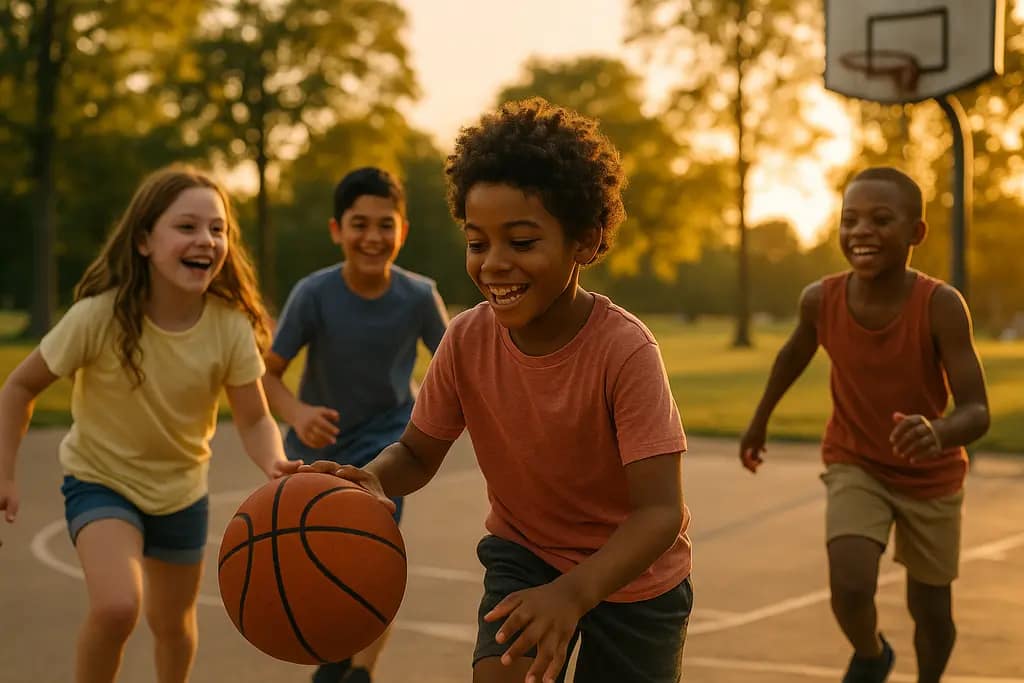
Game Time programs show how a sports-first model can give young people more than practices, games, and tournament weekends. In Tacoma and nearby communities, the work is built around a simple but powerful idea: the court can become a place where youth feel seen, families find support, and coaches help connect athletic growth with school, wellness, and belonging.
Game Time is a Tacoma-based nonprofit that serves more than 3,000 youth each year across seven cities, with programs that include sports, after-school enrichment, mental wellness, academic recovery, mentorship, family engagement, and partnerships with groups such as the City of Tacoma and Tacoma Public Schools, according to Game Time’s about page. Those details matter because they show a program model rooted in local relationships, not only athletic schedules.
Why Game Time Programs Fit Tacoma’s Youth Needs
Tacoma’s sports culture is strongest when local gyms, schools, families, and mentors work together. Youth sports can create routine, positive peer connection, and a trusted adult network. For Logan Pierce, the most promising models are the ones that treat sports as the entry point, then keep building around the full life of a young person. That is the value of Game Time programs: basketball or training may bring a student through the door, but support can continue through study habits, emotional health, family participation, and community connection.
How Game Time Programs Start With Access
Access is the first test for any youth sports effort. If a family cannot reach a safe space, cannot find a trusted program, or cannot connect with coaches who understand local barriers, talent can fade before it has a chance to grow. Game Time programs address that challenge by placing sports inside a wider support system. The model does not separate the athlete from the student, the family member, or the neighbor. It treats each role as part of the same young person.
This approach also helps explain why community sports programs can shape young leaders in underserved areas. Leadership often starts with simple repeated experiences: showing up on time, listening to feedback, responding to a hard loss, helping a teammate, and learning how to ask for help. Those moments are small on a practice calendar, but they can be big in a young person’s development. For related perspective, Youth Rise has covered how community sports programs shape youth leadership through trusted local spaces and steady adult guidance.
Partnerships That Keep Youth Close To Support
Partnerships are not side details in this work. They are part of the operating model. When a nonprofit connects with schools, city partners, and families, support can follow youth across more parts of their week. A coach may notice a student struggling with confidence. A family engagement effort may help a caregiver feel less alone. A school partner may understand which students need academic recovery support. The strongest community sports models bring those signals together while keeping the young person at the center.
A Sports Model Built Around Whole-Child Support
The most encouraging part of the Game Time model is that it does not ask sports to do everything alone. Sports create the invitation. The wider program structure creates the follow-through. That distinction matters because young athletes often carry pressures that do not show up in a box score: school stress, family needs, mental health concerns, transportation gaps, or limited access to mentors.
The Five-Pillar Structure Behind The Work
Game Time describes a Five-Pillar Model that addresses physical, emotional, and intellectual needs through mental wellness forums, academic recovery programs, equitable access mentorship, family engagement initiatives, and sports and health programs. Those pillars give the organization a clear way to connect athletic participation with youth development. They also give families and partners a common language for what the program is trying to support.
- Sports and health: creating structured athletic experiences that can build discipline and confidence.
- Mental wellness: making room for emotional health as part of youth support.
- Academic recovery: connecting sports participation with school progress.
- Mentorship and access: helping youth connect with trusted adults and fair opportunities.
- Family engagement: bringing caregivers into the support circle around young athletes.
This structure is especially helpful because youth sports can become fragmented when each need is treated separately. A young person may practice at one site, attend school somewhere else, and seek support in another place entirely. A pillar-based model can help a nonprofit keep those pieces aligned without losing the sports identity that draws many youth in first.
Coaching Spaces That Connect School And Wellness
Coaches in programs like this are not only teaching footwork, spacing, conditioning, or defensive communication. They are often helping young people learn how to handle pressure. A missed shot, a hard drill, or a tough tournament matchup can become a lesson in emotional regulation. A team meeting can become a chance to practice accountability. A study-support connection can remind an athlete that school progress and athletic progress belong together.
That is why community investment in youth sports matters. Facilities, coaches, mentors, and family outreach require sustained support. Without that support, sports programs can become too dependent on volunteer energy alone. With it, a gym can become a stable setting where youth return week after week and build trust over time.
The Lakewood Facility And Pierce County Access

Game Time’s next facility plan points to a larger vision for Pierce County. The organization plans to open a 22,000-square-foot multi-sport complex in Lakewood in early 2026, with three full-sized courts, a weight room, and a learning center focused on academics, mentorship, and mental health support, according to the Lakewood facility report. The same report describes the site as a planned community hub that could include senior citizen programs, adaptive sports clinics, league games, and tournaments.
Courts, Learning Space, And Community Use
The planned Lakewood site gives Game Time programs a clearer physical home for the mix of athletics and support services described in its model. Three courts can support practices, league play, clinics, and tournament activity. A weight room can support training and health programming. A learning center can connect sports participation to academic and mentorship needs. That mix is significant because it places player development and personal development in the same venue.
For families, that kind of facility can simplify access. Instead of seeing sports, learning, and wellness as separate appointments, a young person may be able to connect with several supports through one trusted organization. For coaches, a shared facility can strengthen communication. For community partners, it can create a central place to coordinate youth services and events.
Why Venue Planning Matters For Families
Venue planning is often treated as a sports operations issue, but for families it can affect participation. Location, court availability, program timing, and the presence of learning space can influence whether a student is able to stay involved. In Pierce County, a multi-use sports site also has the potential to bring together different age groups and ability levels through senior programming, adaptive clinics, games, and tournaments. That broad use can help a sports facility feel like a community asset, not only a place for elite competition.
Plans can change as opening work continues, so the most responsible reading is cautious optimism. The reported facility details point toward a program model that values access, training, academics, mentorship, and wellness under one roof. If delivered as described, the Lakewood site would give local families another structured place to connect youth sports with wider community support.
What Game Time Programs Mean For Tacoma Youth
For Tacoma youth, the promise of this work is not only a better jump shot or a stronger tournament schedule. It is the chance to belong to a team, meet adults who expect growth, and connect athletic effort with school and personal goals. Game Time programs offer a local example of how sports can become a steady point of contact between young people and the broader community.
The bigger lesson is practical. Communities do not need to choose between competitive sports and youth support. They can build models where both strengthen each other. A young athlete can train hard, learn how to lead, receive academic encouragement, talk about wellness, and see family members welcomed into the process. That is the kind of sports infrastructure that can help neighborhoods feel more connected and give young people more reasons to keep showing up.