Communities thrive when young people have opportunities to learn how local government works, understand public service, and see themselves as active participants in solving real challenges. Across the United States, nonprofit organizations, schools, and civic institutions continue investing in youth leadership experiences that encourage students to become informed, engaged, and confident members of their communities.
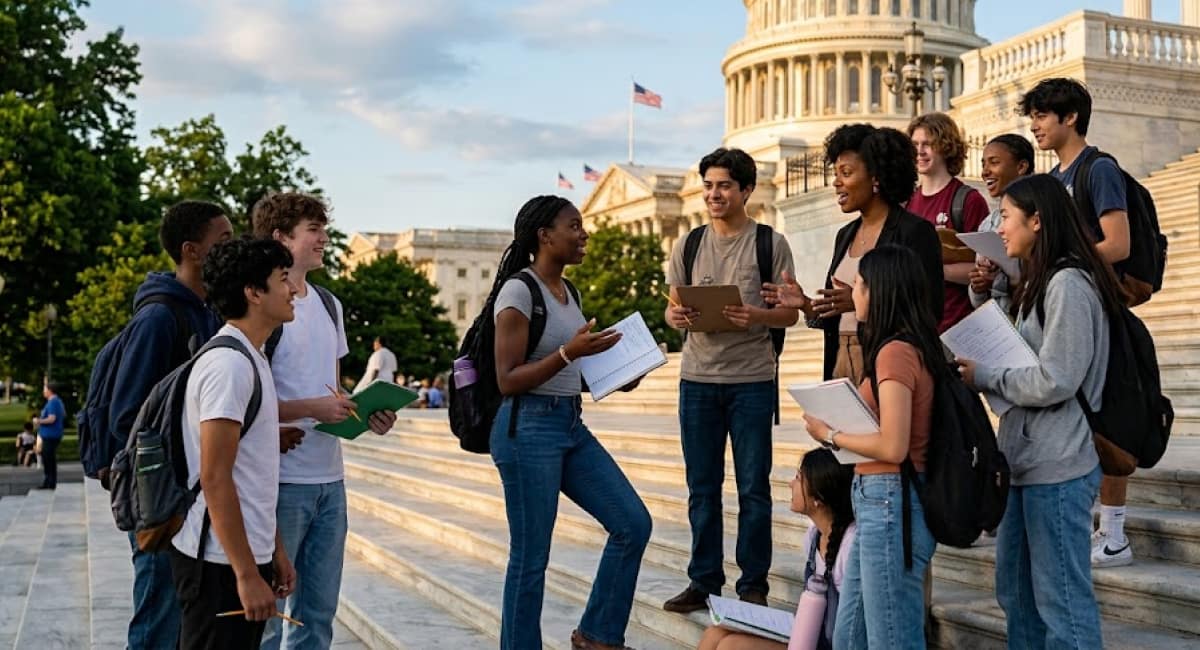
That commitment was highlighted in June 2026 when the Urban League of Broward County sent ten student leaders to Washington, D.C., for an immersive civic engagement experience. The initiative introduced participants to the nation’s democratic institutions while connecting classroom learning with practical leadership experiences. The program reflects a broader national effort to help young people understand how civic participation creates stronger neighborhoods and more responsive communities.
Research continues to support this approach. According to the Center for Information & Research on Civic Learning and Engagement (CIRCLE), young people who participate in civic education and community service are more likely to vote, volunteer, and remain engaged in local issues throughout adulthood. Experiences that combine education with direct exposure to public institutions can influence leadership development long after students return home.
Washington, D.C. Became a Classroom for Future Community Leaders
The Urban League of Broward County selected ten youth leaders to participate in a multi-day civic leadership experience in Washington, D.C., during June 2026. Students visited historic landmarks, met with elected officials, explored federal institutions, and participated in educational activities focused on civic responsibility and public leadership.
The experience introduced participants to the practical side of government by allowing them to observe how public policies affect communities across the country. Rather than limiting civic education to textbooks, the program encouraged students to ask questions, examine different perspectives, and understand the responsibilities shared by citizens and public servants alike.
Programs like this help transform government from an abstract subject into something students can connect with personally. Meeting policymakers, touring national institutions, and engaging in structured discussions allows young people to recognize that leadership begins long before holding elected office.
Civic Education Builds Skills That Extend Beyond Government
Youth leadership initiatives centered on civic education produce benefits that reach far beyond politics. Students develop communication skills, critical thinking, collaboration, and confidence while learning how to evaluate information and participate respectfully in public discussions.
The following table illustrates how civic leadership experiences contribute to youth development.
| Civic Leadership Experience | Youth Development Outcome |
|---|---|
| Meeting community leaders | Greater confidence in communication |
| Visiting public institutions | Better understanding of government processes |
| Participating in policy discussions | Stronger critical thinking skills |
| Collaborative projects | Improved teamwork and problem-solving |
| Community service activities | Increased sense of responsibility |
Many employers value these same skills. Communication, leadership, ethical decision-making, and collaboration consistently rank among the most desirable workplace competencies, making civic engagement an investment that benefits students both personally and professionally.
Families and educators often recognize another important outcome: students return with a stronger appreciation for their own communities and a clearer understanding of how local action contributes to broader change.
Community Organizations Continue Expanding Leadership Opportunities
The Urban League has served communities across the United States for more than a century by supporting education, workforce development, economic opportunity, and youth success. Local affiliates continue adapting their programming to meet the changing needs of students while maintaining a strong emphasis on leadership and community service.
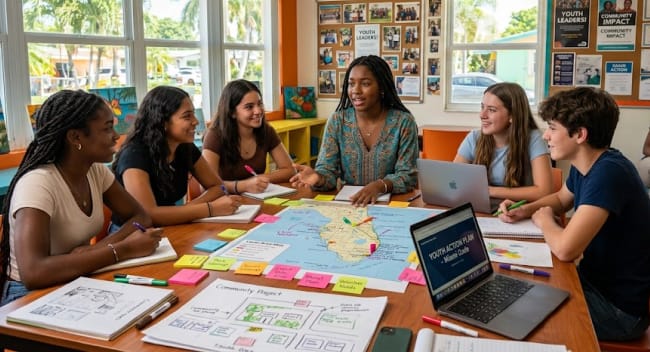
Organizations like the Urban League demonstrate that civic education does not happen only inside classrooms. Nonprofits create opportunities for students to participate in leadership conferences, mentoring programs, internships, public speaking experiences, and community improvement projects throughout the year.
National organizations have reached similar conclusions. The National Conference on Citizenship continues highlighting the value of civic participation as a foundation for healthy communities and long-term democratic engagement.
Youth organizations frequently partner with schools, local governments, businesses, and volunteers to provide meaningful learning experiences that connect academic knowledge with real community challenges.
Why Early Civic Engagement Matters
Young people who understand how communities function are often more prepared to identify problems and contribute practical solutions. Exposure to civic leadership during middle school and high school creates familiarity with processes that many adults only encounter later in life.
Students who participate in civic programs often develop:
- Greater confidence when speaking publicly.
- Better understanding of local government.
- Stronger commitment to volunteer service.
- Increased awareness of community needs.
- Leadership skills that transfer into school, careers, and everyday life.
These outcomes align closely with national recommendations promoting civic readiness as part of a well-rounded education. Schools increasingly recognize that academic achievement and community engagement work together to prepare students for adulthood.
Families play an important role in reinforcing these lessons by encouraging volunteer work, community discussions, and participation in local events outside the classroom.
Readers interested in additional examples of youth leadership initiatives can explore Youth Rise Texas’ resources on student leadership programs.
Real-World Experiences Create Lasting Impact
Classroom instruction provides valuable knowledge, yet many leadership skills develop most effectively through direct experience. Visiting Washington, D.C., gave Urban League participants an opportunity to observe institutions they had previously studied only through books or media.
Educational travel creates memorable learning moments that encourage curiosity and civic responsibility. Students often return with new questions, broader perspectives, and increased motivation to contribute within their own schools and neighborhoods.
The value extends beyond the trip itself. Participants frequently share what they learned with classmates, family members, and community organizations, multiplying the educational impact throughout their local communities.
Programs that include mentorship before and after these experiences strengthen long-term outcomes by helping students connect new knowledge with future educational and career goals.
Building the Next Generation of Community Leaders
Communities benefit when leadership development begins early. Students who understand collaboration, public service, ethical leadership, and civic responsibility often become volunteers, educators, nonprofit leaders, business owners, and public servants who strengthen the places where they live.
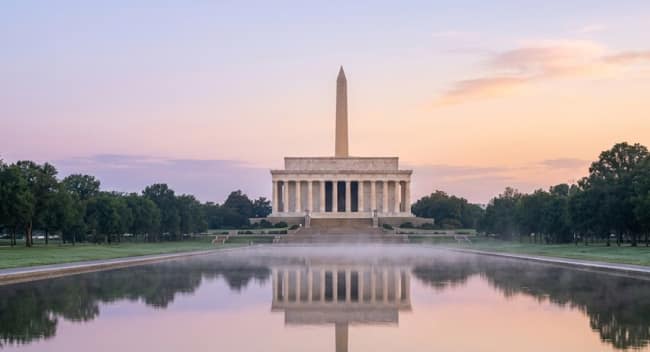
The Urban League of Broward County’s recent civic engagement experience demonstrates how nonprofit organizations continue investing in young people through practical learning opportunities. By introducing students to government institutions, encouraging thoughtful discussion, and connecting education with community service, these programs help prepare future leaders who understand both their rights and their responsibilities.
Across the country, similar initiatives continue showing that leadership grows through experience, mentorship, and active participation. Every opportunity for young people to serve, learn, and engage with their communities contributes to a stronger future for schools, neighborhoods, and the next generation of civic leaders.