
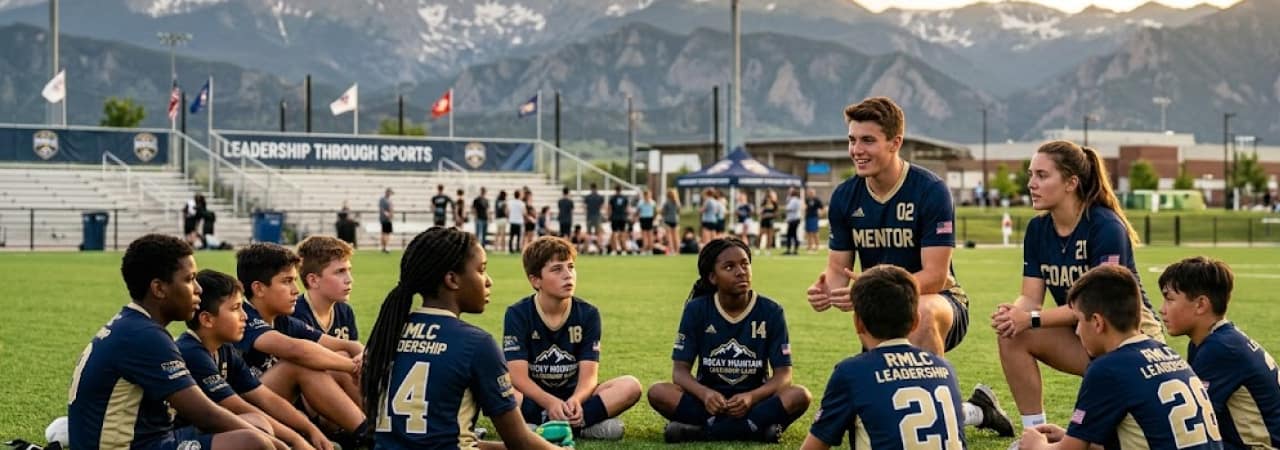
Across the United States, youth sports camps are gaining recognition for something that extends far beyond athletic performance. What once served primarily as an opportunity to improve technical skills has evolved into a powerful platform for leadership development, character education, and personal growth.
A recent example can be found at the U.S. Air Force Academy in Colorado Springs, Colorado. In June 2026, the Academy launched its 46th year of summer sports camps, welcoming more than 3,000 young athletes from across the country. The camps involve approximately 80 Air Force cadets who serve as instructors and mentors, introducing participants to principles such as integrity, service, accountability, and teamwork.
Programs like these illustrate a growing trend within youth development. Sports camps are increasingly viewed as environments where young people can develop the personal qualities needed to succeed in school, careers, and community leadership roles.
Why Character Development Is Becoming a Core Mission
Youth sports organizations have spent decades focusing on athletic achievement. Today, many camp directors recognize that sports provide a practical setting for teaching life skills that remain valuable long after a season ends.
Competition naturally creates opportunities for young athletes to experience success, disappointment, adversity, and teamwork. These situations allow coaches and mentors to introduce lessons about responsibility, perseverance, respect, and self-discipline.
The educational value of sports has attracted attention from organizations throughout the country. Research highlighted by the Aspen Institute Project Play continues to demonstrate the connection between quality youth sports experiences and positive developmental outcomes.
Character development does not occur through lectures alone. It emerges through repeated actions, interactions, and decisions. Sports camps provide daily opportunities for participants to practice these behaviors in real-world situations.
Whether an athlete is helping a teammate, responding to a mistake, or showing respect for opponents, each experience contributes to personal growth.
Leadership Lessons Are Built Into Everyday Activities
Many young people associate leadership with team captains, coaches, or authority figures. Sports camps often challenge that perception.
Leadership frequently appears through simple actions. Arriving prepared, encouraging teammates, listening actively, and maintaining a positive attitude during difficult moments all demonstrate leadership qualities.
The Air Force Academy camps intentionally emphasize these concepts. Cadets who mentor participants share lessons learned through military training and academic experiences. Their role extends beyond athletic instruction to include discussions about service, responsibility, and decision-making.
The value of this approach lies in its practicality. Participants do not simply hear about leadership. They experience it through team exercises, group challenges, and interactions with mentors.
| Camp Activity | Leadership Skill Developed |
|---|---|
| Team competitions | Collaboration |
| Skill development drills | Discipline |
| Mentor discussions | Accountability |
| Group problem-solving activities | Communication |
| Community-focused projects | Service mindset |
Young athletes often discover that leadership involves influence rather than authority. The ability to support others, contribute positively, and remain dependable frequently has a greater impact than any formal title.
The Role of Mentorship in Youth Development
Strong mentorship remains one of the most valuable aspects of community and institutional sports camps.
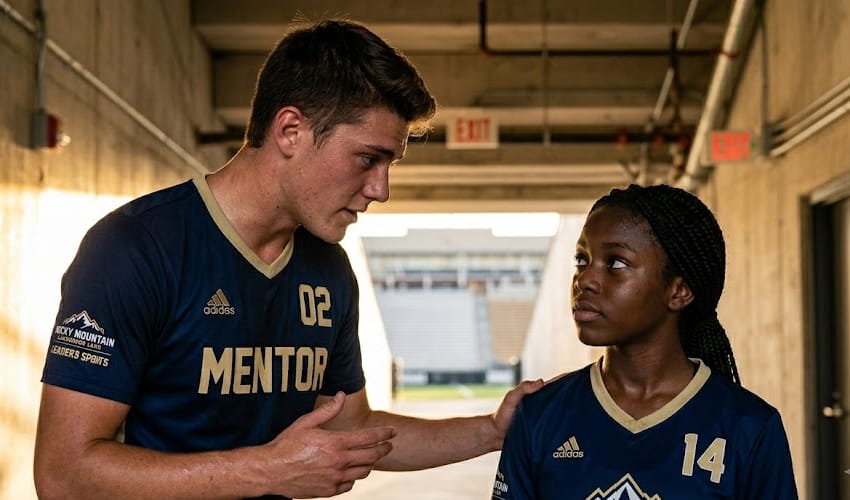
Young people benefit from interacting with individuals who have successfully navigated challenges and achieved meaningful goals. Mentors provide examples that help participants connect effort with results.
The cadets involved in the Air Force Academy camps serve as relatable role models. Many are only a few years older than the campers themselves, making their experiences particularly relevant and accessible.
Mentorship programs create opportunities for conversations that extend beyond athletics. Participants ask questions about academics, career goals, personal setbacks, and future aspirations.
Many youth development organizations recognize the impact of these relationships. Programs centered on student leadership growth consistently emphasize mentorship as a key factor in building confidence and resilience.
These interactions often leave lasting impressions. A brief conversation with a trusted mentor can influence decisions, attitudes, and ambitions for years to come.
Sports Camps Create Safe Environments for Growth
Growth rarely occurs without challenges. Sports camps provide structured environments where young people can encounter obstacles and learn how to respond constructively.
Participants are encouraged to try new skills, compete against unfamiliar opponents, and work alongside peers from different backgrounds. These experiences require adaptability and emotional maturity.
Failure becomes part of the learning process. Missing a shot, losing a game, or struggling during a drill provides opportunities to practice resilience.
The Positive Coaching Alliance has long promoted the concept that youth sports should focus on developing better athletes and better people. Their work highlights how supportive coaching environments help young participants learn from mistakes rather than fear them.
Sports camps that prioritize personal development often create cultures where effort, learning, and character receive as much recognition as athletic achievement.
This shift helps participants view challenges as opportunities for growth rather than obstacles to avoid.
Building Confidence Through Responsibility
Confidence develops through experience. Young people gain self-belief when they are trusted with responsibilities and encouraged to contribute meaningfully.
Sports camps frequently create opportunities for participants to lead warmups, assist teammates, organize group activities, or take ownership of specific tasks.
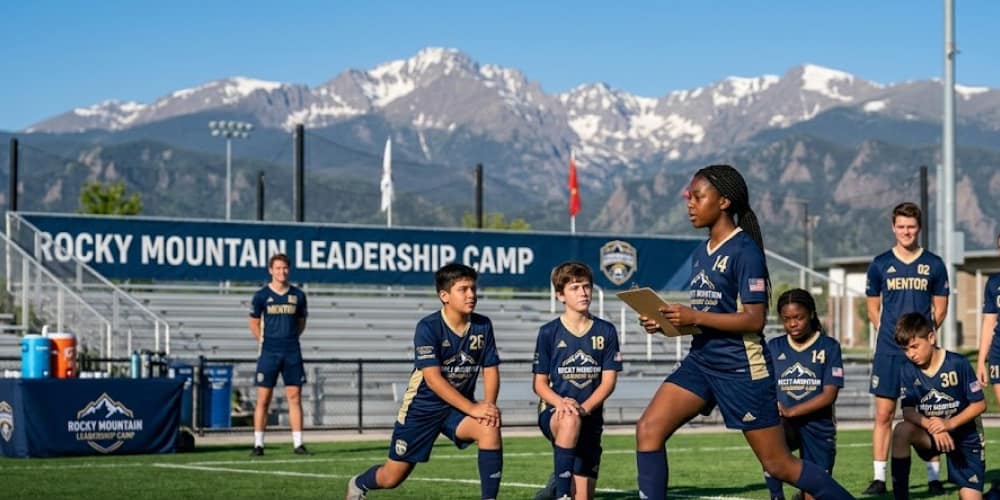
These responsibilities may seem minor, yet they provide valuable lessons about accountability and initiative.
Many campers arrive with limited confidence in leadership situations. By the end of a program, they often feel more comfortable speaking in groups, making decisions, and accepting responsibility.
Several factors contribute to this process:
- Positive reinforcement from coaches and mentors
- Opportunities to contribute to team success
- Structured leadership experiences
- Exposure to role models who demonstrate strong character
Confidence built through these experiences often extends beyond athletics and into academic, social, and community settings.
Why Service Is Becoming Part of the Sports Experience
An increasing number of sports camps are incorporating service-oriented values into their programming.
The Air Force Academy’s emphasis on service reflects a broader movement within youth development. Organizers recognize that leadership involves contributing to something larger than individual achievement.
Participants are encouraged to consider how their actions affect teammates, communities, and future opportunities.
This perspective helps shift attention away from personal recognition and toward collective success.
| Traditional Sports Focus | Leadership-Oriented Sports Focus |
|---|---|
| Individual performance | Team contribution |
| Winning outcomes | Personal growth |
| Athletic achievement | Character development |
| Competition | Service and responsibility |
| Statistics and results | Long-term leadership skills |
The most effective programs balance athletic goals with broader developmental objectives.
Young people leave with improved skills, yet they also gain perspectives that influence how they interact with others and contribute to their communities.
The Lasting Impact Extends Beyond the Playing Field
The lessons taught at leadership-focused sports camps rarely remain confined to athletics.
Participants often carry these experiences into classrooms, workplaces, volunteer activities, and future leadership roles. Skills such as communication, accountability, resilience, and teamwork are valuable across virtually every area of life.
Programs like the U.S. Air Force Academy Sports Camps demonstrate how athletics can serve as an entry point for broader personal development. The combination of mentorship, character education, and leadership training creates experiences that influence young people long after camp concludes.
As communities continue searching for ways to support positive youth development, sports camps remain one of the most effective environments for teaching lessons that extend beyond scores, standings, and championships.
Every practice, challenge, and interaction presents an opportunity to build character. Every mentor, coach, and teammate contributes to a learning environment where leadership is practiced rather than discussed. For many young people, those experiences become the foundation for future success both on and off the field.