
Youth sports camps have long served as places where young athletes can improve their skills, stay active, and enjoy competition. In recent years, many camps have evolved into something much more significant. Across the United States, professional athletes, college players, and community leaders are using sports camps as platforms to mentor young people, share life lessons, and create meaningful connections that extend far beyond athletics.
Recent events highlight the growing impact of these programs. On June 7, 2026, Dallas Cowboys defensive back P.J. Locke hosted a free youth football camp in Beaumont, Texas, giving local children an opportunity to learn directly from professional athletes. Similar initiatives have taken place nationwide, including outreach efforts involving college athletes and Boys & Girls Clubs programs that connect young people with positive role models.
These experiences provide much more than athletic instruction. They expose youth to leadership, accountability, perseverance, and the value of giving back to their communities.
Why Athlete Mentorship Matters
Young people often look to athletes as examples of success. Their achievements on the field can inspire admiration, but the lessons shared through personal interaction often leave the greatest impact.
When athletes participate in community sports camps, they offer something many young people may not encounter regularly: direct access to individuals who have overcome challenges, pursued ambitious goals, and developed the discipline required to succeed at high levels.
Research from the National Mentoring Resource Center has shown that mentorship relationships can contribute to improved self-confidence, stronger social skills, and higher levels of engagement among youth. Sports camps create environments where these relationships can begin naturally.
Athletes frequently discuss setbacks, injuries, academic responsibilities, and personal growth. These conversations help young participants understand that success is built through consistent effort rather than talent alone.
The value of these interactions becomes especially meaningful for children who may have limited access to mentors within their daily environments.
Community Sports Camps Create Real Connections
Large sporting events often place athletes on distant stages. Community sports camps create opportunities for genuine interaction.
Participants ask questions, receive feedback, and engage in activities that encourage teamwork and communication. The result is a more personal experience that can influence a young person’s outlook long after the event ends.
The camp hosted by P.J. Locke in Beaumont reflected this approach. Children participated in football drills and skill-building exercises, yet much of the value came from the conversations surrounding those activities. Young athletes were able to hear directly from someone who grew up in Texas and reached the highest level of professional football.
Programs like these demonstrate how community engagement can strengthen the connection between sports and youth development.
| Traditional Sports Camp | Mentorship-Focused Sports Camp |
|---|---|
| Skill instruction only | Skill instruction plus life lessons |
| Short-term athletic focus | Long-term personal development |
| Limited interaction | Direct engagement with mentors |
| Performance-centered | Character-centered learning |
| Competition emphasis | Leadership and teamwork emphasis |
The distinction may seem small, yet the developmental outcomes can be significant.
Leadership Lessons Extend Beyond Athletics
Athlete mentors often focus on principles that apply in every aspect of life. Topics such as responsibility, goal setting, preparation, and perseverance regularly emerge during sports camps.
Young participants learn that leadership is not defined by popularity or athletic ability. Leadership often involves consistency, accountability, and a willingness to support others.
Many community organizations recognize the connection between athletics and personal growth. Programs centered on youth sports leadership frequently use sports as a framework for teaching communication skills, teamwork, and decision-making.
These lessons can influence academic performance, relationships, and future career opportunities. A child who learns to overcome adversity during athletic competition may carry that same mindset into challenges faced in school or daily life.
The presence of athlete mentors helps reinforce these messages through real-world examples rather than abstract concepts.
The Importance of Representation and Role Models
One of the strongest aspects of community sports camps is the opportunity for young people to see successful individuals who share similar backgrounds and experiences.
Representation matters. Children often develop stronger confidence when they see people from their communities achieving success and remaining connected to their roots.
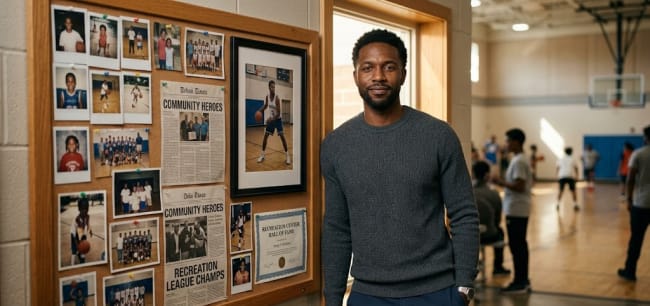
Across Texas and throughout the United States, many professional athletes return to their hometowns to host camps and community events. Their involvement sends a powerful message: achievement and community service can coexist.
The Boys & Girls Clubs of America continues to partner with athletes and organizations to create opportunities for youth engagement through sports, education, and mentorship. These partnerships help introduce young people to positive influences who can inspire future goals.
Athlete role models become particularly influential when they discuss the challenges they encountered along the way. Stories about setbacks, failures, and persistence often resonate more deeply than stories focused exclusively on success.
Young participants begin to understand that progress rarely follows a straight path.
Building Confidence Through Positive Encouragement
Confidence is one of the most valuable outcomes associated with quality mentorship experiences.
Children who receive encouragement from respected role models often become more willing to take healthy risks, set ambitious goals, and remain committed when facing obstacles.
Sports camps provide numerous opportunities for positive reinforcement. A simple conversation, a word of encouragement, or personalized feedback can create lasting memories for a young athlete.
Many camp organizers intentionally structure activities that allow participants to experience small successes throughout the day. These moments help build self-belief and reinforce the idea that improvement is achievable through effort.
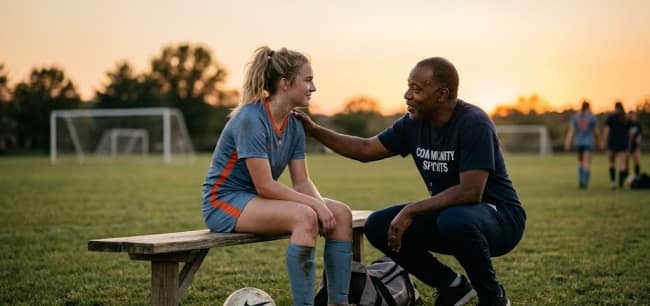
The benefits frequently extend beyond sports participation.
- Increased confidence in school settings
- Greater willingness to try new activities
- Improved communication skills
- Stronger sense of belonging within the community
The combination of mentorship and athletic participation creates a supportive environment where personal growth becomes part of the overall experience.
Creating a Lasting Community Impact
Community sports camps generate benefits that reach far beyond individual participants. Families become more engaged, volunteers strengthen local networks, and organizations develop partnerships that support future youth programming.
Athlete involvement often attracts additional community support, creating opportunities for scholarships, equipment donations, and expanded access to sports programs.
| Community Benefit | Long-Term Impact |
| Youth mentorship opportunities | Improved personal development |
| Increased volunteer engagement | Stronger community connections |
| Expanded sports access | Higher participation rates |
| Positive role model exposure | Greater youth confidence |
| Leadership development programs | Future community leaders |
Many of today’s athlete mentors were once participants in similar programs themselves. Their return to community service reflects a cycle of investment that benefits future generations.
Each camp creates opportunities for young people to develop skills, build relationships, and gain perspectives that can influence future decisions.
The Lasting Value of Showing Up
The most meaningful aspect of athlete mentorship is often its simplicity. When successful individuals invest their time in young people, they communicate a powerful message: your future matters.
Community sports camps provide a setting where that message can be delivered through action rather than words alone. Whether through a football drill in Beaumont, a basketball clinic in a local gym, or a soccer camp at a neighborhood field, these experiences create moments that young people remember for years.
Athletic skills may improve over the course of a camp, but the lessons that endure often involve confidence, character, perseverance, and leadership. Those qualities help shape stronger students, stronger teammates, and stronger communities.
As more athletes continue investing in youth mentorship initiatives across the country, community sports camps remain one of the most effective ways to connect the next generation with the guidance and inspiration they need to succeed.