
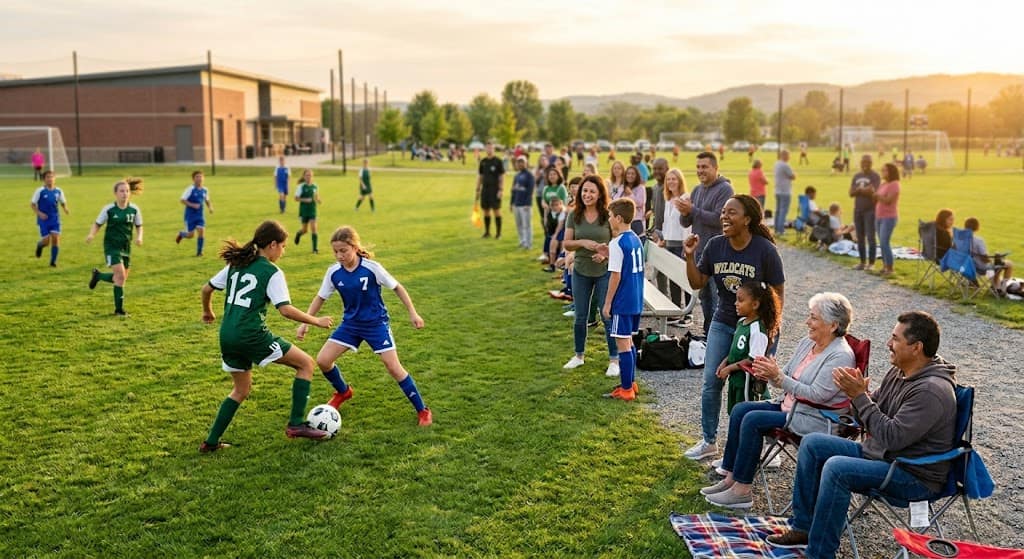
Youth sports provide far more than opportunities to compete and stay active. They serve as powerful environments where young athletes develop leadership, resilience, communication skills, and confidence. While coaches and mentors often receive much of the attention for shaping these experiences, parents remain one of the most influential factors in a child’s athletic journey.
Research continues to show that parental involvement can significantly affect how children perceive sports, handle challenges, and remain engaged over time. According to the Aspen Institute’s Project Play initiative, supportive family participation is one of the strongest predictors of long-term youth sports involvement. When parents understand their role and actively contribute in positive ways, they help create an environment where young athletes can thrive both on and off the field.
Why Parent Engagement Matters
The influence of parents extends beyond transportation, registration fees, and attendance at games. Children often mirror the attitudes and behaviors they observe from adults. When parents emphasize effort, learning, and personal growth rather than solely focusing on wins and losses, young athletes are more likely to develop a healthy relationship with competition.
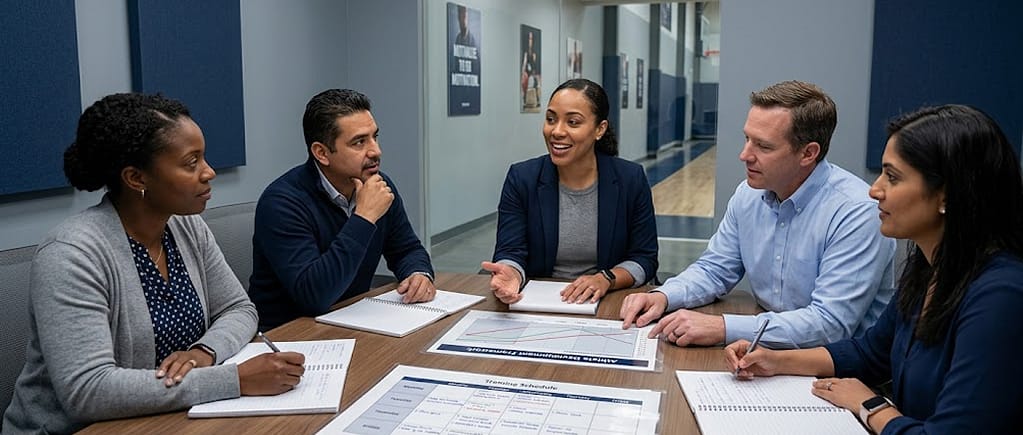
Parental engagement also helps strengthen communication between families, coaches, and organizations. This collaborative approach creates consistency in expectations and reinforces important lessons being taught through sports programs.
A 2023 survey conducted by the National Alliance for Youth Sports found that children who receive positive encouragement from parents report higher levels of enjoyment and are more likely to continue participating in organized sports as they grow older. The findings highlight an important reality: supportive involvement contributes directly to athlete retention and overall development.
Moving Beyond the Spectator Mindset
Many parents naturally view their role from the sidelines, cheering during games and supporting their children from a distance. While encouragement is valuable, meaningful engagement often requires a deeper level of participation.
Parents who take time to understand team goals, organizational values, and developmental objectives can better reinforce those lessons at home. Conversations after practices and competitions become opportunities to discuss perseverance, teamwork, accountability, and personal improvement.
The distinction between involvement and interference is equally important. Effective parental engagement supports coaches and athletes without creating additional pressure. Young athletes benefit most when parents focus on learning experiences rather than immediate outcomes.
| Parent Behavior | Potential Impact on Athlete Development |
|---|---|
| Emphasizing effort and improvement | Builds resilience and confidence |
| Encouraging teamwork | Strengthens social development |
| Supporting coach decisions | Creates consistency and trust |
| Focusing solely on winning | Increases performance pressure |
| Comparing athletes | Reduces motivation and self-esteem |
This balance allows children to develop autonomy while still benefiting from strong family support.
Creating Strong Partnerships With Coaches
Successful youth sports programs often share one common characteristic: effective communication between coaches and families.
Parents and coaches may have different responsibilities, but both groups share a common goal of helping young athletes grow. Establishing mutual respect creates a healthier environment where children receive consistent guidance.
Many organizations now encourage preseason meetings that outline expectations, communication channels, and developmental priorities. These conversations help prevent misunderstandings and clarify how parents can best contribute throughout the season.
Organizations that emphasize family participation often experience stronger athlete retention rates and improved community engagement. Programs focused on youth leadership development frequently recognize that family support plays a critical role in reinforcing leadership lessons outside organized activities.
When parents understand the developmental objectives behind training sessions and competitions, they become valuable partners in helping young athletes achieve long-term success.
The Growing Role of Parents in Mental Well-Being
Youth sports participation offers significant mental and emotional benefits, but these outcomes are often influenced by the environment surrounding the athlete.
According to the Centers for Disease Control and Prevention Youth Sports Resources, participation in sports can support emotional health, social development, and overall well-being when young athletes experience positive support systems. Parents contribute directly to these outcomes through the messages they communicate before, during, and after athletic activities.

Children frequently internalize parental expectations. When success is defined exclusively by performance results, athletes may experience increased anxiety and fear of failure. Conversely, when parents celebrate effort, growth, and learning, children often develop stronger self-confidence and emotional resilience.
These lessons extend far beyond athletics. The ability to handle setbacks, adapt to challenges, and maintain perspective becomes valuable throughout school, careers, and personal relationships.
Practical Ways Parents Can Support Athlete Growth
Effective engagement does not require specialized sports knowledge or extensive volunteer commitments. Small, intentional actions can create meaningful developmental opportunities.
Parents can strengthen the youth sports experience by:
- Asking reflective questions about what was learned rather than focusing only on scores or statistics.
- Encouraging consistent effort and personal responsibility throughout the season.
- Supporting positive team culture and respectful sportsmanship.
- Modeling healthy responses to setbacks and challenges.
The most successful parents often view sports as an educational experience rather than purely a competitive activity. This perspective allows children to focus on development while still striving for excellence.
Building Community Through Family Participation
Youth sports organizations serve as important community hubs that connect families, coaches, volunteers, and local leaders. Increased parent engagement strengthens these connections and contributes to a more supportive environment for everyone involved.
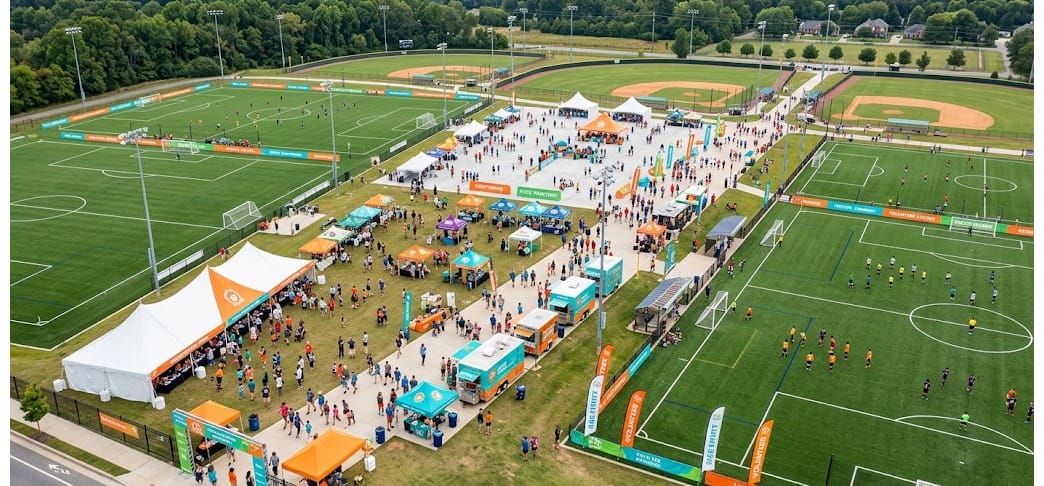
Many programs rely on parent volunteers to assist with events, transportation coordination, fundraising efforts, and mentorship initiatives. These contributions help organizations expand opportunities and reach more young people.
The benefits extend beyond individual athletes. Strong family participation fosters a sense of belonging and shared responsibility that can positively influence entire communities.
| Area of Engagement | Community Benefit |
| Volunteer support | Expanded program capacity |
| Event participation | Stronger community connections |
| Mentorship involvement | Increased youth support networks |
| Parent advocacy | Greater awareness of youth needs |
When families become active contributors rather than passive observers, youth sports programs gain the resources and support necessary to create lasting impact.
Shaping Future Leaders Through Family Support
Youth sports offer countless opportunities to develop leadership, character, and resilience. Coaches play a vital role in this process, but parents remain equally important partners in helping young athletes navigate challenges and celebrate growth.
Every interaction matters. The conversations after practice, the encouragement during difficult moments, and the values reinforced at home all contribute to shaping how young people view themselves and their potential.
As communities continue investing in youth development programs, engaging parents should remain a central priority. Strong partnerships between families, coaches, and organizations create environments where young athletes can develop the confidence, skills, and character needed to succeed both in sports and throughout life.