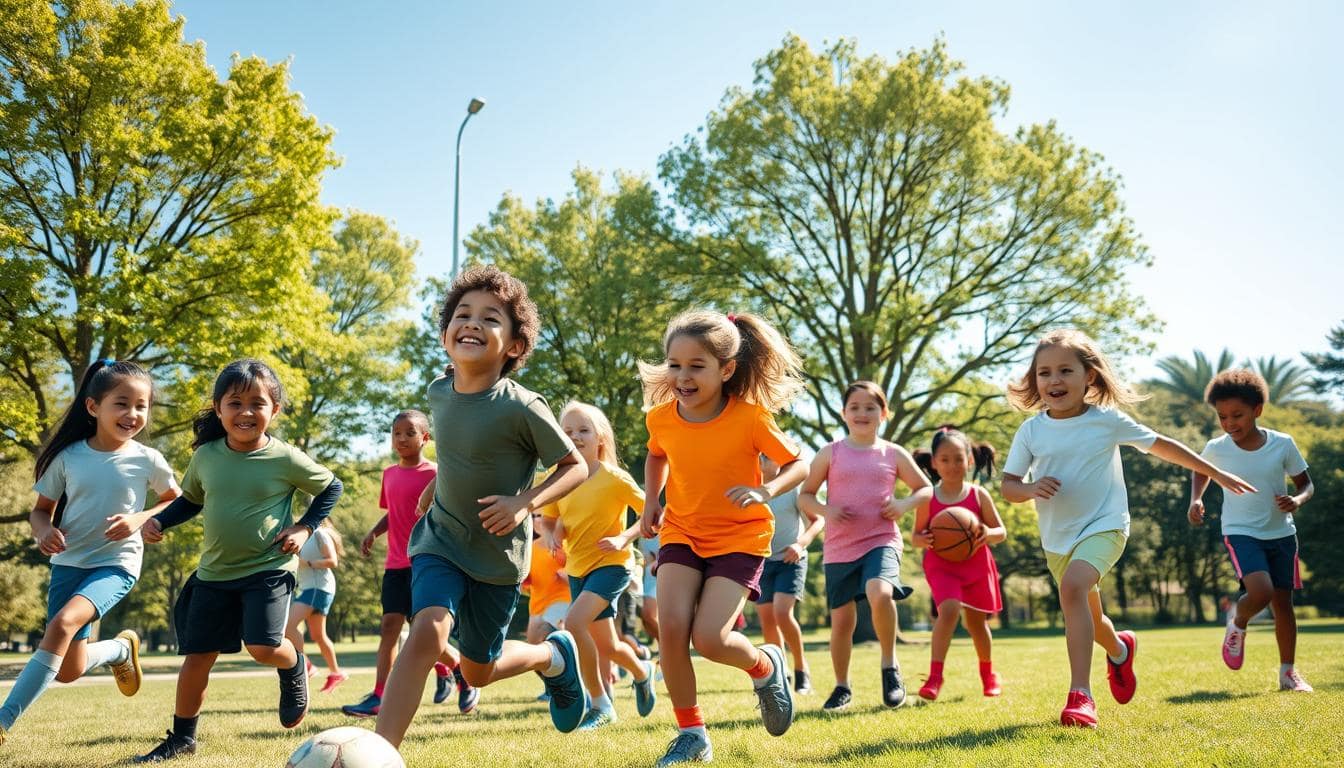
What if the secret to a long, vibrant life starts on a soccer field, a basketball court, or a swimming pool? Youth sports programs are more than just games. They are the powerful seed for a lifetime of health and wellness.
The habits formed here—discipline, a love for movement, teamwork—last for decades. A key fact is that adolescents who play sports are eight times more likely to stay active at age 24 than those who don’t. This shows a critical window of opportunity.
This early foundation has a big impact. Data shows that three in four adults who play sports today started as school-aged children. The regular physical activity from structured afterschool programs helps build strong bones, control weight, and boost fitness.
Tools like the Aspen Institute’s Healthy Sport Index can help parents find the right fit. These programs are a foundational investment. They teach broader life skills for a resilient, active, and healthy future.
Comprehensive Well-being Programs
Today’s youth sports programs focus on more than just winning. They aim to make young people healthier, happier, and more capable. These programs combine physical skills with important life lessons.
Being active in sports can help students do better in school. They often get better grades and higher test scores. The discipline they learn helps them focus better in class.

Team sports also teach valuable social and emotional skills. Players learn to support each other and bounce back from setbacks. They make lasting friendships and develop strong character.
Playing sports can also improve mental health. It helps reduce anxiety and depression. It gives young people a healthy way to deal with stress and boosts their self-esteem.
Good programs also teach about nutrition. They show how food affects performance. Athletes learn which foods help them recover and stay energized.
This complete approach to sports education is powerful. It prepares young people for life. Parents value the physical and mental health benefits it offers. Such programs create well-rounded individuals, ready for success.
Success Story: Wellness Journey from Youth to Adult
Meet Alex. Her story shows how youth sports lead to lifelong wellness. The discipline, friendships, and healthy habits she learned on the court didn’t stop after high school. They became the base for a healthy adulthood.
In high school, Alex learned more than just basketball. She learned about being consistent. Showing up for 6 a.m. practices taught her time management. Pushing through tough games built mental strength.
This foundation was key. The Journal of Adolescent Health found that students who play team sports from grades 8 to 12 have less stress and better mental health as young adults.
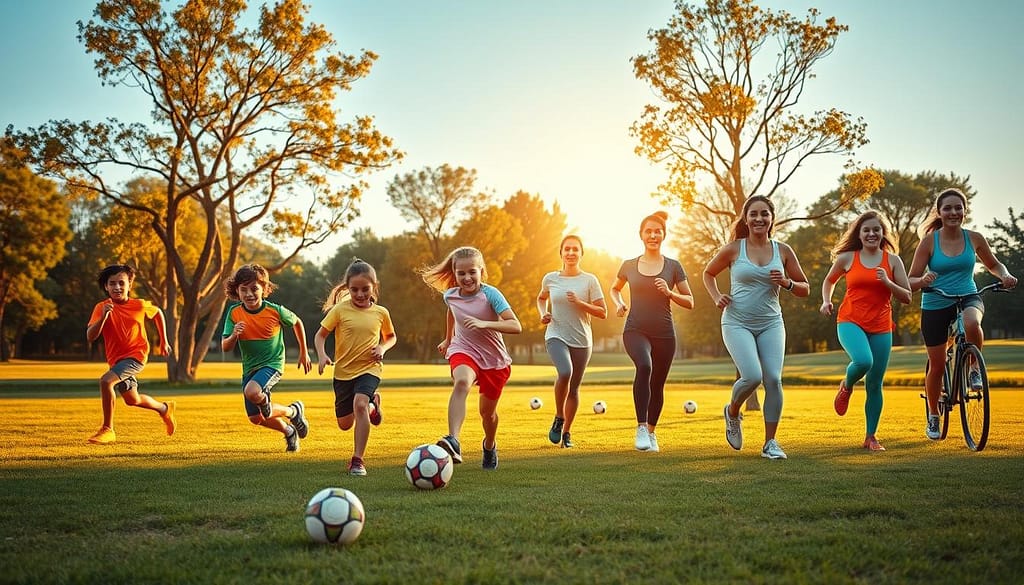
College brought new challenges. Old routines faded, but the athlete’s mindset stayed. Alex made workouts a priority, finding that running or playing basketball was her best stress reliever.
Entering the corporate world was tough. Deadlines were tight, and the pressure was high. But the lessons from sports helped. The teamwork she learned on the court helped her manage projects. Leadership in games prepared her for guiding teams at work.
This is not just Alex’s story. A survey of 400 female corporate executives found that 94% played sports. Even more telling, 61% said sports directly contributed to their career success. The resilience and strategic thinking from competition are valuable in any boardroom.
The benefits of this journey extend far beyond career wins. The commitment to lifelong wellness means:
- Lasting Mental Health: The stress-management skills from youth sports create a buffer against adult anxiety.
- Enduring Physical Health: The habit of regular movement sticks, promoting vitality even after competitive play ends.
- Strong Social Bonds: The camaraderie of a team fosters connection, fighting adult loneliness.
Remarkably, the positive impact doesn’t stop. Studies show the benefits of sports participation continue even after retirement from active play. They contribute to an improved health-related quality of life well into later years.
Alex’s story, built from real data, shows the ultimate payoff. The investment in youth sports pays dividends for a lifetime. It creates adults who are not just fit, but also confident, connected, and resilient. This is the true promise of lifelong wellness—a journey that starts with a whistle and never really ends.
Nutrition and Fitness Education
Youth sports programs turn playing fields into classrooms for life-changing lessons. Young athletes learn that physical health is more than just avoiding illness. It’s about building a strong, resilient body.
Every practice and game teaches healthy habits. This education goes beyond theory to practical, hands-on learning.
The federal guideline says youth need at least 60 minutes of activity daily. Sports make exercise fun while meeting this goal. Quality coaching teaches functional fitness—movements that build real-world strength and prevent injuries.
Coaches show athletes how proper form protects joints. They also teach how varied training builds balanced physical health.
Nutrition education frames food as performance fuel. Young athletes learn how carbohydrates power their sprints. They also learn how protein repairs muscles and how hydration sharpens mental focus.
This approach removes the stigma of dieting. It replaces it with the excitement of optimizing the body’s engine. When kids see direct results—more energy, faster recovery—they embrace healthy eating as a competitive advantage.
Data shows the urgency of this dual education. The obesity epidemic affects youth, hitting children of color and those with disabilities hardest. Research shows afterschool physical activity programs can reduce obesity rates by 1.8% among children ages 6-12.
Sports programs that combine activity with nutrition education create a powerful defense against these trends.
This approach to physical health education has ripple effects beyond the field. Athletes who understand their bodies make better choices in the cafeteria and at home. They learn to listen to their body’s signals for rest and nourishment.
This foundation supports not just athletic performance but overall well-being. It includes mental health strategies for youth athletes that complete the wellness picture.
The ultimate goal is empowerment—giving young people ownership of their physical health for life. When sports programs teach both movement and nutrition, they graduate athletes who understand how to maintain vitality long after their competitive years.
This knowledge becomes their most valuable trophy. It ensures the benefits of youth sports extend across decades.
Creating an Environment for Healthy Choices
Imagine a world where choosing health is easy and fun for every child. This is the heart of lifelong wellness. It’s not just about personal choice but about the world we create for our kids.
Our communities have a big role to play. The Aspen Institute found that cities that invest in sports have healthier people. This means having safe parks and paths encourages kids to be active.
Policies are key to making things fair. The National Youth Sports Strategy aims to give every kid a chance to play sports. It wants to break down barriers based on race, sex, or where you live.
When places to play are open and affordable, more kids join in. We make sure no child is left out because of money or where they live. This plan makes sports a right, not a luxury.
The culture around sports is just as important as the places to play. Coaches and parents who are positive and respectful teach more than just sports. They show kids how to enjoy and grow through sports.
Nutrition is a big part of this positive culture. What we eat at games matters. Choosing healthy foods sends a strong message. It shows that the food we eat matches the energy we need.
Parents play a big role in shaping this environment. By focusing on fun and using tools like the Healthy Sport Index, they find the right sports fit. This approach keeps kids happy and healthy, both in body and mind.
To build this world, we need to work together. We must:
- Push for more recreational spaces in our areas.
- Support programs that focus on the whole child.
- Live healthy lives and show our kids the way.
- Always celebrate our kids’ efforts and participation.
By giving kids the right support and encouragement, we do more than teach sports. We create a life where being healthy is a natural part of every day. In this world, making healthy choices is the only choice kids want to make.
Quantifying Health Improvements and Fitness Levels
Young athletes gain more than just skills on the field. A 2023 CUNY study found that boosting youth sports could save $57 billion in medical costs. It could also add over 1.4 million years of good health to our population.
This benefit isn’t just for the U.S. It’s a global issue. Getting more people active worldwide could save nearly $68 billion each year. Computer models show these huge savings are possible with today’s investment.
For young athletes, the benefits are clear. The President’s Council on Sports, Fitness & Nutrition Report shows stronger bones, healthier weight, and better heart health. It also lowers the risk of diseases like cancer and diabetes. Girls see a drop in body fat percentage too.
These numbers are real. They show a healthier future for all. Improvements in heart health, body shape, and disease resistance are key. This proves that youth sports are a solid way to ensure lifelong wellness and build stronger communities.