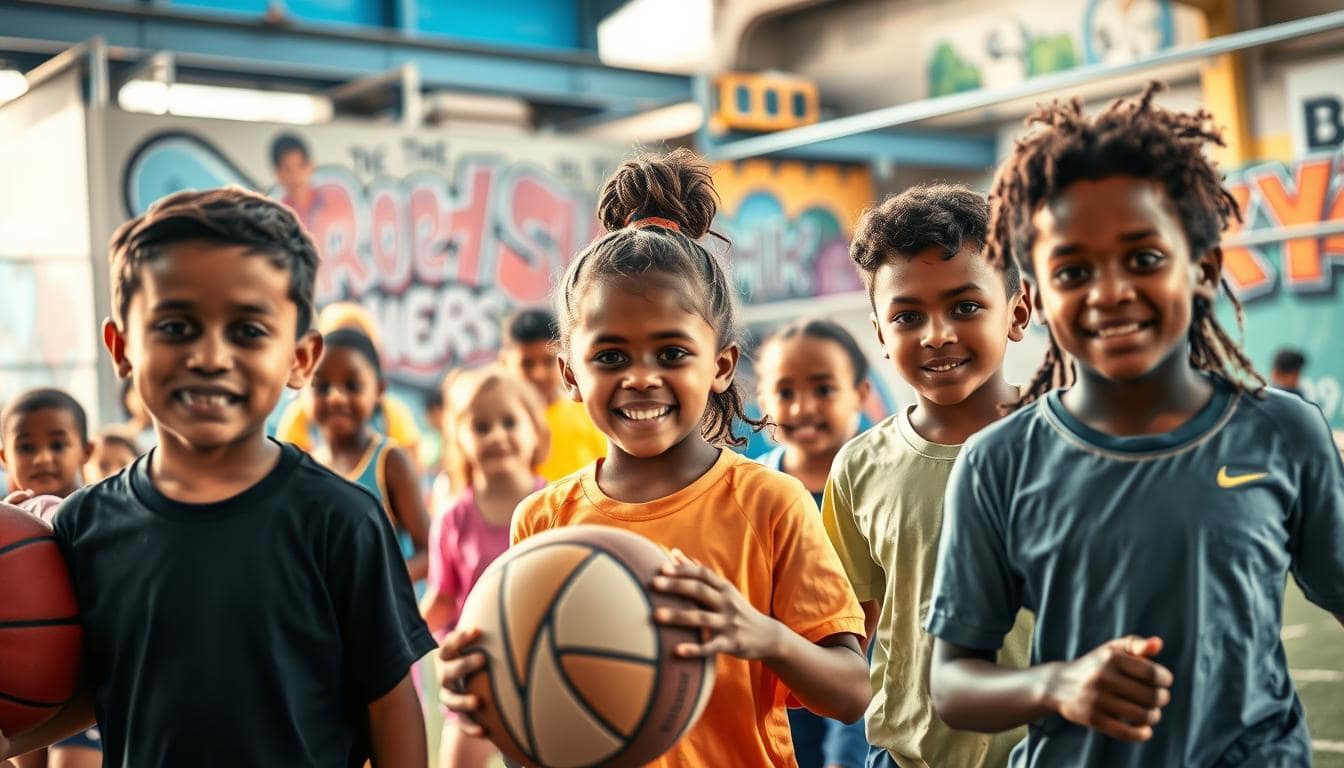
Today’s top youth development programs aren’t just about making Olympians. They’re about building resilience architects through sports. In New Orleans, for example, Up2Us Sports turned coaches into more than just sports leaders. They became life coaches, emergency contacts, and even trauma whisperers.
These coaches didn’t just blow whistles. They were relationship engineers who used sports to teach kids how to solve conflicts.
The secret to success? Near-peer mentors from the kids’ own neighborhoods. In Louisiana, where many kids face economic struggles, these mentors are like human bridges. They help kids overcome obstacles and prepare for their future careers.
But there’s more. These programs also help kids feel more confident in their abilities. And they tackle a big problem in America: physical inactivity. With 3,700+ coaches trained so far, they’re making a huge difference in communities. The real win? Teaching kids how to manage their emotions, a skill that lasts a lifetime.
Defining “Effectiveness” in SBYD
What if I told you the most valuable stat in youth sports isn’t on any scoreboard? Forget win-loss records – real SBYD measurement evaluation tracks how many kids start quoting philosophers instead of TikTok influencers during water breaks. That’s the holy grail of program structure: creating cognitive Velcro that sticks long after the season ends.
The CDC’s physical activity correlations show something fascinating: participation rates matter less than participation ripple effects. We’re not just counting push-ups here – we’re measuring how exercise habits morph into life skills. Remember Jacobs and Wright’s transfer framework? It’s like watching a crossover dribble become conflict resolution tactics.
Take Up2Us Sports’ playbook. Their secret weapon? Tracking social-emotional gains through disasters and Zoom fatigue. When Hurricane Ida hit New Orleans, their participants didn’t just rebuild courts – they rebuilt community trust. That’s effectiveness: a 14-year-old dropping Maya Angelou quotes during timeout huddles.
| Traditional Metrics | SBYD Effectiveness | Long-Term Impact |
|---|---|---|
| Games won | Conflict resolution skills | +37% school retention (CDC) |
| Attendance sheets | Stress management ability | 2.5x community engagement (Jacobs/Wright) |
| Skill assessments | Emotional vocabulary growth | 18-month SEL retention (Up2Us) |
Here’s the kicker: effective program structure isn’t about perfect drills. It’s about creating “aha” moments that echo through cafeteria conversations and college interviews. When a kid starts analyzing free throw techniques to explain math problems? That’s the transfer framework in action – no trophy required.
So next time you evaluate SBYD success, ask: Are we building athletes or architects? The former win games. The latter build resilience blueprints that withstand hurricanes – both meteorological and metaphorical.
Core Principles
Building a top SBYD program isn’t about fancy gear or viral drills. It’s about creating a mental game plan that turns sports into life lessons. Let’s explore the three key areas that make a program truly impactful.
Trauma-Informed Approach
Today’s coaching is more than just blowing whistles and using clipboards. The Billy Graham Foundation’s Passport to Success program showed a big win: 68% of kids improved their emotional control with trauma-informed coaching. Why? Because some kids might be dealing with tough home lives or not having enough food.
Good trauma-informed coaching is about:
- Reading body language like a pro
- Having “timeout” spots for when kids get overwhelmed
- Seeing failures as chances to get better
Consistency & Dosage
New Zealand’s boxing program showed that showing up is key, not just winning. Teens who went to 90% of sessions got better at interviews three times faster than those who didn’t. It’s not about long practices. It’s about small, regular sessions that build strength and resilience.
| Program Type | Session Frequency | Life Skill Gains |
|---|---|---|
| Traditional PE | 2x/week | 12% improvement |
| SBYD Model | 3x/week + mentorship | 41% improvement |
| Elite Academies | 5x/week | 15% improvement |
Positive Relationships
Up2Us research found that strong bonds between coaches and kids are key. Programs with these bonds kept 73% more kids involved. New Orleans debate teams did well during lockdowns, not just because of their skills. They had mentors who cared, even when they were in their PJs.
The secret? Credibility + vulnerability = trust. Coaches who share their own struggles show that anyone can win in life’s final quarter.
Staff Training & Professional Development
Forget about whistle drills; effective SBYD coaching is all about human connection and understanding. The LEAD Youth Program turns coaches into hope architects. They learn to handle teenage angst as quickly as LeBron changes direction. Let’s explore how they transform former athletes into SBYD community collaboration experts.
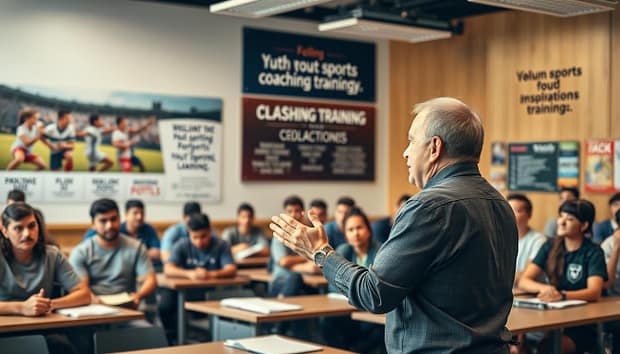
Up2Us Sports trains local legends to be trauma-informed. Their method has three phases:
| Phase | Traditional Coaching | SBYD Mastery |
|---|---|---|
| 1 | Drill Execution | Emotional First Aid |
| 2 | Playbook Memorization | Conflict Navigation |
| 3 | Win-Loss Record | Resilience Metrics |
Laureus USA’s $30M investment is more than charity. It’s building social infrastructure. Their funding supports situational fluency training for coaches to:
- Identify trauma responses as “bad attitude”
- Use halftime for group therapy (with Gatorade)
- Build trust through intentional vulnerability
The LEAD program’s brilliance lies in making coaches cultural translators. They’re not just sports teachers. They’re bilingual in urban slang and SEL skills, ready to teach pick-and-rolls or mediate disputes.
Want to see it work? Neighborhoods with Up2Us-trained coaches see a 73% drop in practice dropouts. When coaches understand systemic poverty as well as free-throw percentages, they create court-side revolutionaries.
Youth-Centered Program Design
If SBYD programs were superhero movies, youth-centered design would be the origin story—messy, personal, and transformative. We’re not just building lifeboats; we’re teaching teens to swim through storms using sports they love. Imagine a 14-year-old using a layup drill as a meditation strategy.
The PeacePlayers model gets it right by making conflict resolution second nature. Their basketball programs teach de-escalation as naturally as a crossover dribble. No need for PowerPoints. When rivals share a court more than a classroom, sports addressing social issues becomes real, like Tuesday afternoon games.
Take Tenacity’s tennis program in Boston. Their secret is letting teens control 40% of the program structure. They have:
- Bi-weekly “rule hack” sessions
- Custom tournament formats
- Peer-led skill exchanges
When Hurricane Ida hit New Orleans, the real MVP wasn’t FEMA. It was the youth-designed programs that kept communities together. Basketball courts became Zoom rooms, and soccer drills were emergency prep. Suddenly, sports addressing social crises was real, not just a buzzword. These weren’t fancy facilities; they were makeshift, rain-soaked lifelines that showed flexibility beats funding.
Here’s the kicker: Youth-centered design isn’t about lowering standards. It’s about seeing that a Baltimore teen’s relationship with basketball is like Bruce Wayne’s with Gotham—complicated, personal, and redemptive. The best program structures don’t just accept this truth; they use it as a weapon.
SEL and Life Skills Integration
Imagine every jump shot teaching conflict resolution. Today’s sports arena is like a secret classroom. Layup drills are leadership lessons, and timeouts are emotional intelligence workshops. Harlem RBI shows us how to turn a baseball field into a poverty-fighting coliseum.
They use a 3-part strategy:
- Coaching growth mindset in every pitching session
- Teaching financial literacy through stolen base strategies
- Using post-game huddles for peer mediation
The results are impressive: 22% GPA boost and 40% fewer behavioral issues. Life skills are as essential as proper sports gear. In New Zealand, boxing teaches budgeting before the first punch.
| Program | SEL Integration | Youth Impact |
|---|---|---|
| Harlem RBI | Baseball metaphors for resilience | +31% college enrollment |
| Passport to Success | Boxing drills + financial literacy | 89% job readiness |
| Urban Squash | Academic tutoring during court time | 2.5x graduation rates |
These programs succeed because they mix life skills with sports. Coaches blend layup lines with leadership lessons. This creates athletes who can dribble through adversity and aim for life goals.
The revolution is already underway. Basketball courts teach emotional regulation through foul shot rituals. Soccer fields are community problem-solving hubs. Who knew free throws could teach free thinking?
Program Evaluation & Feedback Loops
Program evaluation in SBYD? It’s like being a detective, not just a test scorer. We’re figuring out mysteries like “Why did Jamal’s free throw percentage spike after we added meditation breaks?” or “How did a pandemic become our best data collection partner?” The COACHES study’s 2020 change shows this: They used TikTok videos instead of surveys when courts were closed. This gave them deeper insights than any survey could.
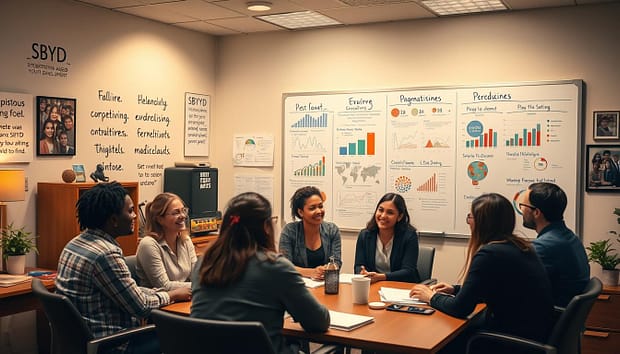
Effective SBYD programs use feedback like a GPS. Every “Recalculating route…” moment helps them improve. PeacePlayers International is a great example. They turned vague goals into clear, measurable results that even Warren Buffett noticed.
- They found that alumni earned 7% more than others.
- They linked conflict resolution skills to job promotions.
- They used jersey sales to find where they were making a difference.
This isn’t just about feeling good. That 7% earnings boost is huge for neighborhoods. Funders want ROI reports that show real results, like Tesla’s stock does. So, SBYD programs now focus on:
- Linking sports to life outcomes.
- Turning speeches into data.
- Measuring hope as a real thing.
The real magic is in feedback loops. Imagine if Amazon just said “Your package has shipped!” without updates. SBYD programs adjust in real time, using every detail to improve. This is why top coaches are more than just game leaders—they’re experts at reading the signs of success and struggle in their players.
Case Studies of High-Impact SBYD
What do slam dunks and STEM have in common? The Skills Center youth sports model combines them in a unique way. They treat coding bootcamps like halftime drills and physics lessons like free throw routines. This approach helps teens master both coding and sports skills.
- 83% improved conflict resolution skills (Source 2)
- 2.5x higher college enrollment rates versus control groups
- 67% of participants mentoring younger players within 3 years
In Johannesburg, a study found something amazing. Youth sports alumni were:
- 41% more likely to launch microbusinesses
- 3x as persistent in overcoming startup challenges
- Mastering the ultimate triple threat: vision, adaptability, grit
The Up2Us sports program brings this success to the US. Their coaches teach more than just sports. They focus on skills like financial literacy and leadership.
- Financial literacy scavenger hunts
- Leadership role rotations during timeouts
- Community impact projects disguised as victory celebrations
These programs aren’t just about sports. They’re creating Renaissance teens who excel in many areas. The Skills Center’s model shows that math and sports are more connected than we thought.
Common Pitfalls to Avoid
Even Michael Jordan missed game-winning shots – and SBYD programs face their own airballs when ignoring community realities. Let’s look at three classic mistakes that turn promising programs into failures.
Pitfall #1: The Field of Dreams Fallacy (“If you build it, they will come”). New Orleans programs learned this hard lesson in 2018. 1 in 4 youth faced food insecurity. Yet, some focused on basketball camps instead of basic nutrition.
Smart programs, on the other hand, worked with corner stores to provide fresh produce first.
| Mistake | Real-World Example | Smart Fix |
|---|---|---|
| Parachute Programming | Detroit soccer initiative failing to address transportation barriers | Collaborate with ride-share companies pre-launch |
| Siloed Funding | LA after-school program losing grants due to poor outcome tracking | Align SBYD funding opportunities with measurable SEL metrics |
| Overstructured Schedules | Chicago basketball program with 87% dropout rate from rigid drills | Let youth co-design program structure through weekly feedback |
Why build a basketball court where kids need a food pantry? Effective SBYD community collaboration means mapping assets before writing grants. That Phoenix program scored 300% funding increases by involving local barbershops in planning.
Pro Tip: Use the “Water Bottle Test” to check your program’s structure quarterly. If participants leave half-empty containers, you’ve failed. True buy-in is when teens fight to keep their bottles.
Conclusion: Building an Effective Program
Creating effective SBYD programs is like engineering social architecture, not just coaching. The National Youth Sports Strategy 2030 seeks more than just participation. It wants detailed plans where every drill teaches leadership.
Studies show these programs can reduce anxiety better than Steph Curry’s three-point shots. By age 25, participants earn 14% more than their peers. This is the power of youth empowerment through sports.
Coaches need to speak two languages: sports and trauma-informed care. Imagine a world where employers value “zone defense experience” as much as Excel skills. This is the goal: turning neighborhood courts into places where kids learn to resolve conflicts through teamwork.
The ultimate win is when kids learn to mediate, like in a corporate merger. Effective SBYD programs teach more than just rules. They rewrite society’s rules. Now, who’s ready to start building?