
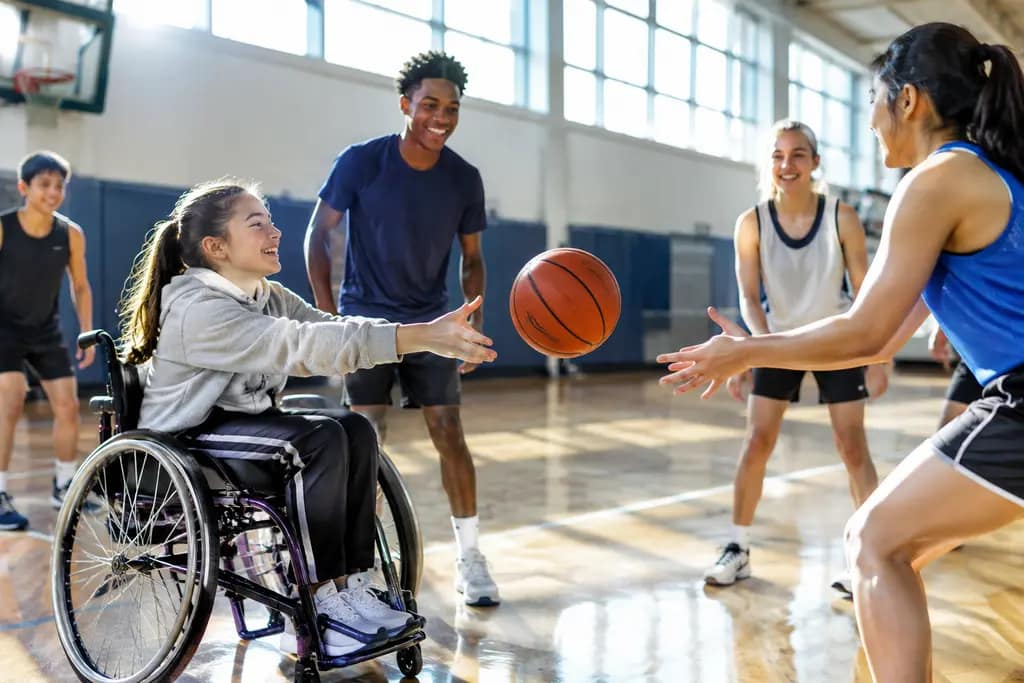
Unified Sports Inclusion is giving youth athletics a clearer standard: build teams where students with and without intellectual disabilities train, compete, lead, and belong together. The growth is no longer a small side story in school sports. In the 2024-25 school year, 70,006 students participated in high school Unified Sports programs in the United States, up from 51,502 in 2023-24, according to the NFHS High School Athletics Participation Survey NFHS participation report.
That increase matters because youth sports shape more than skill. Teams teach communication, trust, shared responsibility, and pride in representing a school. When inclusive sports are built into school athletics, students see that competition and belonging can grow in the same gym, on the same field, and through the same practice plan.
Why Unified Sports Inclusion Is Growing In Schools
The rise in participation shows that more schools are treating inclusion as part of their athletic identity. Rather than separating opportunity from competition, Unified Sports places students with and without intellectual disabilities on shared teams. That structure can change how classmates understand leadership, effort, and team success.
Unified Sports Inclusion In School Teams
Unified Sports Inclusion works best when it feels like school sports, not a one-day activity. Students need practice routines, coaching expectations, team roles, and chances to compete in front of peers. The high school participation jump from 2023-24 to 2024-25 suggests that more athletic departments are making room for that model inside their programs.
This shift also gives student-athletes a wider view of what it means to be a teammate. A partner may learn patience during drills. An athlete with an intellectual disability may gain confidence through repeated practice. A student leader may learn that encouragement is as valuable as scoring. These are youth development outcomes that stay with students after the season ends.
From Participation Counts To School Culture
Participation numbers are useful, but the larger value shows up in daily school life. A Unified team can bring students together across classrooms, grade levels, and friend groups. Pep rallies, shared uniforms, after-school practices, and school announcements all send the same message: every student can contribute to the athletic community.
For families, this kind of program can make the school feel more welcoming. For coaches, it creates a chance to teach sport through communication and trust. For classmates, it turns inclusion into something visible and active. That is why growth in Unified Sports should be viewed as a youth athletics standard, not simply a participation trend.
What Better Inclusion Looks Like On A Team
Inclusive youth athletics should be measured by more than whether students are present. The stronger question is whether students have meaningful roles. A team that builds belonging gives athletes chances to practice, take responsibility, receive coaching, and celebrate improvement.
Shared Roles Build Confidence
Sports provide clear moments for growth. A student can learn how to call for a pass, listen during a timeout, support a teammate after a mistake, or stay focused during a close finish. Those moments are simple, but they build self-control and confidence over time.
A 2023 systematic mixed-methods review led by the University of Minnesota reported strong effects for social-emotional learning, self-determination, and school belonging for youth with and without intellectual disabilities in Unified Sports, and the sports reviewed included football, basketball, track, bocce, cornhole, and soccer University of Minnesota review.
That finding supports what many coaches see in practice: students grow when they are trusted with real team responsibilities. The strongest programs do not lower the value of sport. They widen access to the lessons sport already teaches.
Belonging Needs A Full Team Plan
Belonging does not happen by accident. It comes from how a coach groups athletes, explains drills, sets expectations, and responds to mistakes. A good practice plan gives every athlete a way to participate with purpose. That may mean using clear instructions, rotating leadership roles, or pairing students in ways that support both skill and friendship.
Schools can also help by treating Unified teams with the same respect given to other athletic programs. Announcing schedules, sharing results, including athletes in school celebrations, and making space for student leaders can help normalize inclusion. For more examples of how inclusive sports opportunities can support youth growth, schools and families can compare local efforts with inclusive sports opportunities that connect participation with belonging.
Coaching Standards For Shared Youth Athletics

Unified Sports Inclusion asks coaches to think carefully about both sport skill and student development. A coach is not only teaching rules and technique. The coach is also setting the tone for respect, communication, and shared accountability.
Strong coaching in this setting starts with the belief that every student can improve. That belief shapes practice design. Drills should help athletes repeat skills, understand their role, and feel the rhythm of a team. Partners should be coached as teammates, not helpers standing outside the game. Athletes with intellectual disabilities should be coached as competitors, not guests.
What Coaches Can Emphasize
Coaches can support inclusive teams by focusing on a few core habits:
- Clear communication: use short instructions, model the drill, and check understanding before play begins.
- Shared leadership: rotate captains, warmup leaders, and peer support roles so responsibility is spread across the team.
- Skill growth: track improvement in passing, spacing, defense, effort, and teamwork, not only scoring.
- Team identity: use uniforms, schedules, and recognition to show that the Unified team belongs within the school athletic program.
These habits are not complicated, but they require consistency. Students notice whether adults take the team seriously. When coaches prepare well, athletes learn that inclusion is part of competitive preparation, not separate from it.
Why Athletic Departments Matter
Athletic departments set the conditions for inclusion to last. Scheduling practice space, supporting coaches, communicating with families, and making sure teams are visible all affect the student experience. If a Unified team has limited gym time or little recognition, students can feel that the program is secondary. If the team is placed within the regular rhythm of school athletics, students receive a different message.
This is where Unified Sports Inclusion can influence the broader school community. The model encourages athletic departments to define success through participation, growth, belonging, and team pride. That standard can strengthen the full youth sports setting, including how schools welcome new athletes, support peer leadership, and celebrate different kinds of achievement.
What Unified Sports Inclusion Means For Youth Athletics
The expansion of Unified Sports points toward a healthier standard for youth athletics: teams should help young people grow together. The rise from 51,502 to 70,006 high school participants between 2023-24 and 2024-25 is a sign that more schools are making that commitment visible through sport.
For students with intellectual disabilities, the benefit can include stronger belonging, confidence, and a clearer place in school life. For students without intellectual disabilities, the benefit can include empathy, leadership, and a deeper understanding of teamwork. For families and communities, the benefit is a school sports culture that says every student has value on the court, field, track, or playing surface.
Unified Sports Inclusion does not ask youth athletics to step away from competition. It asks schools to make competition more connected to character, respect, and community. That is a standard worth building into every season, because young athletes carry those lessons far beyond the scoreboard.