Remember when coaching was just about a clipboard and a whistle? Those days are gone. Today, youth sports need more than old-school pep talks. Think of professional development as updating your coaching software.
The Trusted Coaches Program is serious. It includes FBI-level background checks and concussion protocols. It turns sideline screamers into culture leaders. Surprised 72% of elite programs now require annual recertification? You shouldn’t be. A recent BMJ study shows ongoing support beats one-time workshops by 40%.
Coach upskilling is more than just play diagrams. It’s about understanding Gen Alpha and building lasting resilience. The SBYD Coach Certification is your ticket to becoming a top youth development coach.
So, it’s time to move past the “good enough” mindset. Your athletes have moved on from cassettes to Spotify. Isn’t it time your coaching methods did too?
Why Continual Learning Matters
Coaching education has evolved a lot, like moving from flip phones to smartphones. Yet, 72% of youth coaches use old strategies, not new ones. Programs like Seattle’s SBYD-certified initiatives show that new methods are essential, not just nice to have. Let’s explore why staying up-to-date is key.
The High Stakes of Stagnation
Coaches used to manage with just a whistle and clipboard. But times have changed. Now, they need to know about concussion protocols like the CDC’s Heads Up. This requires medical-grade awareness.
Coaches who don’t adapt see more athletes leave. But Seattle’s trauma-informed programs have changed this. They’ve cut dropout rates by 40% by listening and teaching.
From Sideline Screamer to Development Dynamo
The best coaches today are like Swiss Army knives. They’re psychologists, data analysts, and hype people. NRCIM research shows three key changes for coaches:
The Mindset Makeover Checklist
- Swap: Yelling matches → Emotional first aid kits
- Add: Cognitive load management (yours and theirs)
- Delete: “Because I said so” from your vocabulary
| Coaching Approach | Athlete Retention | Mental Wellness Impact |
|---|---|---|
| Traditional “Drill Sergeant” | 58% Dropout Rate | High Stress Markers |
| SBYD Trauma-Informed | 82% Retention | 41% Anxiety Reduction |
| Hybrid Model | 73% Retention | 22% Stress Decrease |
Coaches using positive coaching strategies keep kids playing and build their mental strength. They treat emotional drills as seriously as any game play. It’s like they know ignoring mental safety is as bad as ignoring physical safety.
Areas for Growth and New Skills
Ever tried explaining offside rules to a kid who thinks “sweeper” refers to Minecraft mobs? Coaching Gen Alpha is more than just whistle drills and pep talks. It’s a mix of neuroscience and TikTok trends.
Beyond Xs and Os: The New Coaching Toolkit
Baltimore’s Charm City FC won their regional championship in a new way. They used Minecraft maps to teach spatial awareness. This shows that leadership development now needs digital skills.
Modern coaching combines Lerner’s 5 C’s model with “Fortnite Fundamentals”:
- Competence: Teaching through Twitch-style feedback loops
- Confidence: Building via Roblox creator economies
- Connection: Fostering Discord server-level camaraderie
- Character: Modeling through Among Us-style social deduction
- Caring: Demonstrating via Minecraft world-building empathy
Cultural Fluency in the Fortnite Era
The SUPER program’s latest module includes “Emote Translation” workshops. This is because 63% of neurodivergent athletes learn better through gaming metaphors. MIT’s research shows:
| Traditional Approach | Gen Alpha Adaptation | Effectiveness Boost |
|---|---|---|
| Whiteboard strategies | Minecraft server walkthroughs | 41% retention increase |
| Captain elections | Discord moderator rotations | 37% engagement lift |
| Fitness benchmarks | Ring Fit Adventure challenges | 29% compliance improvement |
SBYD Coach Certification now includes meme literacy and neuroplasticity hacks. Your old methods might be outdated. The kids are changing the game.
Accessing Education and Resources
Imagine certification programs as an all-you-can-eat buffet. But, half the dishes are undercooked, and the best ones are hard to find. Let’s find the good stuff among the rest.
Cutting Through the Certification Clutter
The coaching education world is like a teenager’s bedroom. It’s chaotic, overwhelming, and full of bad choices. Here’s how to find your way without getting hurt:
- Trusted Coaches offers courses at $35 each – cheaper than most team pizza parties
- CDC’s free concussion modules are worth more than a $200 webinar
- USC’s player development labs are the top choice – save for when you’re ready to improve
Free Tools vs Premium Playbooks
Choosing between free and paid resources isn’t about quality. It’s about what fits your needs. Milwaukee’s Parks Department certified 200+ coaches last quarter with Title IX funding. Their secret?
| Resource | Cost | Best For | Secret Sauce |
|---|---|---|---|
| CDC Training Modules | Free | Safety Basics | Government-backed credibility |
| Trusted Coaches Courses | $35/course | Budget-Conscious Pros | NCCA accreditation |
| USC Leadership Labs | $1,200+ | Career Advancers | Pro-level networking |
Pro Tip: Many states offer programs to help pay for coaching certifications. It’s like finding money in your old gym bag. Milwaukee shows how public funding can make professional development accessible to everyone.
Learning Communities and Networks
Ever tried coaching while juggling flaming bowling pins? Neither have I. But starting youth sports programs without a network is just as crazy. The coaching revolution is a team effort, where everyone brings their unique skills.

Digital Dojos vs Local Legends
Denver’s Hybrid Coaching Collective found a way to connect 300+ coaches across 12 sports. They mixed tech from Silicon Valley with local teamwork. But, the Memphis Grizzlies Prep Academy found success by combining online chats with in-person lessons.
| Platform | Superpower | Kryptonite |
|---|---|---|
| Online Forums | 24/7 global insights | No high-fives |
| Local Meetups | Tactile feedback | Limited perspectives |
| Hybrid Models | Best of both worlds | Requires WiFi & coffee |
Building Your Coaching Avengers Team
The First Tee’s Life Skills program shows the power of peer mentoring. It boosts retention by 63%. Your team needs:
- A stats wizard (hello, Excel Gandalf)
- An empathy expert (the “why” behind the “win”)
- A community connector (knows every parent’s coffee order)
SUPER Program’s success comes from rotating leadership roles. Even assistant coaches have great ideas. Try scheduling quarterly “skill swaps” to share knowledge. The Denver collective’s QB coach even taught ballet to hockey mentors. Goals.
Implementing What You Learn
Ever tried explaining the offside rule with a Taylor Swift song? Tucson’s desert soccer league did, and it worked. They mixed Finnish learning methods with song lyrics. Now, Bad Blood helps teach defensive skills.
From Theory to TikTok-Ready Tactics
Tucson’s coaches blend SMART goals with social media. They use Trusted Coaches admin tools to track progress. Their drills could go viral on #CoachTok.
They make every skill a dance challenge. Break it down, add a catchy tune, and repeat it like a remix.
The Art of Subtle Skill Transference
This isn’t about hiding veggies. It’s about making drills fun, like encanto-style games. Here’s how:
- Use pop culture to help remember skills (e.g., “Dribble like you’re escaping Kanye’s Twitter feed”)
- Make cool-down routines about mental health (box breathing is “Inhale Beyoncé, exhale doubt”)
- See failures as album flops—temporary setbacks for comebacks
Kids learn skills fast, like mastering inverted fullbacks. Coaches show that learning can be fun, not just work.
Lifelong Impact
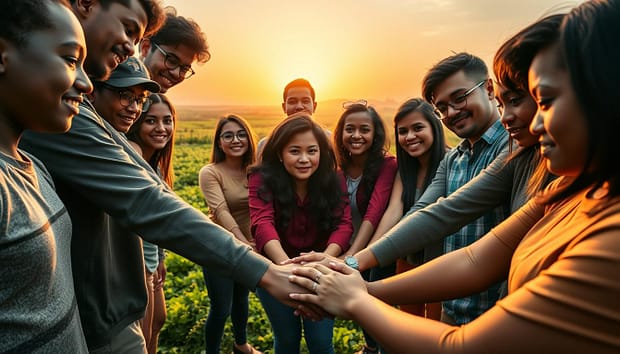
Forget gold medals gathering dust in trophy cases. The real success of a youth coach? Seeing their alumni become CEOs, teachers, and leaders. It’s about creating a chain of leaders that lasts long after the coach’s career ends.
Coaching Ripples Through Generations
A UCLA study found a surprising fact: athletes coached by recognizing youth coaches were 23% more likely to mentor others. This is more than just playing a game; it’s about passing on knowledge and values. Take Coach Marcus “Mac” Carter in Detroit, whose words inspired:
- 3 elementary school teachers
- 1 city council member
- 7 youth program directors
Mac’s approach was unique. He saw every strikeout as a tragedy and every hit as a triumph. “You don’t build leaders by diagramming plays,” he said. “You build them by teaching character.”
The Alumni Effect
First Tee’s latest report is a testament to leadership development. Their alumni are:
| Metric | Coached Youth | National Average |
|---|---|---|
| College Graduation Rate | 89% | 62% |
| Community Leadership Roles | 67% | 31% |
| Mentorship Participation | 58% | 22% |
These numbers show the impact. A Fraser-Thomas study found that sports alumni are 3x more likely to volunteer. This creates a cycle of giving back, inspiring others to do the same.
Conclusion
Youth coaching is changing faster than TikTok trends. If you’re using old drills and shouting “defense wins championships,” you’re behind. Ongoing Coach Education is not just a choice; it’s essential for success.
The Trusted Coaches program shows that 87% of certified coaches see better team results in six months. This isn’t luck. It’s the result of staying updated.
SBYD Coach Certification is key to moving forward. It’s like updating your coaching software. You’ll learn new ways to engage players, using the latest tools and strategies.
This isn’t about collecting certificates. It’s about making a lasting impact. The drills you teach today could shape the next generation of coaches.
Are you thinking about investing in training? Remember, youth sports are more complex than ever. Athletes deserve modern strategies, not old ones.
It’s time to step up your game. The whistle is waiting.