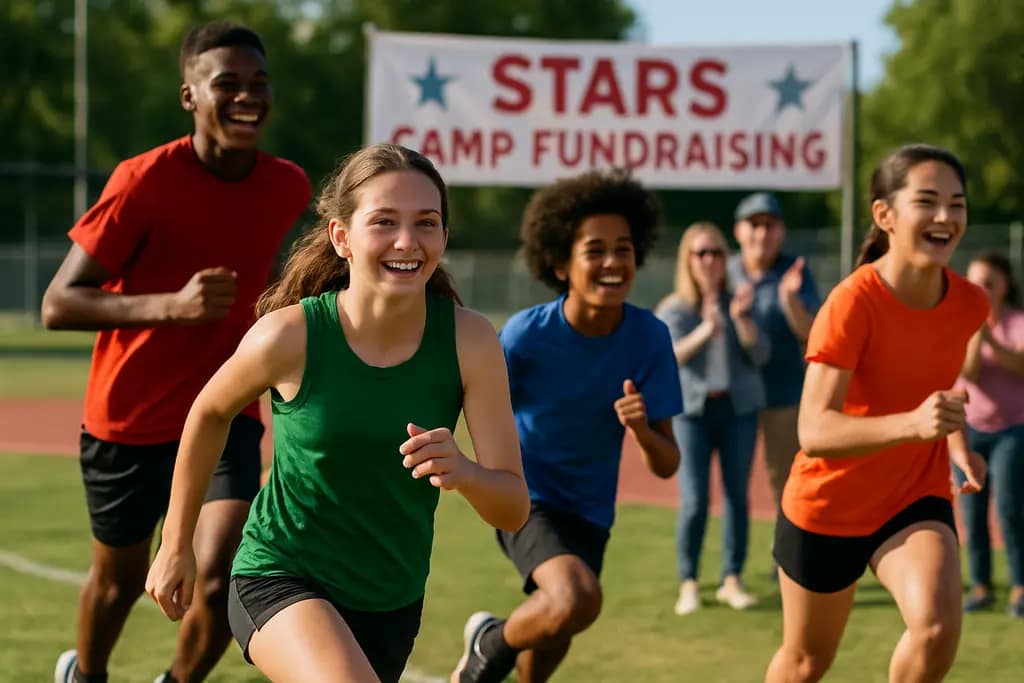
STARS Camp in Garland shows how sports and recreation can meet youth development where families need it most. On August 6, 2026, the Garland Parks Foundation presented $5,200 to the program at Bradfield Recreation Center after the May 16 Surf & Swim fundraiser; the city report said the effort helped serve more than 100 children, far above the original goal of about 25 city fundraising report.
That kind of result matters because local youth sports access is rarely about one registration form or one camp week. For families with limited financial resources, a scholarship-supported recreation program can create a safe summer routine, introduce young athletes to healthy movement, and place them around adults who expect effort, kindness, and growth. Garland’s recent fundraising success gave the community a clear example of how one event can widen the door for children ages 6 to 12.
How STARS Camp Fundraising Opened Access
STARS Camp Fundraiser Reached More Families
The May 16, 2026 Surf & Swim fundraiser was built around community participation rather than a narrow donor circle. According to the city report, the event drew 650 to 750 attendees and included swimming, music, food, games, and vendors. Donations from that day supported recreational opportunities for Garland youth ages 6 to 12 with limited financial resources fundraiser details.
For youth sports advocates, the attendance number is meaningful because it shows public buy-in. A camp scholarship does not appear from thin air. It comes from neighbors choosing to spend time together, city partners helping organize the setting, and families seeing youth recreation as part of community care. The $5,200 presentation on August 6, 2026 gave that support a visible outcome: more than 100 children gained access to the program instead of the original estimate of about 25.
Cost Barriers And Camp Belonging
Cost can be one of the first barriers that keeps a child away from a gym, pool, field trip, or group activity. The Garland Parks Foundation donation was directed toward children who otherwise may not have been able to attend. That is not just a financial story; it is a youth development story. When fees are reduced or covered, the child gets a chance to practice listening, taking turns, trying new skills, and learning how to be part of a group.
- Fundraising helped expand participation beyond the original goal.
- The event connected recreation with food, games, vendors, and family-friendly activity.
- The support focused on Garland children ages 6 to 12 with limited financial resources.
- The August 6 presentation tied community giving directly to camp access.
Sports and recreation programs gain strength when access is shared. Garland’s result is a reminder that local fundraising can support both participation and belonging, especially when the event itself invites families into the work.
What Young Athletes Gain Beyond The Scoreboard
Sports, Science, And Daily Confidence
City Council discussion on May 5, 2026 described a program with more than one lane of development. Staff said the summer camp had been active for more than 25 years, and that the camp plus its after-school program served more than 250 children combined across summer and school-year programming May 5 council meeting. That long track record matters in youth sports because trust grows through repeated seasons, familiar adults, and routines that children can count on.
Programming described at the meeting included themed weeks such as Science Week, Wildlife Week, and Retro Week, along with fitness and Stretch & Grow activities, art camps led by instructors, guest inspirational speakers, and field trips, including a trip to the Cove Water Park. Those details show a camp model that treats movement as one part of a larger learning day. A child may arrive excited for games or swimming, then leave with a new interest in science, art, public speaking, or service.
One outreach example connected recreation with public health. Garland’s Environmental Health Department taught campers ages 6 to 12 how to prevent mosquito breeding and reduce West Nile virus risk, according to the city report public health lesson. For young athletes, that kind of lesson builds civic awareness alongside play. They are not only running, stretching, or swimming; they are learning how small actions at home and in the neighborhood can protect others.
A Former Camper’s Growth Story
The most powerful impact stories often come from youth who stayed with a program long enough to see themselves change. During the May 5, 2026 Garland City Council meeting, a former camper described starting as a shy child around age 8 and becoming more open, outgoing, and active in community engagement after years in the program former camper remarks. That is the kind of growth coaches and recreation leaders hope to see: confidence that begins in a supervised activity and carries into daily life.
Not every gain can be measured on a scoreboard. Sometimes the win is a child raising a hand, joining a group, speaking to adults, or coming back the next day with more confidence. This is where sports-based youth development has its deepest value. The games create the doorway, but the relationships help young people walk through it.
Community Trust Behind The Program
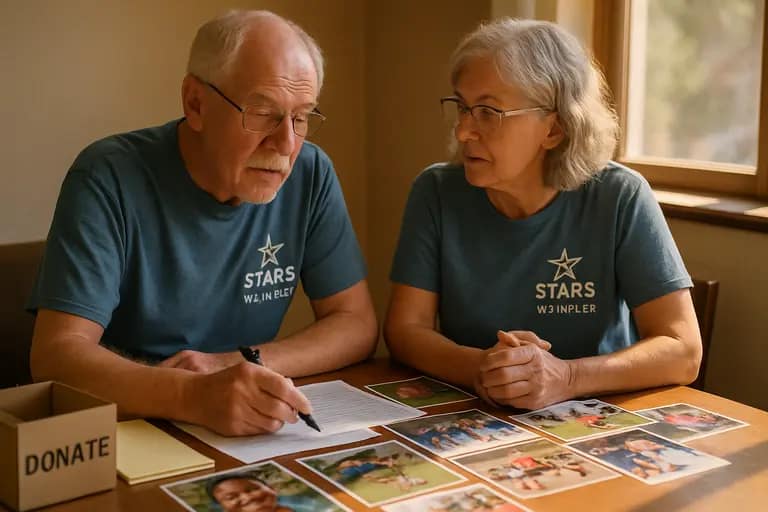
Family Attachment Builds Consistency
The after-school side of the program also showed its value through a parent’s voice. At the May 5, 2026 meeting, a parent of four boys said the children looked forward to attending the after-school program every day, often more than school parent comments. That comment says a great deal about consistency. Children return to spaces where they feel known, active, and safe enough to be themselves.
The parent story matters because STARS Camp is not framed only as a summer activity. It connects with an after-school model that was described as being launched under five years before the May 2026 council meeting. That year-round connection can help families keep children engaged beyond a single camp session. It also gives staff more time to reinforce sportsmanship, effort, respectful behavior, and group responsibility.
Garland’s example also fits a wider community pattern: sports camps can teach leadership and character when adults use play as a platform for responsibility. For readers interested in that broader youth-development angle, our related piece on sports camps teaching leadership and character connects naturally with what Garland families described.
Public Support Turns Into Youth Opportunity
The Surf & Swim turnout showed that youth recreation can bring many parts of a city together. Families attended, vendors participated, and donations moved into direct camp access. That chain is worth protecting. A fundraiser is strongest when residents can see where the support goes, and in Garland’s case, the city report tied the May event to the August 6 donation and to more than 100 children served.
For coaches, recreation staff, and community advocates, the lesson is clear: funding is not separate from player development. A child cannot gain camp confidence, make new friends, or learn from a guest speaker if cost keeps that child away. Community giving becomes part of the player pathway because it creates the first chance to participate.
Why STARS Camp Matters For Garland Youth
A Local Model Worth Paying Attention To
STARS Camp matters because its recent success connected fundraising, recreation, and youth development in a way families could see. The May 16 fundraiser did more than host a fun day at Surf & Swim. It helped turn public support into access for children who needed help getting into a structured recreation setting.
The strongest part of the Garland story is that the impact is both practical and personal. Practically, $5,200 helped open seats for more than 100 children. Personally, the May 5 council meeting included a former camper’s account of growing from shyness into community engagement and a parent’s account of children eager to return after school. Those stories are different, but they point in the same direction: sports and recreation can help young people feel capable, connected, and seen.
For Garland, the fundraising success offers a hopeful local blueprint. Keep families close to the program. Keep access at the center. Keep recreation connected to learning, health, and confidence. When a city treats youth sports as community care, children get more than a place to play; they get a place to grow.