
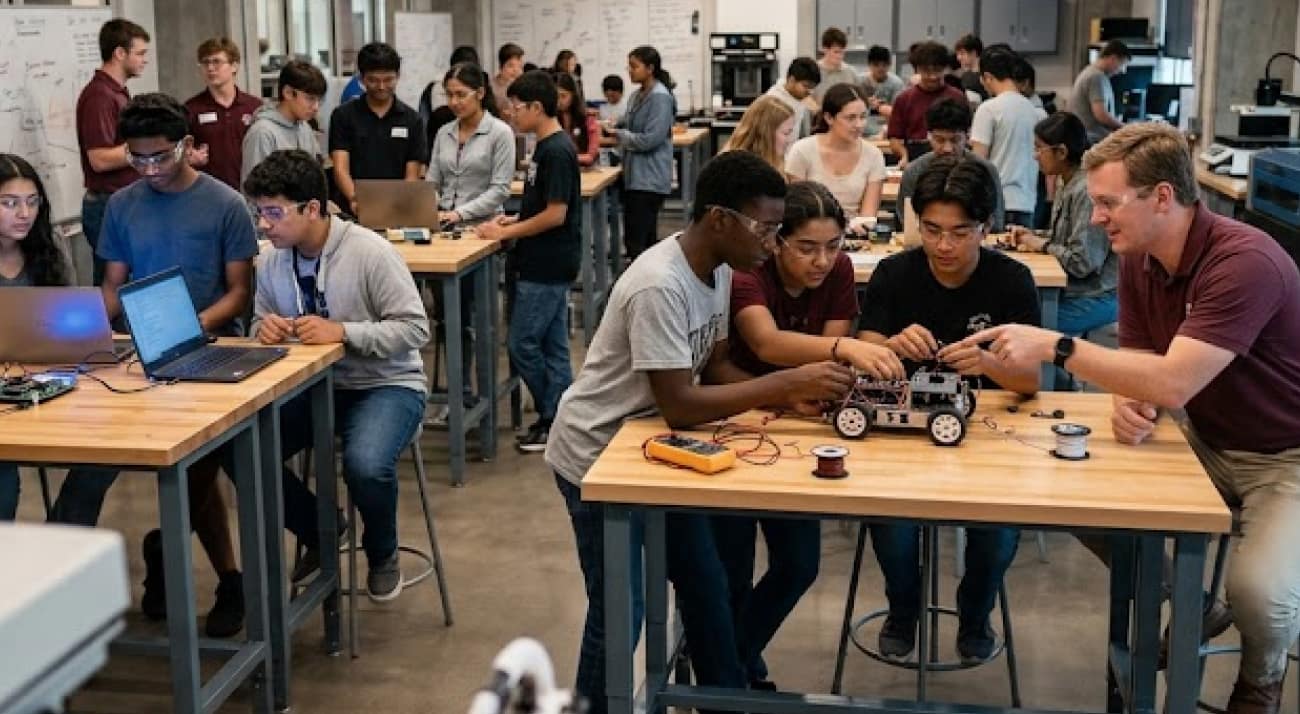
Texas A&M University is strengthening its commitment to preparing the next generation of innovators by expanding engineering outreach opportunities designed to introduce younger students to science, technology, engineering, and mathematics (STEM) careers.
Through hands-on learning experiences, mentorship opportunities, summer programs, and partnerships with schools and communities, Texas A&M is helping students discover how engineering concepts connect to real-world challenges.
The expansion reflects a growing effort across Texas to increase access to STEM education and create stronger pathways between K–12 classrooms, higher education institutions, and future industries.
As technology continues transforming fields such as energy, healthcare, aerospace, manufacturing, and artificial intelligence, early exposure to STEM careers has become increasingly important for preparing students for the workforce of tomorrow.
Texas A&M Builds Early Interest In Engineering Careers
Engineering education often begins long before students enter college.
Texas A&M’s outreach initiatives focus on creating opportunities where elementary, middle, and high school students can explore engineering concepts through interactive activities rather than traditional classroom instruction alone.
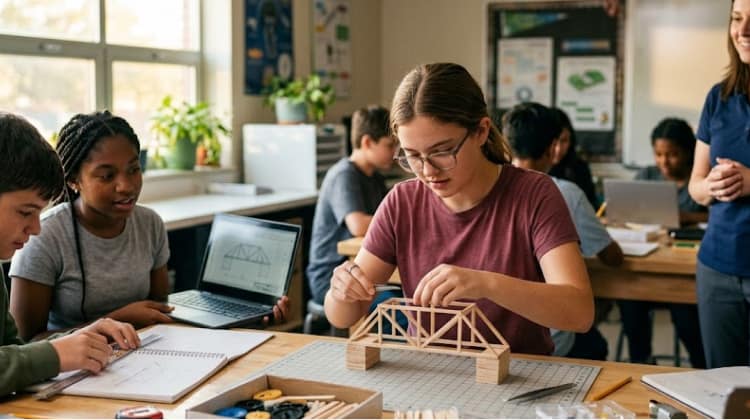
Programs connected to the university’s College of Engineering introduce students to areas including robotics, computer science, aerospace engineering, environmental solutions, biomedical engineering, and advanced manufacturing.
These experiences allow students to see how engineering affects everyday life, from designing sustainable infrastructure to developing technologies that improve communities.
The goal is not only to teach technical skills but also to encourage curiosity, creativity, teamwork, and problem-solving.
Students who participate in STEM outreach programs often gain a clearer understanding of possible career paths while developing confidence in subjects that can sometimes appear challenging.
Families searching for additional educational opportunities can also explore our coverage of Texas STEM education programs for more examples of initiatives helping students prepare for future careers.
Hands-On Learning Creates Stronger STEM Connections
One of the most important elements of Texas A&M’s engineering outreach strategy is experiential learning.
Instead of simply explaining engineering principles, outreach programs allow students to build, test, analyze, and improve projects.
A student participating in a robotics challenge, for example, is not only learning about programming or mechanical systems. They are also practicing collaboration, decision-making, communication, and persistence.
These skills are essential across nearly every modern career field.
The National Science Foundation has emphasized the importance of STEM education initiatives that strengthen innovation capacity and prepare students for future scientific and technological challenges.
Hands-on learning also helps students understand that engineering is not limited to a single profession.
Aerospace engineers design aircraft and spacecraft. Civil engineers create transportation systems and sustainable structures. Biomedical engineers develop medical technologies. Computer engineers build digital systems that power modern industries.
By exposing students to multiple possibilities, outreach programs help young people connect their interests with meaningful career opportunities.
University Partnerships Strengthen STEM Access Across Texas
Texas A&M’s outreach efforts extend beyond the university campus through collaborations with schools, educators, community organizations, and industry partners.
These partnerships are important because STEM opportunities are not equally accessible for every student.
By working directly with communities, universities can help provide resources, mentorship, and educational experiences to students who may have limited exposure to engineering careers.
School partnerships also allow educators to incorporate real-world examples into classroom learning.
Teachers can connect mathematics and science lessons to practical applications, helping students understand why these subjects matter.
| Outreach Component | Student Benefit |
|---|---|
| Engineering Workshops | Practical STEM experience |
| University Mentorship | Career guidance and inspiration |
| Robotics Activities | Problem-solving skills |
| Industry Partnerships | Exposure to future careers |
These collaborations create stronger connections between education and workforce development.
Students begin seeing higher education not as a distant goal but as an achievable pathway supported by mentors and community networks.
Preparing Students For Texas’ Growing Technology Workforce
Texas has become one of the nation’s leading hubs for technology, energy innovation, manufacturing, and engineering industries.
The demand for skilled workers continues increasing as companies expand operations across the state.
Industries such as semiconductor manufacturing, renewable energy, aerospace, cybersecurity, and artificial intelligence require employees with strong technical backgrounds.
Programs that introduce students to STEM careers at an early age help create a pipeline of future professionals who can support economic growth.
The connection between education and workforce needs is becoming increasingly important.
Students who develop STEM skills in middle and high school often enter college with stronger preparation and a better understanding of career options.
Texas A&M’s outreach programs contribute to this workforce pipeline by helping students recognize engineering as a realistic and rewarding career choice.
Mentorship Helps Students See Themselves As Future Engineers
Beyond technical skills, mentorship plays a significant role in STEM education.
Many students need encouragement from educators, professionals, and college students who can demonstrate that success in engineering is achievable.
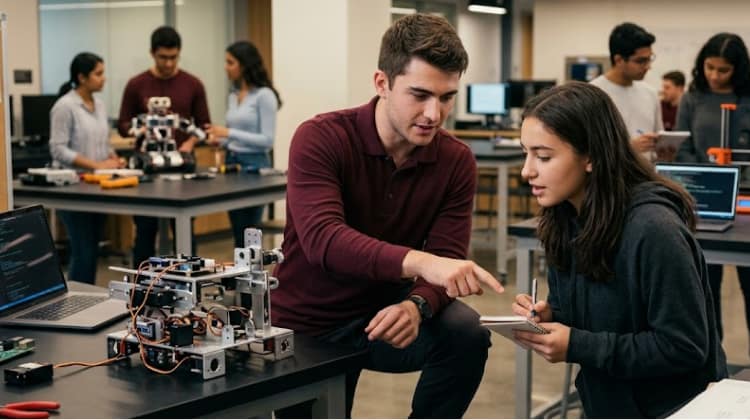
Texas A&M students and faculty members often serve as mentors during outreach activities, sharing personal experiences and answering questions about college life and engineering careers.
These interactions provide students with examples of professionals who once faced similar academic challenges.
Representation and access to mentors can be especially important for students who may not have family members working in STEM fields.
Seeing someone with similar experiences succeed can change how students view their own possibilities.
The U.S. Department of Education has highlighted the importance of expanding access to high-quality STEM education and supporting pathways that encourage students from diverse backgrounds to pursue advanced learning opportunities.
STEM Programs Support Innovation Beyond The Classroom
The impact of engineering outreach extends beyond academic preparation.
Students participating in STEM programs learn how innovation can address real challenges affecting communities.
Projects may involve designing environmentally responsible solutions, improving accessibility technologies, creating digital tools, or developing systems that improve daily life.
This approach helps students understand that engineering is ultimately about serving people.
A successful engineer must combine technical knowledge with creativity, communication, and an understanding of community needs.
| STEM Skill | Real-World Application |
|---|---|
| Coding | Software development and automation |
| Design Thinking | Creating practical solutions |
| Data Analysis | Improving decision-making |
| Engineering Principles | Building safer technologies |
These abilities prepare students for a future where innovation and collaboration will continue shaping society.
Expanding Opportunities For The Next Generation Of Innovators
Texas A&M’s continued investment in engineering outreach reflects a broader commitment to ensuring more students have access to STEM opportunities.
By connecting young learners with university resources, professional mentors, and hands-on experiences, these initiatives help remove barriers between students and future careers.
The importance of STEM education will continue growing as technology reshapes industries and creates new opportunities.
Students who begin exploring engineering early are more likely to develop the confidence and skills needed to pursue advanced education and contribute to innovation.
Texas A&M’s outreach programs demonstrate how universities can play a critical role in preparing future generations while strengthening connections between education, communities, and industry.
Through mentorship, collaboration, and practical learning experiences, young Texans are gaining the tools needed to become tomorrow’s engineers, researchers, entrepreneurs, and problem-solvers.