
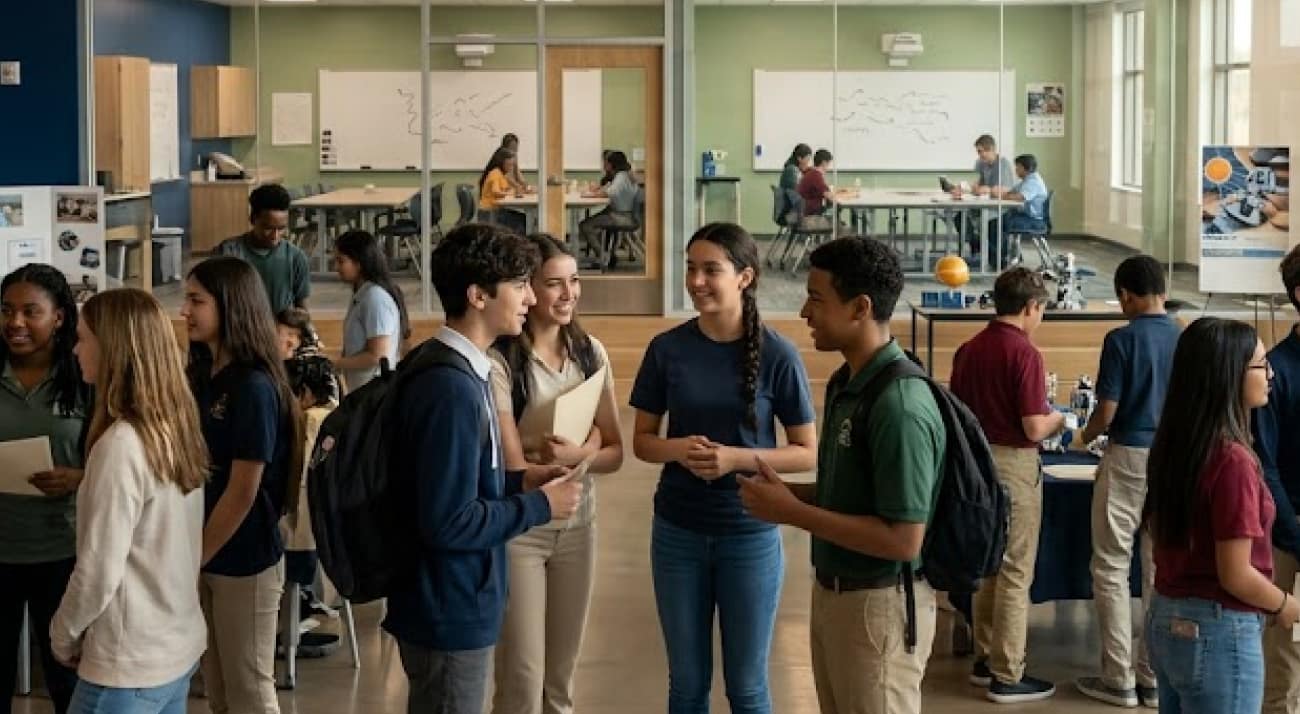
Across Texas, students are demonstrating that leadership is not defined only by academic achievement, athletic success, or future career goals. Many young people are creating meaningful change through service projects, peer support, community initiatives, and acts of kindness that strengthen the places where they live and learn.
The Texas State Board of Education (SBOE) recently recognized the 2026 Student Heroes, honoring students from across the state who have demonstrated outstanding character, leadership, and commitment to improving their communities.
The annual recognition highlights young Texans who have gone beyond traditional expectations by supporting classmates, creating positive school environments, helping vulnerable populations, and developing projects that address real community needs.
The recognition reflects a broader movement across Texas education systems focused on developing students who are not only prepared academically but also equipped with the leadership skills, empathy, and civic responsibility needed to contribute to society.
Texas Student Heroes Represent A New Generation Of Leadership
The Student Heroes recognition program celebrates students who demonstrate leadership through action.
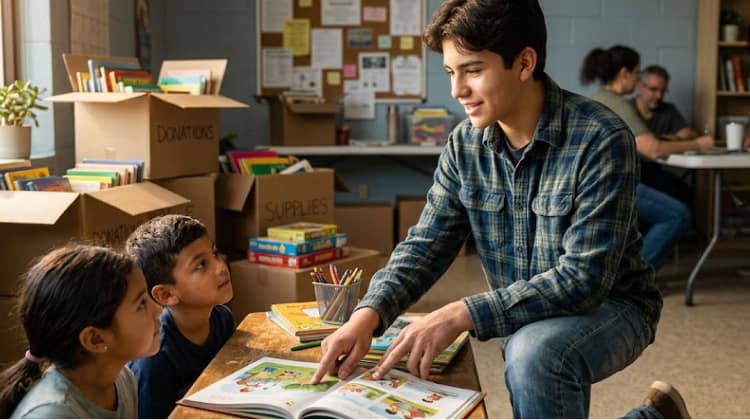
Rather than focusing exclusively on awards, grades, or traditional accomplishments, the program highlights the impact students create through everyday decisions and community involvement.
The 2026 honorees represented different regions of Texas and demonstrated leadership through activities such as mentoring younger students, supporting classmates with disabilities, organizing community service projects, promoting mental wellness awareness, and creating solutions to challenges within their schools.
These examples show how leadership development often begins before students enter college or the workforce.
Young people who participate in service opportunities gain valuable skills in communication, teamwork, problem-solving, and responsibility. These experiences help prepare them for future roles as professionals, community leaders, and engaged citizens.
Students looking for additional opportunities to develop these skills can also explore our coverage of Texas youth leadership programs that connect students with mentorship, service, and educational opportunities.
Service Projects Help Students Create Real Community Change
One of the strongest themes among the recognized Student Heroes is the connection between leadership and service.
Many students identified by the Texas State Board of Education used their time and talents to support others through school-based initiatives, nonprofit partnerships, and volunteer efforts.
Service-learning programs allow students to apply classroom knowledge to real-world situations while understanding the importance of community responsibility.
For example, students who organize food drives learn project management and collaboration. Those who mentor younger classmates develop communication skills and patience. Students who advocate for accessibility or inclusion learn how leadership can remove barriers and create stronger communities.
According to the Corporation for National and Community Service, youth volunteering and community engagement contribute to stronger civic participation while helping young people develop skills connected to future success.
These experiences demonstrate that leadership is not limited to holding official positions. A student who identifies a problem and works with others to solve it is already practicing meaningful leadership.
Schools Play A Critical Role In Developing Student Leaders
Texas schools serve as important environments where students discover their leadership potential.
Teachers, counselors, administrators, and community partners help create opportunities where young people can participate in student organizations, volunteer projects, academic programs, and peer leadership initiatives.
The recognition of Student Heroes also highlights the importance of educators who encourage students to take initiative.
Behind every student leader is often a network of adults who provide guidance, encouragement, and opportunities to grow.
Schools that prioritize leadership development create environments where students learn valuable lessons beyond academic subjects.
Skills such as collaboration, public speaking, conflict resolution, and decision-making become essential throughout life.
| Leadership Experience | Skills Developed |
|---|---|
| Community Service Projects | Teamwork, organization, responsibility |
| Peer Mentoring | Communication, empathy, guidance |
| Student Organizations | Collaboration, decision-making |
| Advocacy Initiatives | Problem-solving, civic awareness |
These skills support students throughout higher education, careers, and future community involvement.
Student Leadership Connects With Mental Wellness And Inclusion
Many of the 2026 Student Heroes were recognized for efforts connected to creating more supportive school environments.
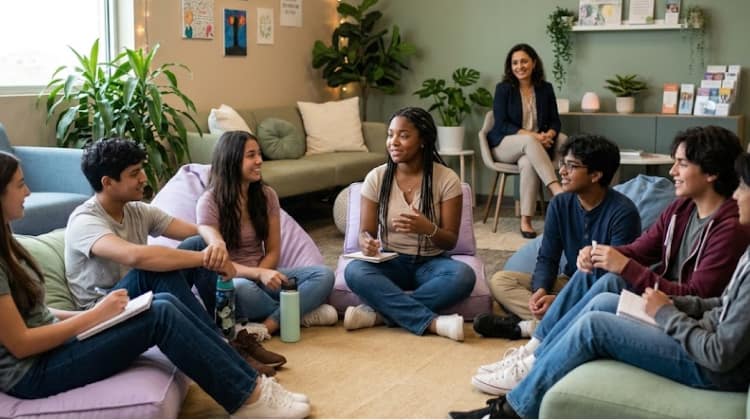
Student-led mental wellness initiatives have become increasingly important as schools across the country focus on improving emotional support systems for young people.
Students who encourage conversations about mental health, kindness, and inclusion help reduce stigma while creating stronger peer networks.
Leadership in this area requires empathy and awareness because students are often able to identify challenges affecting their classmates in ways adults may not immediately recognize.
Programs that encourage students to support one another complement professional counseling resources and school-based wellness efforts.
The Texas Education Agency continues supporting initiatives focused on student well-being, safe learning environments, and programs that help schools address the academic and emotional needs of students.
Recognizing students who contribute to positive school cultures reinforces the importance of compassion as a leadership quality.
Recognition Encourages More Students To Become Involved
Public recognition programs like the Student Heroes initiative serve an important purpose beyond celebrating individual achievements.
They show other students that leadership opportunities exist everywhere.
A student does not need a formal title or large platform to make an impact. Leadership can begin with helping classmates, volunteering locally, creating awareness campaigns, or supporting community improvement projects.
When young people see peers being recognized for service, it can encourage more students to participate in similar activities.
This creates a positive cycle where leadership becomes part of school culture rather than an activity limited to a small group of students.
Communities benefit when young people understand that their ideas and actions matter.
Community Partnerships Expand Opportunities For Young Leaders
Student leadership grows stronger when schools collaborate with families, nonprofits, businesses, and local organizations.
Community partnerships provide students with additional opportunities to practice leadership outside traditional classroom settings.
Local organizations often offer mentorship programs, internships, volunteer opportunities, and educational experiences that help students connect their interests with real-world impact.
These partnerships also introduce students to professionals who can provide guidance about future education and career pathways.
| Community Support | Student Opportunity |
|---|---|
| Nonprofit Partnerships | Volunteer and service experiences |
| Business Mentorship | Career exploration |
| Educational Programs | Academic enrichment |
| Civic Organizations | Community involvement |
These connections help students understand how different sectors work together to address community challenges.
Preparing Texas Students For Future Leadership Roles
The recognition of Texas Student Heroes reflects a larger investment in developing young people who are prepared to lead in an increasingly complex world.
Future leaders will need more than technical knowledge. They will need communication skills, creativity, adaptability, empathy, and the ability to work with people from different backgrounds.
Students recognized through programs like this demonstrate that these qualities are already developing throughout Texas schools and communities.
Their achievements provide examples for younger students while reinforcing the importance of creating environments where leadership can grow.
By recognizing service, responsibility, and community impact, Texas highlights a vision of education that prepares students not only for academic success but also for meaningful participation in society.
The stories of these Student Heroes show that leadership begins with action. Whether through mentoring classmates, supporting community initiatives, or creating solutions to local challenges, young Texans are proving that age is not a limitation when it comes to making a difference.