

Soccer continues to gain momentum across the United States, creating new pathways for young people to develop leadership skills, build confidence, and strengthen connections within their communities. The summer of 2026 stands out as a particularly significant period for youth soccer. Interest in the sport is reaching new levels as communities prepare for major international competitions, local organizations expand programming, and national initiatives focus on reducing barriers to participation.
Recent findings from the Aspen Institute’s State of Soccer report, released in partnership with Boys & Girls Clubs of America, highlight both the opportunities and challenges facing youth soccer. Participation demand remains strong, yet many families still encounter obstacles related to cost, transportation, field access, and equipment. At the same time, community organizations across the country are investing resources to make the sport more accessible for young athletes from all backgrounds.
These efforts are creating more than additional playing opportunities. They are opening doors to personal growth, leadership development, and lifelong skills that extend far beyond the field.
Why Soccer Participation Continues to Grow
The growing popularity of soccer reflects changing demographics, increased visibility of professional leagues, and greater awareness of the sport’s developmental benefits. Youth organizations have recognized that soccer provides an accessible entry point for physical activity, teamwork, and social engagement.
In June 2026, Boys & Girls Clubs of America highlighted research showing that demand for youth soccer programming continues to increase nationwide. Their work with community partners focuses on making participation more attainable for families who have traditionally faced barriers to organized sports.
The sport’s appeal extends across geographic, cultural, and economic boundaries. A ball and open space can introduce children to the fundamentals of teamwork and competition, making soccer one of the most widely played sports globally.
The continued investment in community-based programs reflects a broader understanding that sports can serve as valuable tools for youth development. Research shared through the Aspen Institute Project Play has consistently emphasized the connection between quality sports experiences and positive youth outcomes.
Access Remains a Challenge for Many Families
Interest in soccer may be growing, yet participation opportunities are not distributed equally. Registration fees, travel costs, equipment expenses, and transportation challenges still prevent many young people from participating in organized programs.
The State of Soccer report identified affordability as one of the most common concerns among families seeking access to youth sports opportunities. Community leaders and nonprofit organizations are responding by creating scholarship programs, providing equipment assistance, and expanding local recreational leagues.

The impact of these efforts becomes clear when examining participation trends.
| Barrier to Participation | Impact on Youth Athletes | Community Response |
|---|---|---|
| Registration costs | Reduced enrollment | Scholarship programs |
| Equipment expenses | Delayed participation | Equipment donation drives |
| Transportation limitations | Missed practices and games | Community transportation support |
| Limited field access | Fewer opportunities to play | Public-private facility partnerships |
Reducing these barriers allows more children to experience the benefits that organized sports can provide. Access to quality programs often creates opportunities for mentorship, academic support, and character development that extend well beyond athletic performance.
Community Organizations Are Expanding Opportunities
Many of the most promising developments in youth soccer are taking place at the local level. Community organizations are working closely with schools, municipalities, and nonprofit partners to increase participation opportunities.
Across the United States, Boys & Girls Clubs are expanding soccer programming to reach more young people during summer months. These programs frequently combine athletic instruction with leadership activities, academic support, and mentorship opportunities.
The focus extends beyond competition. Program leaders increasingly emphasize personal growth, teamwork, communication skills, and goal setting.
Organizations committed to sports leadership programs understand that positive athletic experiences can shape future leaders. Young athletes learn how to work within diverse teams, manage setbacks, and communicate effectively under pressure.
Communities that invest in accessible sports opportunities often see benefits extending throughout neighborhoods. Parents become more engaged, volunteer participation increases, and local partnerships strengthen support systems for young people.
The Summer of Soccer Is Inspiring Future Leaders
The excitement surrounding soccer in 2026 reaches far beyond local leagues. International competitions and major soccer events hosted in North America are generating unprecedented visibility for the sport.
Young athletes are watching professional players compete on some of the world’s biggest stages. These moments provide more than entertainment. They create opportunities for young people to identify positive role models, set personal goals, and imagine new possibilities for themselves.
Leadership development often begins through small experiences. Team captains learn accountability. Players discover how to support teammates during difficult moments. Coaches encourage responsibility and commitment. Parents reinforce lessons learned through competition.
The developmental impact becomes especially meaningful when programs intentionally connect sports participation with broader life skills.
A growing number of youth organizations are using soccer as a platform to teach:
- Communication and teamwork
- Goal setting and personal responsibility
- Leadership and service
- Respect and sportsmanship
These lessons continue to benefit young people long after a season ends.
Data Shows the Value of Quality Sports Experiences
Participation alone does not guarantee positive outcomes. The quality of the experience matters significantly.
Studies from the U.S. Soccer Foundation have demonstrated that well-structured youth sports environments can contribute to improved physical health, stronger social connections, and greater confidence among participants.
Programs that emphasize inclusion, positive coaching, and developmental goals tend to produce stronger long-term benefits than those focused exclusively on competitive outcomes.
The distinction is important. Youth sports programs that prioritize personal growth create environments where children feel supported and motivated to continue participating.
| Development Area | Potential Benefit |
| Physical Health | Increased activity levels and fitness |
| Social Skills | Stronger communication and teamwork |
| Confidence | Greater self-belief and resilience |
| Leadership | Improved decision-making and accountability |
| Community Engagement | Stronger connections with peers and mentors |
These outcomes help explain why communities continue investing in youth sports initiatives even when resources are limited.
Building Stronger Communities Through Soccer
The conversation surrounding youth soccer often centers on athletes, yet the broader community impact deserves equal attention.
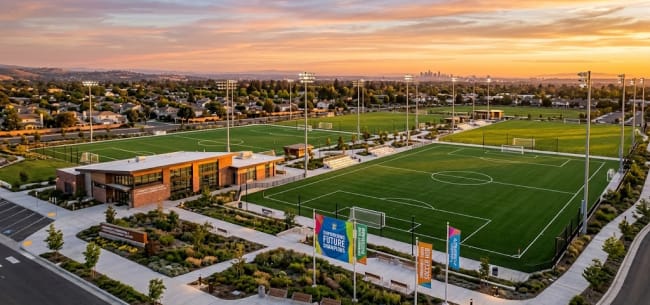
Every successful youth sports program relies on coaches, volunteers, parents, local organizations, and community leaders working together. Soccer fields become gathering places where families build relationships and neighborhoods strengthen social connections.
Many organizations use summer programming to introduce children to sports who may not have previously participated. These experiences often become entry points for deeper involvement in community activities, mentoring programs, and educational initiatives.
The growth of soccer across the United States presents a unique opportunity to connect young people with positive influences during critical stages of development. Programs that prioritize accessibility help create environments where every child has the chance to participate, learn, and grow.
As communities continue expanding access to youth sports, soccer serves as a powerful reminder that participation extends far beyond the final score. Every practice, every game, and every lesson learned on the field contributes to the development of stronger, more confident young people prepared to make meaningful contributions in their schools, families, and communities.