Forget the wellness industry’s glossy playbook about optimizing macros. We’re dealing with a much more brutal calculus here: whether a kid has enough fuel to simply get through the school day.
The concept of “healthy eating” becomes a cruel joke in food deserts. A fresh apple is as mythical as a unicorn. Budgets are stretched thinner than a yoga pant, and family schedules make a Twitter feed look calm. This isn’t about personal choice. It’s about structural ghosts in the machine.
Energy mismatches aren’t failures of will. They’re design flaws. Think shift work that obliterates meal timing, or caregiving that leaves no time for prep. The disparities are embedded in social determinants like poverty and clustered disadvantage.
So, what happens to sports nutrition in this landscape? The basic principles—consistent energy, proper recovery—become inaccessible luxuries. This lack of access doesn’t just sabotage a game. It sabotages you can’t be what you can’t eat.
Low-Cost Snack Programs and Grants
Forget the soaring mission statements for a moment. The frontline of nutrition security is a cooler full of trail mix and a stack of reimbursement forms.
Let’s be clear. We’re talking about the bureaucratic alchemy of turning grants into granola bars. This isn’t about fancy wellness initiatives. It’s about the direct injection of available energy into a kid’s school day.
Why the focus on snacks specially? They are the tactical bridge over the hunger canyon that opens between lunch and the final bell. When federal lunch program usage is low, as the data shows, that gap becomes a crisis.
So, where’s the funding hiding? It’s often in community development grants, after-school program budgets, and state-level child nutrition waivers. The goal is operationalizing that funding into consistent access.
What does “nutrient-dense” look like on a tight budget? Think like a logistics expert, not a gourmet chef. Source 3 got it right: trail mix, fat-free Greek yogurt, fresh fruit. These are the workhorses.
The magic happens when you pair the right food with a sustainable system. It’s nutrition security in action: available, affordable, and promoting well-being one cleverly sourced apple at a time.
| Snack Option | Nutrient Density Score | Estimated Cost per Serving | Ease of Distribution |
|---|---|---|---|
| Whole-Grain Crackers & Cheese Stick | High (Protein, Calcium, Fiber) | $0.35 – $0.50 | Very High (Non-perishable packs) |
| Fresh Apple Slices (bulk) | High (Fiber, Vitamin C) | $0.25 – $0.40 | Medium (Requires prep/cooling) |
| Bulk Trail Mix Portions | Very High (Protein, Healthy Fats) | $0.30 – $0.45 | Very High (Pre-portioned bags) |
| Fat-Free Greek Yogurt Cup | Very High (Protein, Calcium) | $0.75 – $1.00 | Low (Requires refrigeration) |
| Granola Bar (Whole-Grain, Low-Sugar) | Medium (Fiber, Iron) | $0.20 – $0.35 | Very High (Non-perishable) |
The table isn’t just a menu. It’s a strategic blueprint. You balance cost against nutritional payoff and logistical simplicity. The most expensive option isn’t always the most effective in the field.
Starting a program means thinking in steps:
- Identify Funding Streams: Look beyond the obvious. Community wellness grants, local business sponsorships, and PTA funds can be seed money.
- Partner for Bulk: Food distributors, local farms, or wholesale clubs slash per-unit costs dramatically.
- Keep it Simple & Consistent: A reliable weekly snack, like the trail mix or crackers from our table, builds trust and meets the “consistent access” part of the definition.
- Track and Adapt: Which snacks disappear first? That’s your data point for engagement and preference.
This is the unglamorous backbone of equity. It’s not about a single meal. It’s about ensuring the energy to learn doesn’t dip because the cupboard at home—or in the bureaucracy—is bare. Once you’ve got the snack logistics mastered, the next frontier is keeping those hydrated, energized kids safe in the heat.
Hydration and Heat Safety
We often think water is always available for kids. But, this isn’t true, and it’s a big problem. Where can kids find water? Broken water fountains and forgotten bottles are common. This isn’t just about being thirsty. It’s about basic sports nutrition and fairness on hot playgrounds.
Water is key for our brains. It helps our bodies cool down and move nutrients around. Without enough water, our brains can’t focus or remember well. Even a little dehydration can mess with our minds. This is backed up by scientific studies on hydration and brain function.
For young athletes, drinking water is very important. They need to drink before, during, and after sports. Not doing so can lead to dizziness, cramps, and even heat illness.

Knowing and doing are two different things. Our bodies give us signs, but we need to act on them. We should teach others to notice these signs early.
| Sign of Trouble (Physiology) | What It Really Means | Simple, Equitable Fix |
|---|---|---|
| Headache or fatigue | The brain is literally shrinking slightly due to fluid loss, pulling away from the skull. | Station water coolers at field/ court entries. Make the first drink automatic. |
| Dark yellow urine | The body is conserving water, a clear sign you’re already behind. | Educate on the “clear or light lemonade” color goal. Make it a bathroom chart. |
| Crankiness or lack of focus | Cognitive decline is setting in. This isn’t a bad attitude; it’s a biological state. | Implement mandatory “water break” whistles every 20 minutes during activity. |
| Muscle cramps | Electrolyte imbalance and dehydration are disrupting nerve signals. | Offer low-cost, high-potassium snacks like bananas post-activity alongside water. |
To make hydration cool, we need to make it easy to get. It’s not about fancy sports drinks. It’s about having clean, cold water available. Personalize bottles, have coaches drink water, and make it a team effort.
In conclusion, hydration is a simple yet powerful sports nutrition strategy. Making sure every kid has access to water is key. It’s not just about staying cool. It’s about making sure everyone starts on an equal footing.
Culturally Relevant Food Options
Culinary respect is not just a nice-to-have; it’s essential for solving food insecurity. Imagine giving a kid raw kale when their family loves jollof rice or pozole. That’s not help; it’s disrespect.
Many programs fail because they offer “healthy” food that tastes bad. They ignore a family’s food traditions. This turns meals into lectures, not meals.
Research shows that food choices are influenced by many factors. The environment and culture play big roles. Family and friends also shape what we think is good food.
For a poor family, this can be overwhelming. The help they get feels wrong. It makes them feel their traditions are not good enough. This is not fairness; it’s culinary imperialism.
To do better, we need to change. We should focus on making food that people enjoy. We should support the diverse food traditions in every community.
This means creating meals that are tasty and healthy. A taco with lean meat and veggies is good. So is a bowl of red beans and rice with less salt. These foods are familiar and nutritious.
The table below shows the difference between old ways and new ways. The results are clear.
| Program Dimension | Generic “Healthy” Approach | Culturally Relevant Approach | Impact on Food Insecurity |
|---|---|---|---|
| Menu Planning | Top-down, based on standard nutrition guidelines alone. | Collaborative, incorporating community food preferences and staples. | Increases adoption; food is actually consumed, not wasted. |
| Community Perception | Seen as an outsider’s intervention, charity with strings attached. | Viewed as respectful support, affirming cultural identity. | Reduces stigma, making families more likely to seek help. |
| Nutritional Outcome | Theoretical; food often rejected, leading to no nutritional gain. | Practical; improved intake through familiar, enjoyed foods. | Directly improves dietary quality, tackling the core of the issue. |
| Long-term Adoption | Low. Seen as a temporary, unpleasant necessity. | High. Builds trust and integrates into existing family practices. | Creates sustainable habits, not just one-off meals. |
| Resource Efficiency | High waste from uneaten food. | Low waste, higher value per dollar spent. | Stretches limited aid dollars further, helping more people. |
The fight against food insecurity needs empathy, not just science. When food feels like home, it does more than feed us. It makes us feel seen and valued. This is the key to dignity and the only way to win people’s hearts.
Family Education Workshops
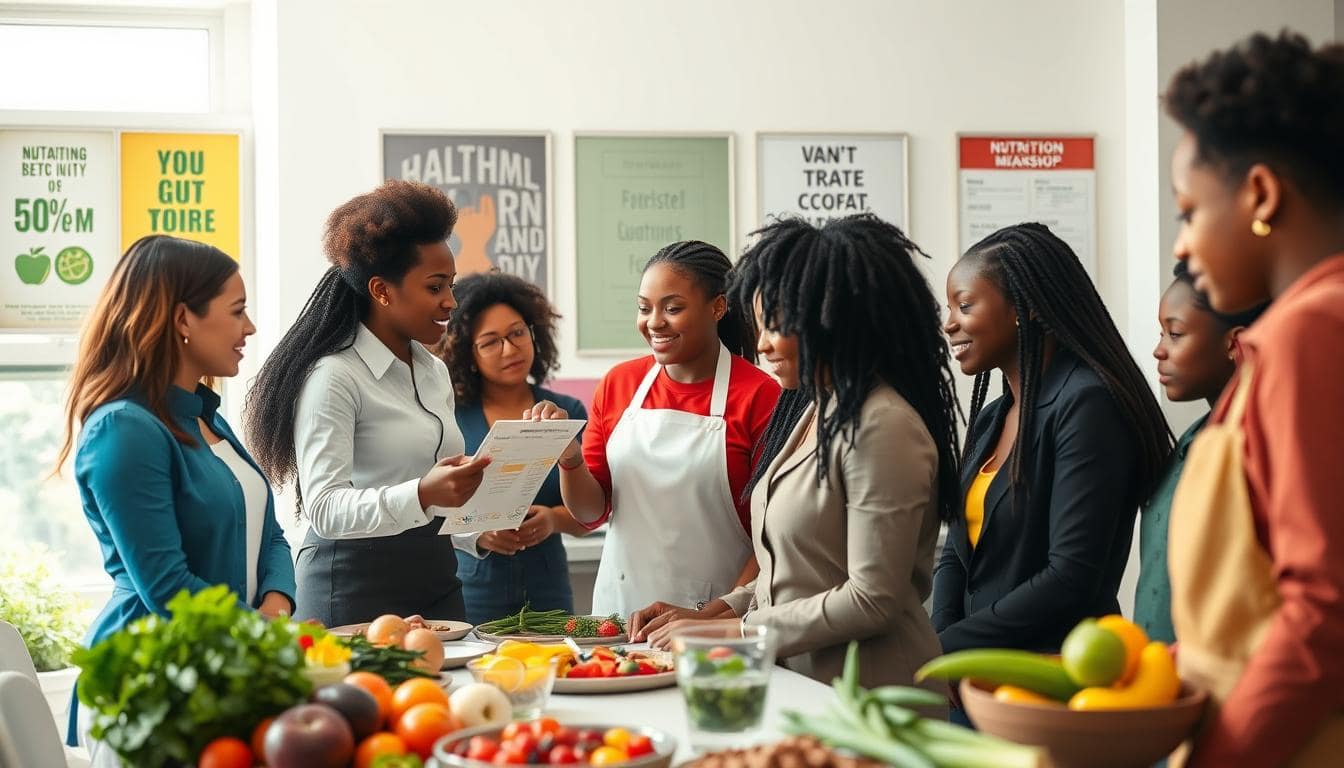
The real magic of a family education workshop isn’t in the PowerPoint slides. It’s in the collective sigh of relief when a budget-friendly hack clicks. We’ve all suffered through the condescending lecture from the nutritional priesthood. This is the antithesis.
Our model is a collaborative hack-a-thon. The goal isn’t to create nutrition experts. It’s to equip families with practical, no-BS strategies to win the daily food logistics battle. Think of it as community-based tactical nutrition.

How do you teach “protein distribution across meals” to a parent working two jobs? You workshop stretching a rotisserie chicken or a pot of lentils. How do you combat the infamous “hangry” afternoon crash? You brainstorm 3-ingredient snack ideas that beat a bag of chips. The science of energy availability gets translated into the lived language of tight schedules and kid-approved tastes.
We integrate concepts like mindful eating—turning off screens to focus on eating slowly and recognizing true hunger cues. We drill into budget-friendly choices: buying oats, beans, and frozen vegetables in bulk. The facilitator’s role is protective, not prescriptive. They reinforce regular meals and smart snacking, and know when to refer to a qualified dietitian for deeper issues.
| Workshop Station | The “Hack” | The Why |
|---|---|---|
| Protein on a Dime | Transform one rotisserie chicken into 3 meals: sandwiches, soup, salad topping. | Ensures consistent protein intake for muscle repair and sustained energy without blowing the budget. |
| Snack Attack Solutions | Apple slices + peanut butter; yogurt + frozen berries; whole-grain crackers + cheese. | Provides quick, balanced afternoon snack solutions to prevent energy crashes and overeating at dinner. |
| The Mindful Minute | Five-minute family exercise: eat one snack in silence, noting texture and taste. | Builds awareness of fullness cues, reduces mindless eating, and improves digestion. |
This approach connects directly to broader collaborative community nutrition strategies. The outcome is tangible. Families leave not with a booklet of rules, but with a playbook. They gain confidence to turn their kitchen into a command center for affordable fueling. The ultimate win? Seeing that bag of chips lose its power to a simple, healthier snack everyone helped create.
Partnering with Food Banks
Think of a food bank as a strategic hub for community strength, not just a charity spot. Fighting hunger alone is a limited view. The real strength comes from building a network.
Let’s look at the facts. Food insecurity is more than just hunger. It affects health and costs a lot. People facing it use more healthcare and spend more on it.
Working with a food bank is not about getting leftovers. It’s about improving lives through better food distribution. You get steady access to food, and they get a reliable way to help their community.
This partnership is a win-win. You help reach communities that are hard to serve. It’s a fair deal where everyone benefits.
It’s important to match food with what people like to eat. Make sure they know how to use it. Giving out quinoa when everyone cooks with rice doesn’t help.
Let’s talk about changing from just giving food to building a strong partnership.
| Aspect | Traditional Food Bank Model | Strategic Partnership Model |
|---|---|---|
| Primary Goal | Emergency relief, volume distribution | Building long-term community food security |
| Relationship | Charity donor/recipient | Co-designing collaborators |
| Distribution | Centralized, one-size-fits-all | Hyper-local, trusted community channels |
| Cultural Relevance | Often an afterthought | A core design principle from the start |
| Impact Measurement | Pounds of food moved | Reduction in local food insecurity rates |
This isn’t just theory. Look at places like UIUC. They say, “We are here for you! If you are nutrition insecure, you can visit our campus options.” They’ve made the solution part of the community’s life.
The goal is to create a strong support network. One that can handle tough times. By partnering well, you’re not just feeding kids today. You’re making the community stronger for tomorrow.
Don’t see food insecurity as a solo problem. It’s a system failure that needs a networked fix. Your next partner is just a call away.
Evaluation of Attendance and Energy Outcomes
We’ve set up snacks, hydration stations, and menus that fit the culture. But the real question is, did it make a difference? Are we just giving kids food, or are we helping them stay focused and engaged?
Forget the nice stories. What matters is the data. Did snacks help reduce bad behavior in the afternoon? Did teaching kids about hydration stop them from getting too hot?
When kids don’t get enough energy, they can’t keep up. They recover slowly and feel like they’re working too hard. But with the right sports nutrition, they recover better and can handle more activity. This is key for their long-term health.
You don’t need a lab coat to check if it’s working. Look at attendance records. Ask coaches and teachers for their thoughts. Use simple surveys to see how kids feel. The numbers will show if your nutrition plan is effective.
Is focus better in tutoring? Are kids more energetic and consistent? The answers are in the data. Let’s measure the energy in their minds.